The Harm of Rubber Tree Monoculture and the Causes of Soil Erosion
The rubber tree is an economic tree, so many people plant this kind of tree, but you may not know that planting rubber trees can lead to soil erosion. Why is that? The reason is monoculture. So what other harms does rubber tree monoculture have?
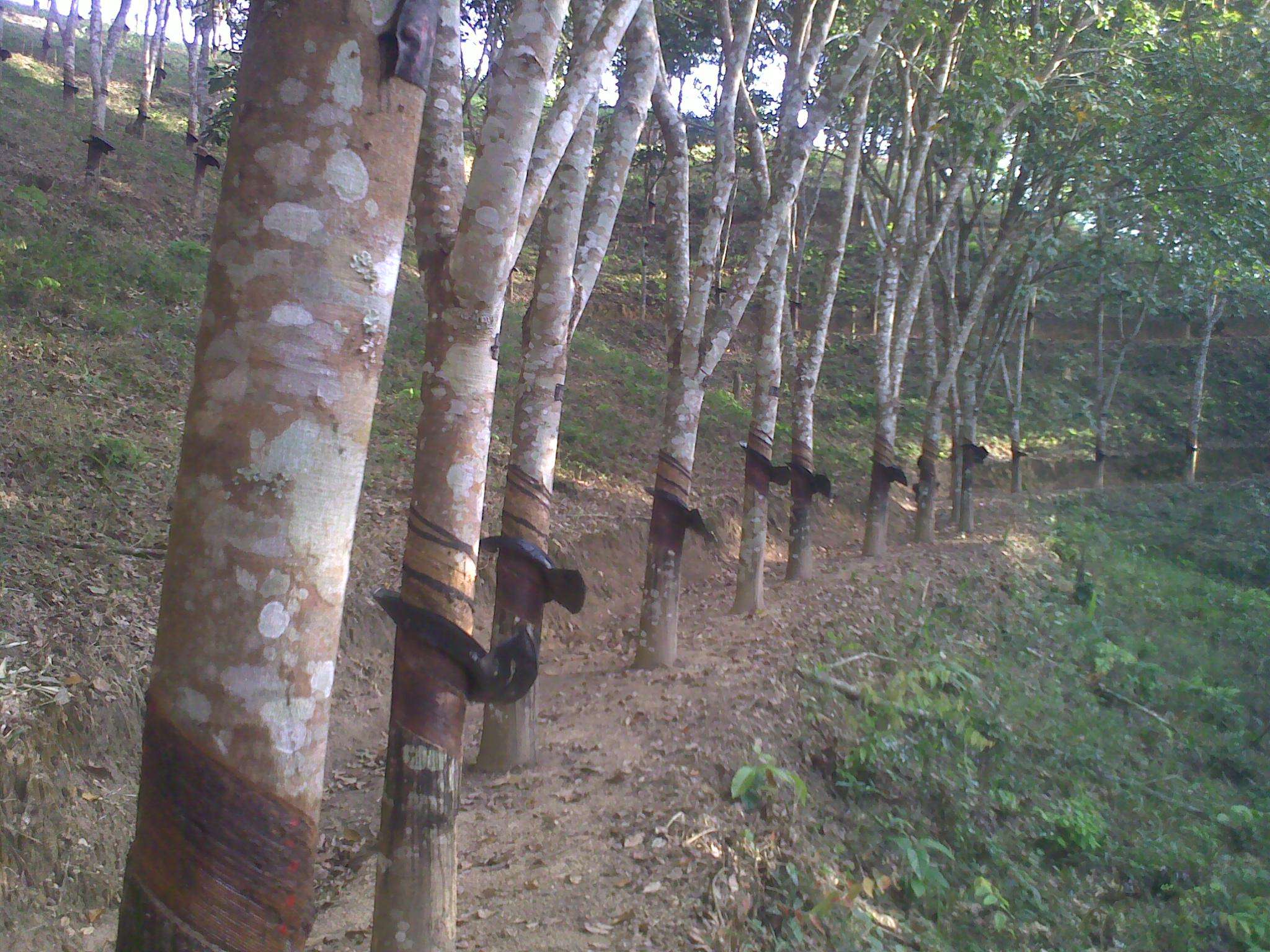
In addition to causing the disappearance of indigenous peoples' traditional land-use systems and reducing agricultural biodiversity, rubber monoculture also affects the pollination services for other crops. According to a 2012 study, rubber plantation development has also encroached on the habitats of the Asian elephant and the white-cheeked gibbon.
Rubber planting has also changed the local living environment. In terms of water resources, processing rubber requires the use of strong alkalis and acids; these chemicals seep into the ground, water and air, affecting the sustainable use of local water resources, causing soil erosion and water pollution, and worsening residents' quality of life. In the long term, rubber monoculture may cause the collapse of local ecosystem services related to water resources.
The purpose of the SURUMER project is to provide relevant knowledge and a decision-making basis for sustainable land management, and to provide forward-looking regional land-use action strategies and instruments for global climate change adaptation. The project's partner countries include China, Thailand, Laos and others, and the main research area is the rubber planting region in the upper Mekong River.
Sustainable land use encompasses many issues, such as the carbon dynamics of land use, water balance, water resources management, pollination services, agroecological diversity, human-wildlife conflict, economic assessment and knowledge transfer management. The project is carried out through multiple sub-projects to promote the transition of rubber planting in the region toward sustainable management.