-

Are Heartleaf Ice Plant and Andrographis paniculata the same plant? What is the difference between the two
The relationship between Heartleaf Ice Plant and Andrographis paniculata is not complicated. The reason some flower lovers cannot tell them apart is entirely due to confusion caused by common names, because in many places Heartleaf Ice Plant is called Andrographis paniculata, so flower lovers get very confused. This article simply lists the relationship between Heartleaf Ice Plant and Andrographis paniculata. Must-read first
-
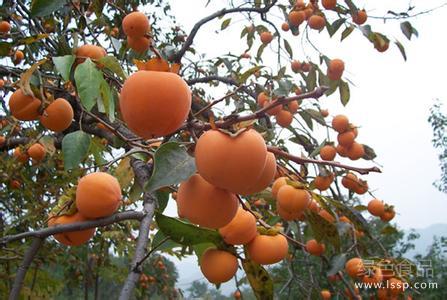
Three key points for winter pruning of persimmon trees, raising young trees and saving old trees at the same time
Raising young trees and saving old trees: three key points for winter pruning of persimmon trees
-
Are Boston fern and sword fern the same kind of fern?
Boston fern and sword fern are not the same kind of fern. The Boston fern has upright rhizomes and relatively ordinary fronds, and is a trailing foliage plant. The sword fern's fronds are covered with scales and made up of irregular leaflets, but its overall appearance is still similar to the Boston fern. The only biggest difference lies in
-
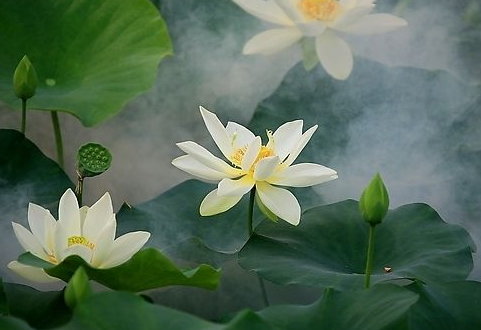
Are Lotus and Water Lily the Same Plant? An Analysis of Their Differences
Lotus and water lily are the same plant, mostly called lotus, which is also its earliest name, "On the mountain grows the mulberry, in the marsh blooms the lotus"
-
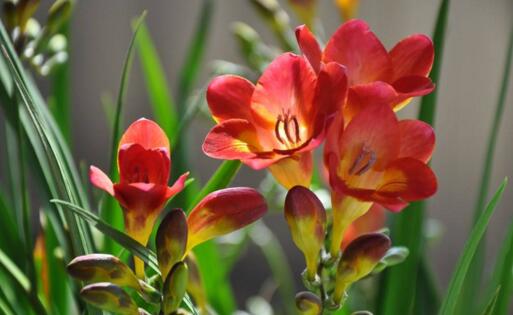
Are Freesia and Xiangxuelan the same plant, and what is the difference between the two
Freesia is one of the most popular ornamental flowering plants, and in the flower market, Xiangxuelan is also often mentioned by flower enthusiasts; in some places Xiangxuelan and Freesia look very similar, so what exactly is the difference between the two? What is the difference between Freesia and Xiangxuelan? Let us take you through it
-
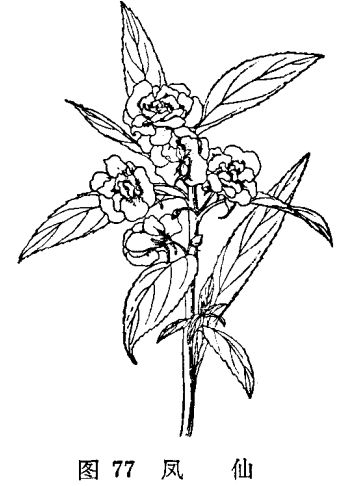
What are the three species of flowers in the same genus as Impatiens?
1. Impatiens balfourii Hook. (Balfour's impatiens): A perennial herb, 90 cm tall, much branched. Leaf margins have fine curved teeth, petioles lack glands. Flowers large, 6-8 clustered into racemes. Capsules erect, 2.5-4 cm long, smooth. Native to the western Himalayan region.
-
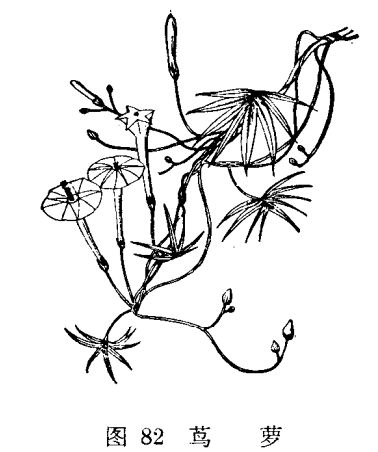
What are the two flowers in the same genus as cypress vine?
1. Cypress vine (Q. coccinea Moench), also known as orange-red cypress vine. Annual twining herb, up to 4 m long. Leaves alternate, ovate, entire, apex acute or acuminate, base cordate, petiole as long as the blade. Cymes axillary, with 3-6 flowers. Corolla salverform
-
New Cotton Cultivation Technique: Saving Labor and Increasing Yield at the Same Time
This technique is based on the cotton cultivation method in which cotton is not pruned or disbudded, but only the terminal bud and side buds are removed, also called the two-time topping cultivation method. On that basis, a more labor-saving one-time topping cultivation method has been introduced. It saves at least 70% of labor, while increasing yield by more than 8%, and cotton quality is basically on par with the traditional method. Its key techniques are as follows: 1. Select good varieties and keep the sowing date moderate. It is advisable to choose large-plant types with strong mid-season growth, with seed cotton yield per mu of no less than 350 kg and high-yielding varieties exceeding 500 kg. Usually, the Hua Kang III series, Qiufeng Large Boll series, and disease-resistant
-
Clever Fertilization in the Late Stage of Cotton: Disease Prevention and Yield Increase at the Same Time
In the late growth stage of cotton, the root system's ability to absorb nutrients declines noticeably, but if fertilizers such as nitrogen, phosphorus, potassium, zinc and boron are sprayed on the cotton leaves, they can prevent premature senescence, promote early maturity, prevent disease, prevent boll shedding and help set large bolls, with a significant yield-increasing effect. 1. Apply nitrogen fertilizer to prevent premature senescence: each time use 75-100 kg of 1% urea solution per mu, spray once every 5-7 days, for 2-3 consecutive sprays, which can enhance leaf photosynthesis and prevent premature senescence and increase yield. 2. Apply phosphorus fertilizer to promote early maturity: in the late stage of cotton, spraying phosphorus fertilizer on the leaves,
-
Detailed introduction to the sesame variety Hangzhi No. 1
Sesame is one of the main oilseed crops in China and a traditional specialty agricultural product. In recent years, the national sesame planting area has been 13-15 million mu, with a total output of about 1 million tons, ranking first in the world in both planting area and total output. Henan, Anhui, Hubei, and Jiangxi are the main sesame-producing provinces, with the total area of the four provinces accounting for more than 60% of the national total. Jiangsu, Hebei, Shaanxi, Shanxi, and other provinces also have a certain area, with a relatively wide distribution range. Sesame has two cross-provincial concentrated production areas: one is in northwestern Hubei and southwestern Henan,
条件筛选