Three key points for winter pruning of persimmon trees, raising young trees and saving old trees at the same time
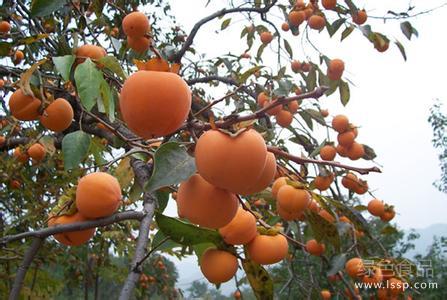
Persimmon tree
Winter pruning of persimmon trees helps young trees bear fruit early, keeps mature trees producing high and stable yields, and renews and rejuvenates aging trees. Winter pruning is generally carried out from after leaf fall to before bud break the following spring. Pruning should be adapted to the soil, tree vigor and pests and diseases, commonly known as the "three looks":
Look at the soil:For fertile planting sites with deep soil, prune lightly; for thin soil, prune heavily.
Look at tree age:For young persimmon trees, select suitable branches as the leaders of the scaffold branches, generally do not head them back, and thin out nearby weak and vigorous branches growing in the same direction; for the development and renewal of bearing branch groups, head back 1/3 of the bearing mother branches at a lower point with lateral buds, keeping them as to overcome the alternate bearing phenomenon; for aging trees, heavily renew the large branches (leaving stubs at the 5- to 7-year-old part) to stimulate new shoots and re-form the canopy.
Look at pests and diseases:For trees severely damaged by persimmon angular leaf spot and persimmon fruit borer with weakened vigor, prune heavily; otherwise prune lightly. Thin, weak lower branches, pest- and disease-dried branches, and crossing and overlapping branches should be thinned out from the base.