-
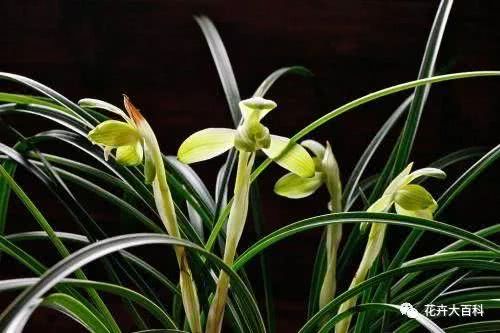
The three-step orchid root trimming method is easy to understand at a glance; orchids are actually not hard to grow
Those of you who have grown orchids surely know that orchids are not easy to grow; orchids are fussy things. No matter how you care for them, they stay the same as when you bought them, or even end up looking worse. Actually, growing orchids well is not that difficult; there are many reasons why they do poorly...
-
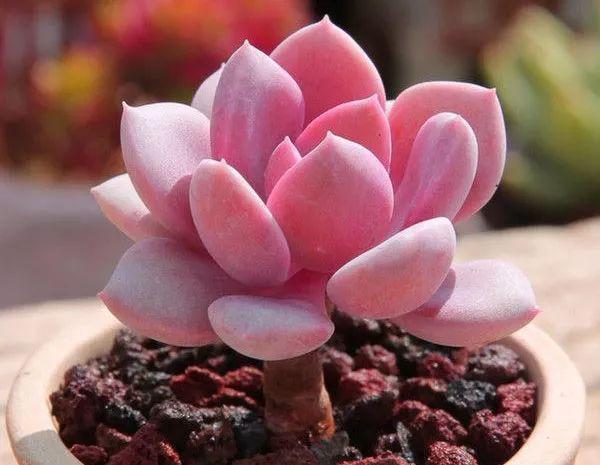
Watering Succulents Takes Know-How: Beginners Can Grow Them Well by Mastering the Method
Three keys to growing succulents: light, watering, ventilation. Every time these three points come up, everyone says, I know, I know, talk about something else! But the seemingly simpler the problem, the harder it may not be to actually do~ There are still many succulent growers who don't even know what water control is.
-
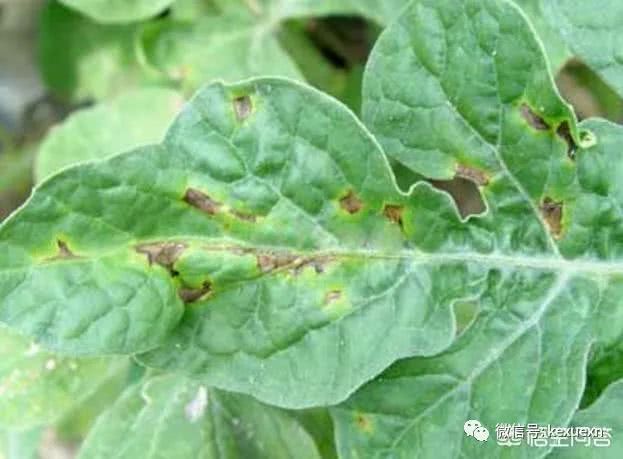
Grafted watermelons are prone to bacterial fruit blotch on rainy days; keep these control methods handy
Bacterial fruit blotch of watermelon is a disease with a high incidence rate at the seedling stage; symptoms begin to appear at the seedling stage, and at transplanting time, because of wounds and high field humidity, the disease is also difficult to control. After infection, symptoms can appear on watermelon leaves...
-
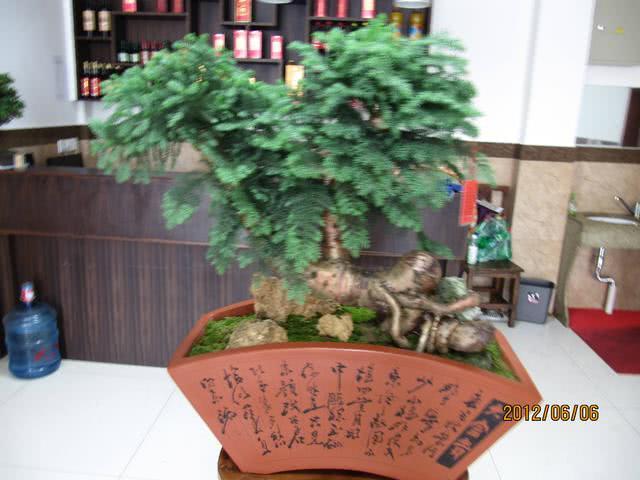
Characteristics of the Australian pine bonsai, cutting propagation techniques and care methods
The tenacious vitality of the Australian pine makes it suitable for mass propagation. Generally in summer, the seeds are first scarified, which helps germination, otherwise the seeds rot and die easily. After treatment, at a room temperature of around 26°C...
-

What are the cultivation methods and precautions for the banyan tree (Ficus microcarpa)?
Light: Plenty of light is best, and it should also receive some light in winter. Fertilizing: Apply decomposed fertilizer once a month during the growing period, but the amount must not be too much; generally no fertilizing is needed in summer and winter. Watering: Water it frequently to keep the potting soil sufficiently moist. Pruning: Prune appropriately in spring to increase light penetration and reduce the occurrence of pests.
-
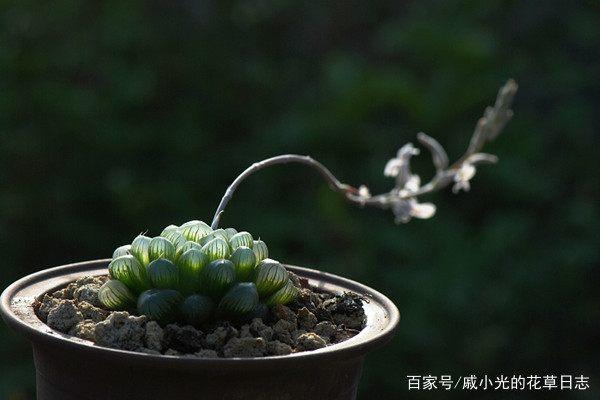
With proper year-round care, potted Haworthia cooperi (Haworthia cooperi) easily grows into a full, overflowing clump, and the watering and fertilizing method is simple yet has its finer points.
Potted Haworthia cooperi is the most common member of the Haworthia genus and a soft-leaved variety among succulents. It is extremely rich in species, with crystal-clear leaves whose bright windows look like living works of art, especially when viewed from a backlit angle...
-
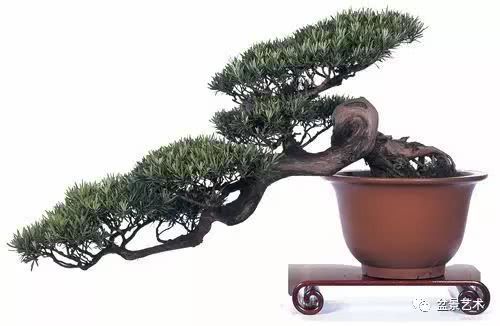
How to make a Podocarpus bonsai? A full breakdown of the detailed methods and steps
Podocarpus (Podocarpus macrophyllus) is an evergreen small tree of the Podocarpaceae family. It stays green all year round, has narrow long needles, deep green color, rugged branches and a long lifespan, and is a commonly used tree species for making bonsai. Among them, the Queshe podocarpus (Podocarpus macrophyllus 'Maki'), whose leaves grow only 2 cm long, has a graceful tree shape and is a valuable...
-
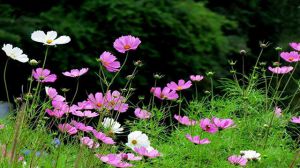
How to plant cosmos? A detailed guide to the planting method
If you want to plant cosmos, you first need to give it neutral to slightly acidic soil, then choose good seeds, after which you can simply scatter them on top of the soil. In about seven to ten days they will sprout, and when its leaves have grown out and the plant itself is about five cm tall, you can transplant it.
-
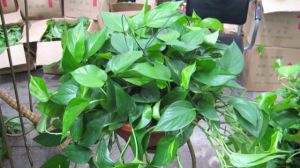
How to grow pothos? These care methods are simple and practical
Growing pothos requires relatively loose sandy loam soil, and it should be placed in a spot that is not easily reached by sunlight, and the temperature should not be too low; spray water moderately at the base of the roots, regularly prune the branches and leaves of the pothos, cutting off all the damaged branches and leaves, and of course, pay attention to proper fertilization.
-
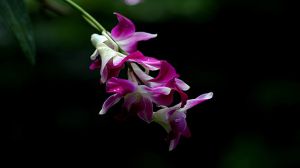
What are the cultivation methods and precautions for Dendrobium orchids?
Soil: To grow Dendrobium orchids, use loose, well-aerated soil. Humidity: It should be moist; when it is especially hot, spray water to increase humidity. Temperature: Normally 15-28°C, with a relatively large day-night temperature difference. Light: Semi-shade; it must not be exposed to direct strong light, and shade is usually needed. Fertilizing: Start fertilizing from the second year, applying a root fertilizer once each in April and November.
条件筛选