-
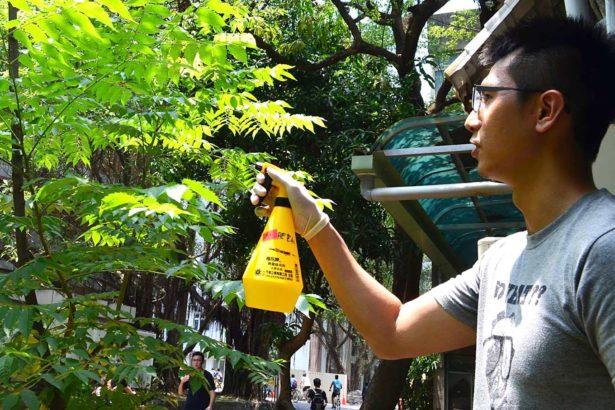
Spraying soapy water on the underside of litchi stink bug nymphs can effectively control them: method shared by a National Taiwan University research lab
Soapy water works wonders against litchi stink bug nymphs! A National Taiwan University research lab reveals the secret: aim at the underside and spray thoroughly
-

How to grow Haworthia cooperi? The correct cultivation methods and precautions for Haworthia
Haworthia cooperi of the genus Haworthia does not actually like environments with abundant light; instead, it has a particular fondness for cooler, semi-shaded environments. Its main growing seasons are still spring and autumn, but when we grow Haworthia cooperi, we still need to ensure the potting soil has a certain...
-
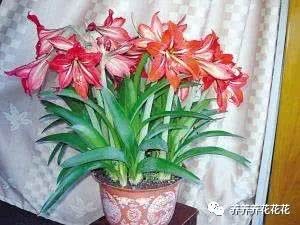
Amaryllis sends up a flower scape more than ten days after planting; only with the right fertilizing method can you grow it well
Xiao Qi teaches you how to grow flowers step by step. A flower friend asked: an amaryllis planted just over ten days ago has sent up a flower scape. What fertilizer should be used when an amaryllis sends up a flower scape? According to the description, it was just planted over ten days ago and then sent up a flower scape. I am certain that this bulb has...
-
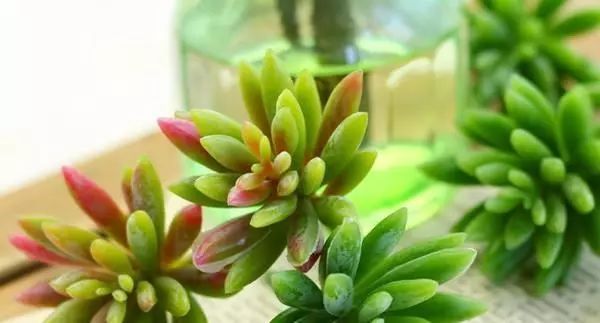
How to care for succulents during the May rainy season? Mastering the right method is key
Of course, if we want our succulents to get a little rain in May, then at the very least we need to let them get used to the local climate and environment beforehand, because some succulents that are leggy or sick have weaker resistance, so getting rained on will aggravate their infec...
-
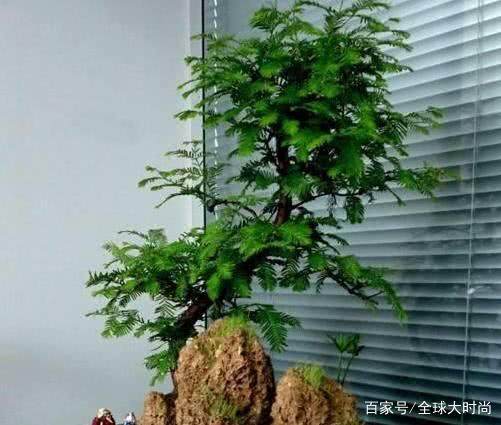
How to grow a dawn redwood bonsai? I'll teach you the cultivation methods so you can grow a bonsai that everyone praises.
Many people care about bonsai, but only care about its ungraceful drift, yet the environment is unhealthy; the beauty of a bonsai lies in its natural beauty. Because bonsai landscapes go from potted plant to pot, they are destined by heaven to grow in a very limited space, with nutrients...
-
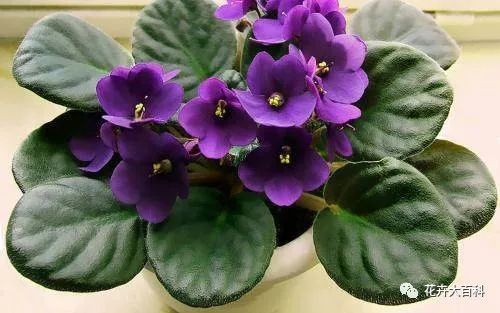
The potted violet growing method is simple and easy to understand, letting you easily create your own garden
The violet is a highly ornamental flower. Keeping a pot of violets indoors is not only attractive, but also purifies the air and even has a localized sterilizing effect. For potted violets, you should choose dwarf, double-flowered varieties. Below, let us take a look together...
-
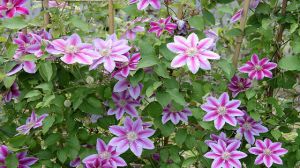
What are the cultivation methods and precautions for clematis?
To grow clematis, first provide well-drained, fertile, alkaline soil; water based on keeping the potting soil moist, without waterlogging; it needs full light, and direct sunlight is fine, though shade can be provided in summer; fertilizer is not needed in large amounts, with liquid fertilizer once every half month during the growing season. In addition, clematis wilt is relatively common and requires carbendazim. Pruning is needed in autumn and winter and during the flowering period.
-
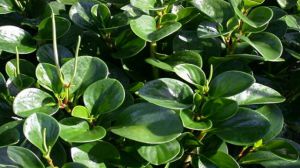
What are the cultivation methods and precautions for Peperomia (Peperomia obtusifolia)?
To grow Peperomia, provide loose, fertile, well-draining sandy soil; provide plenty of water, especially when the temperature is above 25°C; humidity should be maintained at 70%, and water should be sprayed more often when it is dry; the temperature is best kept between 20 and 30°C; and provide scattered light. Pay attention to pests and diseases at ordinary times. In addition, attention should also be paid to pruning.
-
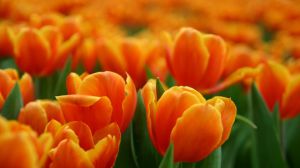
What are the cultivation methods and precautions for tulips?
Soil: To grow tulips, use loose, well-drained, slightly acidic soil. Sunlight: Insufficient light will cause poor growth, so take appropriate shading measures within 15 days after potting. Watering: Water moderately after planting, and reduce watering moderately after sprouts emerge. Fertilizing: You can choose decomposed garbage fertilizer or cake fertilizer.
-
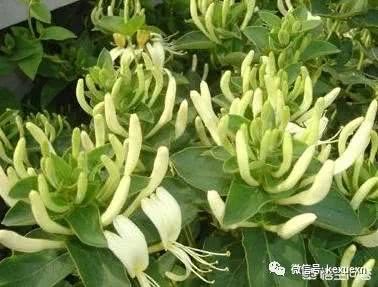
Honeysuckle can also be grown in pots; master the planting method and growing a pot is easy
Gardening friends all know that honeysuckle is a Chinese herbal medicine, a good remedy for clearing heat and reducing internal fire. Growing a few at home also lets you steep them in water to drink, very practical. There is a saying among village farmers: "Waterlogging kills the crops, drought kills the grass, freezing kills the pomegranate, sunburn damages the melon, but none of it affects honey...
条件筛选