-
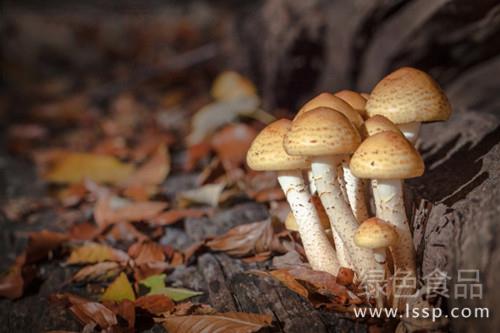
Control methods for the three pests and one disease of mushrooms: mites, springtails, mushroom gnats, and harmful Mycogone perniciosa
Control method for the three pests and one disease of mushrooms: mites, springtails, mushroom gnats, and harmful Mycogone perniciosa
-
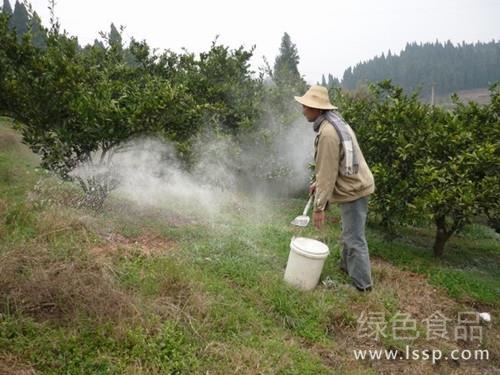
Citrus freeze damage can range from reduced yield in mild cases to tree death in severe cases. How can the harm be reduced?
Freeze damage can range from reduced yield in mild cases to tree death in severe cases. How can the severity of citrus freeze damage be reduced?
-

Immortal Raft Pine Bonsai Image Appreciation: Experience the Charm of Bonsai Art
The natural tree root is carved into the shape of a raft boat, with a painted clay sculpture of waves as its base beneath the raft; holes are left in the waves to insert ivory-carved lotus flowers, lotus leaves, and lotus seed pods. At the head of the raft sits a gilt-bronze four-lobed mallow-petal champlevé enamel basin, planted with a small tourmaline peach tree. In the middle of the raft sits an elderly figure carved from stained ivory, with a long beard reaching his chest, one hand resting on his knee
-
What are the harmful symptoms of peanut brown spot? Detailed control methods
Peanut brown spot is a fungal disease caused by infection with Cercospora arachidicola of the subphylum Deuteromycotina. It harms peanut leaves, initially appearing as small chlorotic spots, which later expand into nearly round or irregular small spots. The lesions are larger and lighter in color than those of black spot disease, appearing dark brown or tea-brown on the upper leaf surface and brown or yellowish-brown on the underside, with a bright yellow halo around the lesions.
-

Mint attracts pests in summer? Try these homemade, harmless and practical pest control methods
The hot summer has arrived, and all kinds of mosquitoes and insects have come out. Many people like to grow mint at home. The fresh and eye-pleasing mint has finally grown enough to make tea, but it easily attracts pests. So what can be done? Let me offer some tips and teach everyone how to solve the trouble of mint pests, so you can brew fresh and sweet mint tea.
-
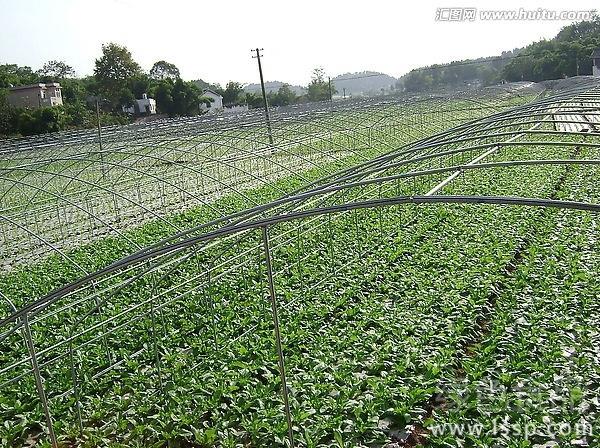
The Harm of Continuous Rainy Weather to Greenhouse Vegetables and Prevention and Control Measures
The Harm of Continuous Rainy Weather to Greenhouse Vegetables and Prevention and Control Measures
-
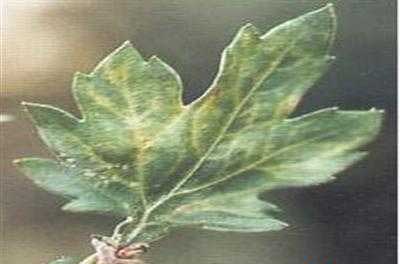
What are the harmful symptoms of chrysanthemum virus disease?
Viral disease is an important disease in chrysanthemum cultivation, with a wide distribution range. It occurs throughout China. Chrysanthemum viral diseases include chrysanthemum infertility virus, chrysanthemum mosaic disease, chrysanthemum malformation disease, and others. 1. Chrysanthemum infertility virus disease, whose pathogen is Tomato aspermy virus
-
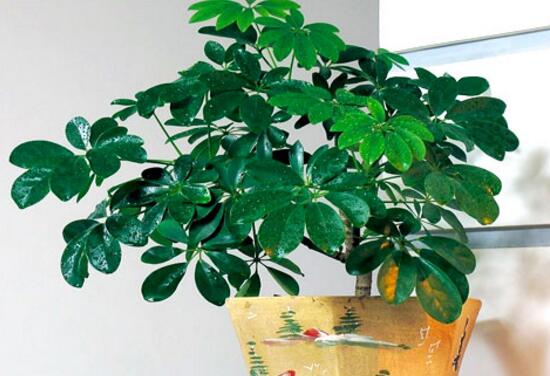
Why is my Schefflera losing leaves? Improper watering and lighting, and moving the pot can cause serious harm
Schefflera, also called the umbrella tree, has uniquely shaped leaves that look like the webbed feet of geese and ducks, making it look especially beautiful. Because Schefflera stays evergreen year-round, it is deeply loved by plant enthusiasts, and many households grow it as a potted plant. But during cultivation, due to a lack of proper care, many people run into the problem of leaf drop.
-
Plum rain season has arrived, cotton needs early prevention and control of the "three harms"
Currently, cotton seedlings have entered the squaring stage, and at the same time have stepped into the annual plum rain season. According to meteorological data, from May 30 to 31, in some major cotton-producing counties, cities and districts of Wuhan, Xiaogan, Suizhou, Ezhou and other cities, rainfall reached over 100 mm, causing some cotton fields to be flooded by heavy rain, and in some low-lying sections of cotton fields the cotton seedlings were completely submerged. While cotton seedlings suffer from waterlogging damage, diseases and weed damage also follow one after another. The "three harms" of cotton have struck cotton farmers simultaneously. According to surveys, some cotton fields now have
-
A Detailed Guide to the Harm Caused by Cotton Summer Aphids and Their Control Methods
Cotton summer aphids are the offspring of aphids that reproduce during the cotton seedling stage. Summer aphids begin to harm cotton after the onset of the dog days, and their harmfulness is far greater than that of seedling-stage aphids. The oily excrement excreted by summer aphids covers the cotton leaves, reducing leaf surface function, hindering the normal progress of photosynthesis, and obstructing the transport of nutrients, causing the tender leaves of cotton to curl and shrink, which in turn causes cotton squares and bolls to drop. Therefore, doing a good job in controlling summer aphids is an important measure for striving for high yields and early production of summer bolls. 1. Grasp the timing of control: cotton summer aphids usually
条件筛选