Citrus freeze damage can range from reduced yield in mild cases to tree death in severe cases. How can the harm be reduced?
Citrus freeze damage can range from leaf drop and reduced yield the following year in mild cases to broken branches and death of the entire tree in severe cases. To guard against sudden low temperatures and cold waves and to minimize the severity of citrus freeze damage, the following measures can be taken for winter freeze protection of citrus in this area.
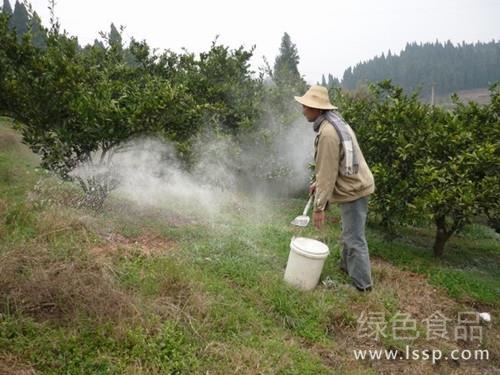
Citrus
1. Apply base fertilizer at the right time:In this area, base fertilizer for citrus should be applied between late October and mid-November. Applying it too early will stimulate late-autumn shoot sprouting, while applying it too late will hinder root wound healing because of low soil temperature.
2. Irrigate the orchard:Starting in December, begin irrigating the citrus in the orchard. When there is no rain in winter, keep the orchard soil moist. Three to five days before a cold wave arrives, irrigate thoroughly one more time.
3. Whitewash the main trunk and mound soil:Whitewash the main trunk with a 30-40% lime solution, and mound soil around the plant at ground level and at the graft union of the rootstock, with the soil mound at least 30cm high. Whitewashing and soil mounding can reduce the harm from snowmelt cooling and the occurrence of bark splitting disease after freezing.
4. Spray an anti-transpirant and heat-retaining agent:Five to seven days before cold air arrives, spray the entire canopy with a 200-fold anti-transpirant and heat-retaining agent. After the cold wave passes, immediately spray again once.
5. Cover the canopy: When the minimum temperature drops below 0°C, cover the canopy with non-woven fabric or plastic film. After the cold wave passes and the weather turns clear, if the daytime temperature is above 5°C, the covering can be removed and put back on at night to prevent frost. Where conditions permit, a simple plastic greenhouse can be built before late November for insulation.
6. Remove snow from the canopy:During heavy snow, promptly shake the canopy and branches to dislodge accumulated snow and prevent the snow from breaking branches and trunks.
7. Spread quicklime on the ground:On clear nights after snow, spread 50-100kg of granular quicklime per mu in the citrus orchard. By decomposing and releasing gas, quicklime can raise the temperature in the orchard and reduce the harm from radiative cooling.
8. Spray fertilizer and water on the leaves:After the cold wave passes, choose clear days at noon (10 a.m. to 3 p.m.) and spray clean water once every 1-2 days for 5-6 consecutive times. About every 7 days, spray a solution of 0.3% urea plus 0.2% potassium dihydrogen phosphate once, for 3-4 consecutive times. This reduces leaf drop from dehydration after freezing and supplements nutrients through the leaves to restore tree vigor.