The Harm of Continuous Rainy Weather to Greenhouse Vegetables and Prevention and Control Measures
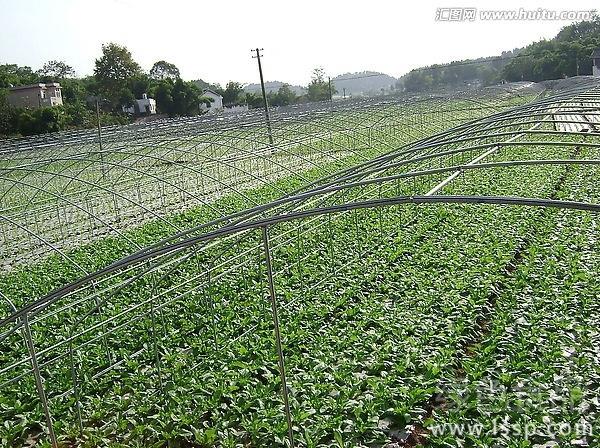
Greenhouse Vegetables
Meteorologically speaking, continuous rainy weather is defined as 5 or more consecutive days of continuous rain, with precipitation greater than 15 mm, persistent overcast and rainy conditions, and scant sunlight. The following is a brief overview of the effects of continuous rainy weather on vegetable production and the countermeasures:
1. Prevent waterlogging on the bed surface: Under sustained low-temperature rainy weather, excessive soil moisture disrupts the water-air relationship in the soil, weakens root activity, and affects the ability to absorb fertilizer and water. Therefore, drainage ditches should be dug well to drain the water and prevent waterlogging on the bed surface.
2. Strengthen covering: Build small arched tunnels inside the greenhouse, using thin bamboo poles etc. as the arch frame, cover with film at night, and cover the film with straw mats; covering the ground inside the greenhouse with plastic film can increase temperature and preserve moisture. Use plastic film as a skirt around the bottom inside the greenhouse, which can significantly reduce the invasion of cold air at the bottom; at the same time, pay attention to plugging gaps everywhere to minimize heat loss through the gaps.
3. Temporary heating: When the daytime temperature inside the greenhouse is below 15°C and the nighttime temperature is below 5°C, chilling injury or freezing injury may occur. Temporary heating measures should be taken at night to artificially supplement heat. Placing several coal ball stoves inside the greenhouse can raise the temperature inside. However, care must be taken to prevent carbon dioxide poisoning; when adding coal balls and removing the coal stoves, the greenhouse should be ventilated first before people enter. Use incandescent lamps inside the greenhouse for supplemental lighting to enhance photosynthesis, improve plant resistance, and ensure the seedlings survive the winter safely. Crops absorb red light and blue-violet light most strongly, so the light sources can preferably be fluorescent lamps, high-pressure mercury lamps, arc xenon lamps, etc. Use three 40-watt fluorescent lamps together, placed 45 cm above the seedlings for illumination, or use a 100-watt high-pressure mercury lamp placed 80 cm from the seedlings for illumination.
4. Management after low-temperature damage: After vegetables suffer varying degrees of chilling injury or freezing injury, or when overcast days last for a relatively long time, set up a shade shelter inside the greenhouse to prevent the frozen vegetables from being directly exposed to sunlight, which would cause tissue dehydration and shrinkage and loss of vigor. Before uncovering the straw mats on a sunny day, first spray some clean water on the leaves to allow a slow temperature rise; the straw mats should also be gradually uncovered so that the seedlings are gradually exposed to light, so as to avoid the "seedling flash" phenomenon.
5. Timely prevention and control of diseases: For greenhouse vegetables, emphasis should be placed on temperature and humidity management and the ratio of nitrogen, phosphorus, and potassium fertilizers, especially nitrogen fertilizer must not be applied excessively, and attention should be paid to the application of organic fertilizer. During continuous rainy and low-temperature weather, humidity inside the greenhouse is relatively high, so attention should be paid to the occurrence and spread of vegetable cucurbit blight and gray mold.