-

Bovine eyeworm disease must be treated promptly during the high-temperature period in summer and autumn
Symptoms: In the early stage, there is conjunctival redness, congestion, swelling, inflammation, and tearing, with serous or purulent discharge. In the later stage, it gradually worsens and increases, the eyelids swell, and the cornea becomes cloudy or develops ulcers or perforation. Sick cattle have reduced appetite, elevated body temperature, restlessness, shake their heads and rub their eyes, and are photophobic. In severe cases, it can cause blindness in one or both eyes, and cows produce less milk. Prevention: Maintain good environmental sanitation in the cattle shed, ensure the pen is dry, remove filth and dispose of it properly, and do a good job of fly control. Feeding management should also be strengthened, nutrition increased, and the cattle's eyes protected from injury
-
What temperature requirements does Gastrodia elata have for cultivation?
Temperature is an important factor affecting the growth and development of Gastrodia elata, and besides the influence of seasons, temperature is also affected by latitude and altitude. Generally speaking, for every 10° increase in latitude, the average temperature drops by 0.5°C, and for every 1000 m increase in altitude, the climate drops by about 6.5°C. Therefore, wild Gastrodia elata mostly grows in mountainous areas and has an ecological preference for cool, humid conditions. During artificial cultivation, we found that: when the temperature of the planting layer rises above 10°C, the terminal buds of Gastrodia elata begin to sprout and start to grow; when the temperature rises above 20°C, it grows rapid
-
What temperature conditions does Gastrodia elata need to grow?
Q: What kind of temperature conditions does Gastrodia elata need to grow? What are the extreme temperatures? A: This question seems simple, but is actually rather complex. Based on the actual situation in our province, we might as well give a brief explanation from the following two aspects. First, the original intention of most farmer friends in asking this question should refer to the adaptability of Gastrodia elata tubers to temperature in asexual cultivation. As a plant, Gastrodia elata has no roots and no leaves, and its ability to adapt to and regulate temperature is weak, which is its growth disadvantage. However, since
-
Detailed Method for Storing Fresh Jujubes in Wet Sand at Room Temperature
Choose a cool, dry room (large boxes, baskets, or other containers can also be used). First sweep the surrounding area and sprinkle quicklime to disinfect. Then spread a 3-5 cm thick layer of wet fine river sand on the floor, place a layer of fresh jujubes on top (1 jujube deep), then spread another layer of wet sand. Continue stacking in this way until the pile reaches 30-40 cm high. After that, simply keep the sand moist (a small amount of clean water can be added periodically. This method can store jujube fruit for more than 30 days).
-
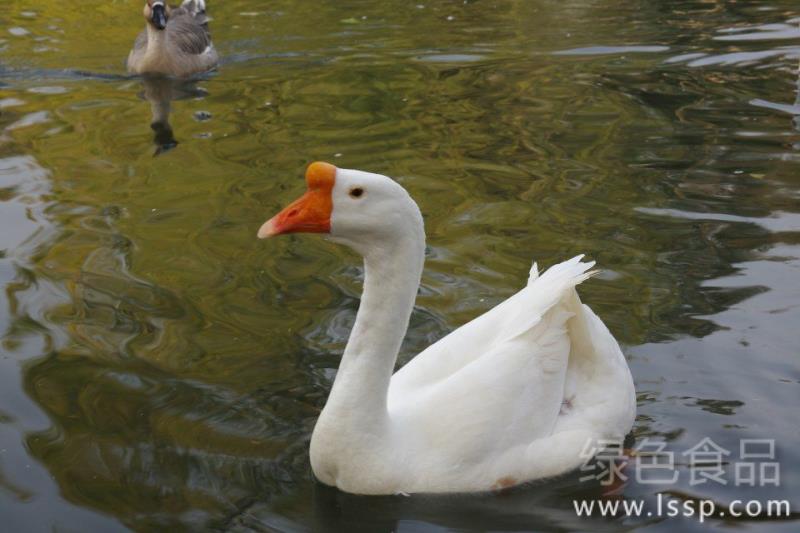
Symptoms and Prevention Methods of Heatstroke in Geese During Summer High Temperatures Due to Lack of Sweat Glands
Summer High Temperatures, Geese Lack Sweat Glands and Are Prone to Heatstroke: Symptoms and Prevention Methods of Heatstroke in Geese
-
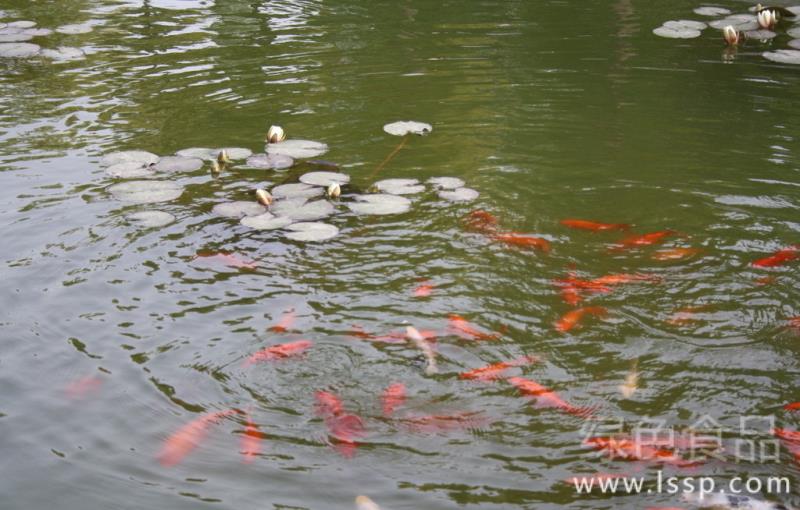
How to scientifically manage fish ponds when diseases break out frequently under high summer temperatures
How to manage fish ponds well in summer when diseases break out frequently under high temperatures
-
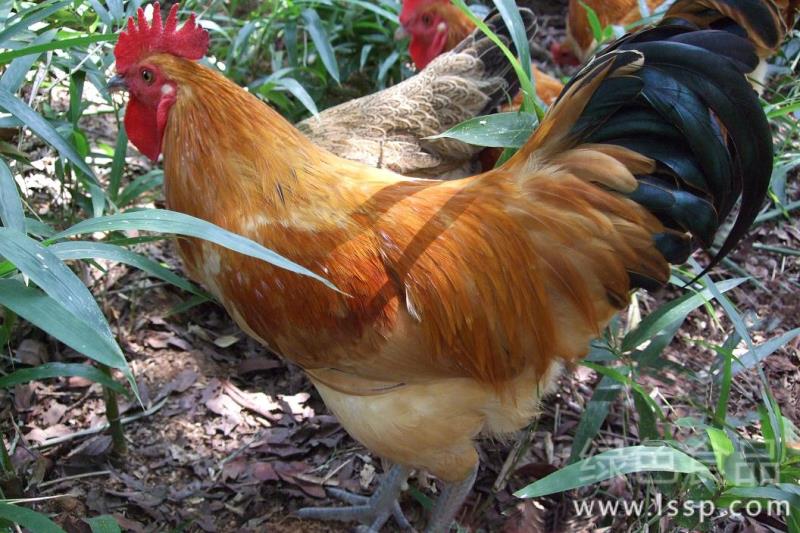
Prevention and Treatment Methods for Stubborn Diarrhea in Broiler Chickens Under High Temperature and High Humidity
Broiler chickens are prone to diarrhea under high temperature and high humidity; prevention and treatment methods for stubborn diarrhea in broiler chickens
-
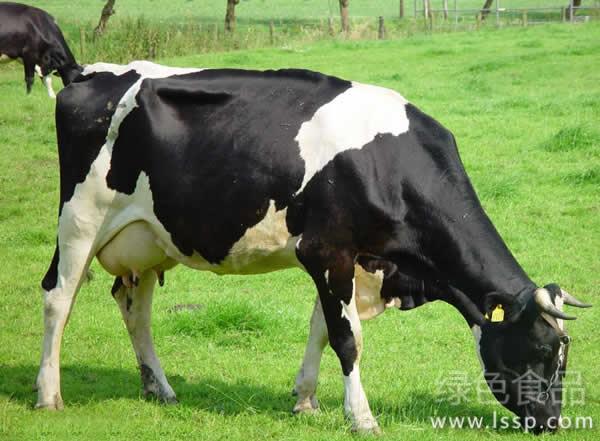
Dairy cows are prone to heat stress in high temperatures: five heat-relief and cooling measures to remember
Dairy cows easily suffer heat stress in high temperatures: five measures for heat relief and cooling in dairy cows
-
What effect does low winter temperature have on Gastrodia elata
The tubers of Gastrodia elata are buried underground and overwinter in a dormant state; the stable low temperature they can tolerate is 0-5°C. However, if winter temperatures fluctuate frequently, with large swings in temperature difference, sudden warmth followed by sudden cold, Gastrodia elata is prone to cold damage. Therefore, special attention should be paid to cold protection and heat preservation for overwintering Gastrodia elata, especially for box-cultivated Gastrodia elata, which should be covered even more carefully to preserve warmth and prevent cold damage. But Gastrodia elata has a certain low-temperature cycle and requires an appropriate stable low temperature in winter, otherwise its sprouting will be adversely affected.
-
How is Gastrodia elata planted according to different temperature conditions?
The conditions required by Gastrodia elata and Armillaria mellea are mainly temperature. It can grow and develop normally under conditions of 2-28°C. How to control this condition is the most important factor in whether Gastrodia elata production succeeds. Temperatures across the country can be broadly divided into three major types: (1) Heilongjiang, Jilin, Liaoning, Inner Mongolia, Qinghai, **. In these areas, it must be ensured that the seedlings are not damaged by freezing in winter, and there is no need to consider the effect of high temperatures on Gastrodia elata growth in summer. The best plan is: plant Gastrodia elata indoors, with slight heating in winter, so that it is suitable if the room does not freeze. Outdoor planting of Gastrodia elata
条件筛选