-
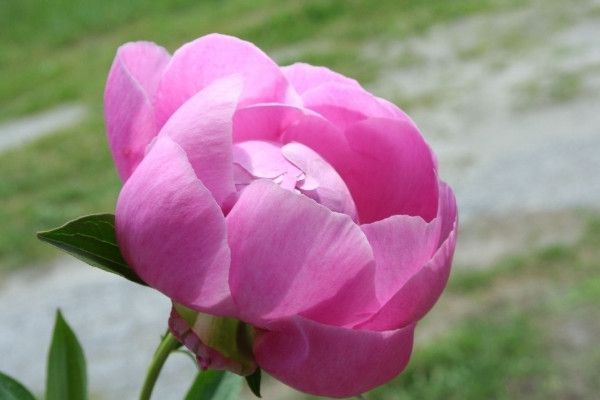
What is the optimal temperature for rooting when transplanting peonies?
The optimal temperature for rooting when transplanting peonies
-
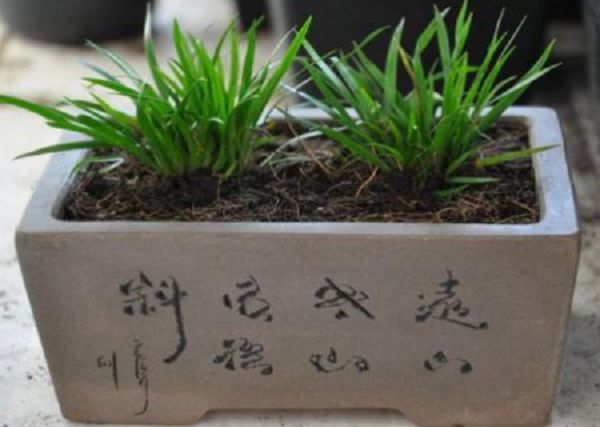
Can Acorus tatarinowii tolerate low temperatures? Detailed winter care methods
Can Acorus tatarinowii tolerate low temperatures?
-
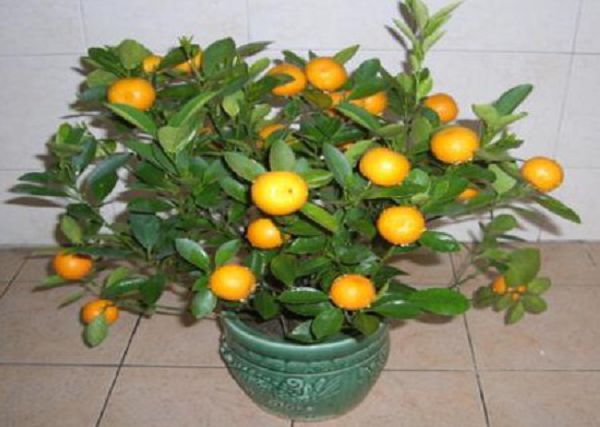
What is the suitable temperature and minimum cold-hardiness temperature for a potted orange tree?
What temperature should a potted orange tree be kept at, and what about its minimum cold-hardiness temperature?
-

How to choose flowers? Pick suitable varieties according to indoor temperature
Choose flowers according to indoor temperature
-
Cultivation requirements for tulip bulbs after 5°C low-temperature treatment
1. Carefully remove the brown outer skin wrapped around the roots before planting. 2. Plant the bulbs in slightly moist soil at the specified number of bulbs per sq m and the correct depth. 3. Provide the recommended temperature conditions at bulb depth and at plant height in the greenhouse. 4. The relative humidity in the greenhouse must never exceed 80%. 5. Keep the soil in the greenhouse at the optimal moisture content. 6. Regularly check the plants, temperature and relative humidity; always use annually calibrated testing equipment. Bulb peeling
-
Key points for azalea cultivation: suitable temperature is crucial
Azaleas are damaged when the temperature is too high or too low. Only under suitable temperature conditions can they develop and grow rapidly and robustly. Therefore, attention to the suitable temperature for azaleas should be a key point in azalea cultivation and management. Azaleas should be moved into a room with a temperature no lower than 5°C around Frost's Descent. During overwintering, different varieties have different temperature requirements. For example, summer azaleas should not be below 5°C, spring azaleas around 10°C, and Western azaleas about 8-15°C. It should be noted that below 3°C, varying degrees of cold damage may occur depending on the variety.
-
Azalea Biological Clock Disrupted by Temperature Changes
December 7 is Major Snow, one of the 24 solar terms in the lunar calendar, but at the Yuanjiajie Scenic Area in Wulingyuan, Zhangjiajie, at an altitude of 1100 m, large numbers of wild azaleas along the walking paths have produced fiery red blooms. In Mujiao Township, Tongdao Dong Autonomous County, Huaihua City, which has a well-preserved ecology, azaleas are also blooming in the wind. Azaleas generally bloom in early spring, so flowering in winter is truly rare. Amid a stretch of green shade, a cluster of purplish-red azaleas is blooming vibrantly, setting each other off against the cliff edge and the yellow leaves, drawing many tourists
-
What is the relationship between rose blooming and temperature? Explained clearly in one article
Many floriculture references describe open-ground roses as: fond of warmth, with a blooming period from May to October, but this is actually inaccurate. After years of observation, the author found that the blooming period of roses is longer than this: it can last from May all the way to November, or even longer. It does not fear frost, and only after snow do the flowers and leaves gradually wither; if pruning is done a little later, it is even possible to enjoy roses in the snow. Roses like sun and fertilizer, but they are also tolerant of poor soil and drought, and their adaptation to temperature fluctuates over the course of a year. Although roses like warmth, they cannot tolerate intense heat. In the blazing summer, although roses still
-
Detailed Explanation of Variable-Temperature Germination Treatment Methods for Korean Pine Seeds
The Korean pine (Pinus koraiensis) is an excellent timber and food forest tree species in Northeast China. Korean pine seeds have a thick, hard seed coat with a waxy layer that is not easily permeable to water and air. The seed coat contains tannins, and other parts contain inhibitors such as abscisic acid. These factors affect the rapid germination of Korean pine seeds, keeping them in a long-term dormant state. To break the long-term dormancy of Korean pine seeds, under natural conditions, after the seeds mature, they must undergo burial through winter--summer--winter, and can only be sown when taken out in the spring of the third year. In recent years, due to the shortage of Korean pine seeds and high market prices, seed
-
Detailed Explanation of the Variable Temperature Treatment Method for Propagating Yew (Taxus) from Seed
The method for variable temperature treatment in seed propagation of yew is as follows: yew seeds have a double dormancy habit involving the radicle and the hypocotyl. The radicle requires a high-temperature stage above 25°C for about 1 month to break dormancy, while the hypocotyl requires conditions between minus 3°C and minus 20°C for about 1 month to release dormancy. To accelerate seed germination earlier, simply mix yew seeds with cracked seed coats with moist sand, place them in an environment below minus 3°C and freeze them for 25 to 40 days to release the hypocotyl dormancy. After sowing in late winter or early spring,
条件筛选