Prevention and Treatment Methods for Stubborn Diarrhea in Broiler Chickens Under High Temperature and High Humidity
In summer, with high temperature and humidity, broiler chickens are susceptible to stubborn diarrhea. Through practice, many poultry farmers have worked out the following patterns of occurrence and comprehensive prevention and treatment measures for stubborn diarrhea in broiler chickens, which are introduced as follows:
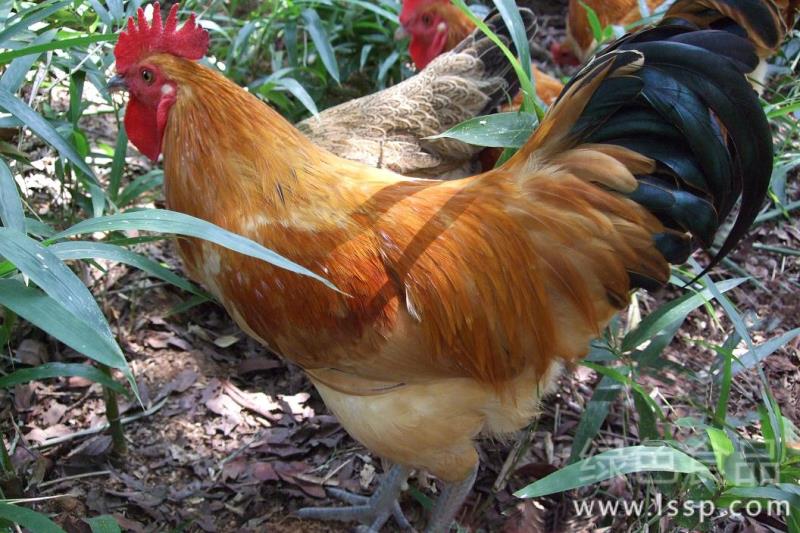
Broiler chickens
I. Main symptoms:
The broiler chickens are in good spirits, with normal mortality and culling rates and normal feed intake, but their water consumption increases, and the droppings are thin and watery with a small amount of solid matter, often containing undigested feed and sometimes shed intestinal mucosa. A "splashing" sound of excretion is constantly heard in the chicken house. The combs of sick chickens turn pale, and the legs and claws are dry and lusterless. In severe cases, the feathers stand erect, the chickens are listless and stand motionless.
II. Necropsy changes:
The intestines are highly swollen and filled with gas, the intestinal wall becomes brittle, and the contents have a foul odor, with black or pale yellow watery material; the mucosa is necrotic and shed. The liver is enlarged and brittle, even erosive, and the kidneys are enlarged and pale.
III. Analysis of causes:
Due to high summer temperatures, the water consumption of broiler chickens rises by 2-4 times, causing physiological diarrhea; factors such as feed changes and immunization cause disorders of the intestinal physiological function of broiler chickens; in addition, the abuse of antibiotics is also a cause of stubborn diarrhea in broiler chickens. Although stubborn diarrhea does not cause death in broiler chickens, the chickens' resistance is reduced in summer, and there is a high probability of secondary and mixed infections with bacteria and viruses, and the broiler chickens grow slowly.
IV. Prevention and treatment measures:
1. Add probiotics to the broiler feed to maintain the balance of the intestinal flora of broiler chickens, promote digestion and absorption, and improve feed conversion rate.
2. Add electrolytic multivitamins to the drinking water of broiler chickens, and control the water consumption to two-thirds of the original amount.
3. Add 0.2-0.1% medicinal charcoal powder or 0.2% sodium humate to the feed.
4. To prevent secondary infection, add antibiotics to the drinking water of broiler chickens to control abnormal intestinal bacterial reproduction.
5. Add cod liver oil to the feed to repair the intestinal mucosa and enhance resistance.
6. For individual severe cases of broiler chickens, give each chicken 2 tablets of lactasin or rhubarb soda tablets on an empty stomach in the morning.