-

What is the overwintering temperature for grafted osmanthus on fringe tree rootstock?
The fringe tree (Chionanthus retusus), also known as April snow, is a relatively rare and precious protected tree species. In summer, its entire canopy is covered with white flowers, like a blanket of snow, clear and delightful. The fringe tree can not only be grown in pots, but can also be made into stump bonsai, and is moreover an excellent rootstock for grafting osmanthus.
-
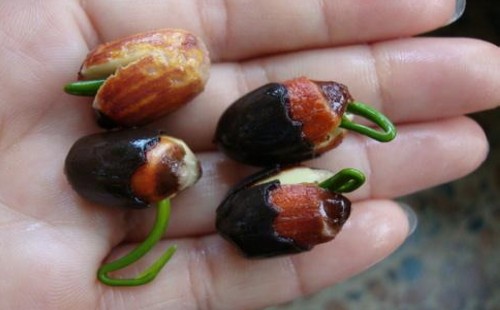
What is the growing temperature for bowl lotus?
Bowl lotus is a plant that thrives in water. Besides helping to purify water quality, it also has extremely high ornamental value, especially during its blooming period. That is why many gardening enthusiasts like to grow it as an aquatic potted plant on their balconies, especially in courtyards. Not only is growing bowl lotus very simple
-
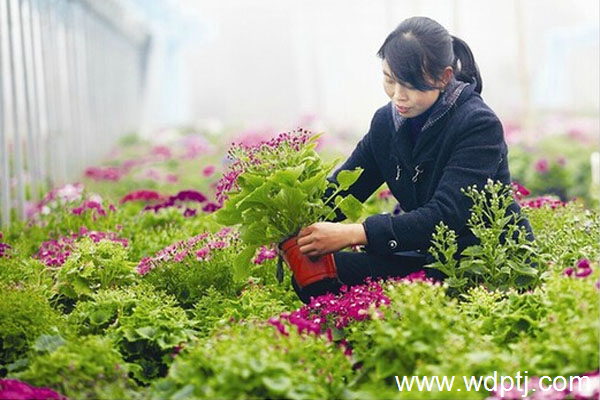
What are the temperature requirements for keeping flowers at home?
Among the various environmental factors, temperature is one of the important environmental conditions affecting the growth and development of flowers. All life activities of flowers can only proceed normally under certain temperature conditions. The level of temperature directly affects the growth and development of flowers. There are many kinds of flowers from different places of origin, and their temperature requirements also differ.
-
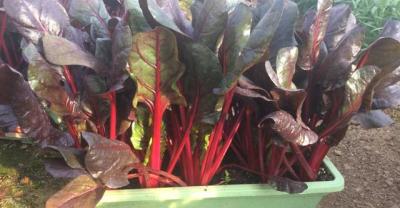
How Does Accumulated Temperature Affect Crop Cultivation? A Guide to Agricultural Basics
We often refer to the concept of accumulated temperature in agriculture, so what exactly is accumulated temperature? Simply put, the sum of the daily average temperatures during the period when a certain indicator temperature persists within the crop growth period...
-
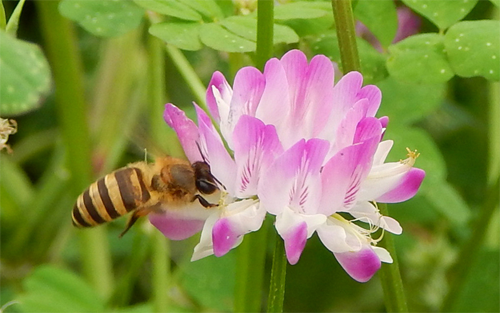
Cultivation Methods for Milk Vetch (Astragalus sinicus) and Seed Germination Temperature
The flowers of milk vetch are very beautiful, purple-red and very lovely. Sometimes you can see them by the roadside, and they are very endearing. What are the cultivation methods for milk vetch? What is the suitable temperature for seed germination? Cultivation methods for milk vetch: sow at the right time; milk vetch prefers a cool climate
-
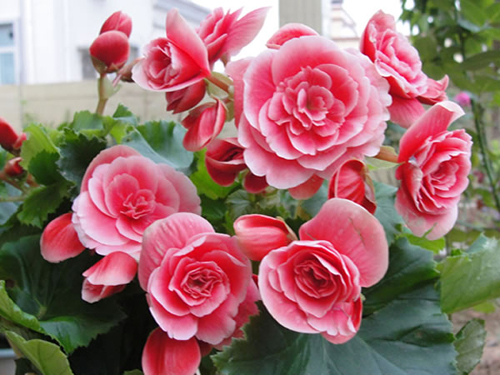
Rieger begonia (Begonia × hiemalis) cultivation methods and precautions: the growing temperature must be suitable
Rieger begonia is a herbaceous plant of the genus Begonia in the family Begoniaceae. The Rieger begonia has a full, compact plant form and is rarely reddish-brown. Its flower shapes are varied, mostly double-flowered, with rich colors; moreover, its flowering period is long, lasting from December through to the following spring in April. Below, let's talk about the cultivation methods and precautions for Rieger begonia.
-
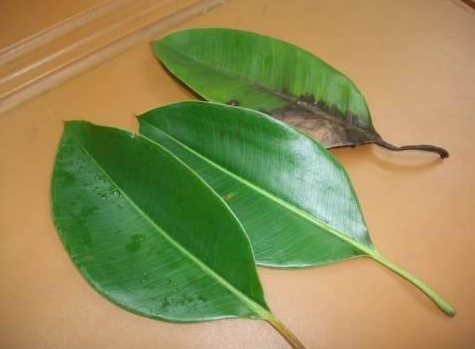
How to propagate rubber plant from leaves and what is the cutting temperature
When it comes to the rubber plant, many people love growing it. This rubber plant grows super green and lush, and it looks beautiful. Let's see how to propagate rubber plant from leaves
-
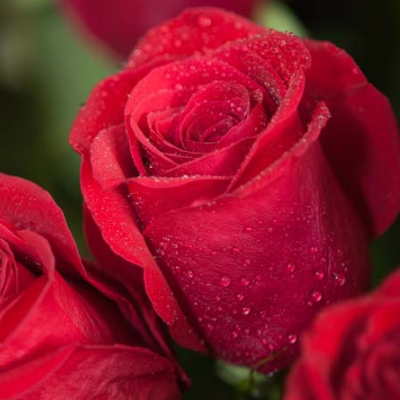
Fast rooting methods for rose cuttings and the suitable temperature
Roses are loved by many people who grow them, and they can also be propagated by cuttings. How do you get rose cuttings to root quickly? What is the rooting temperature for roses: How to get rose cuttings to root quickly: Whether you root them in water or in soil, you must first cut off the flower. Rooting depends on temperature.
-
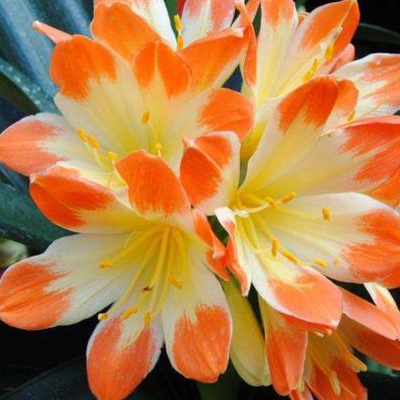
How to care for Clivia in summer? A detailed guide to methods for resisting high temperatures
Clivia (Clivia miniata) is something many people absolutely love, and this Clivia is also quite attractive. What are the summer care methods for Clivia? How should Clivia resist high temperatures in summer: 1. Maintain a ventilated environment: the weather is getting hotter and hotter now, so if you keep a potted Clivia at home
-
What temperature requirements does soybean growth have? Detailed explanation of the suitable temperature range
Soybean is a warm-season crop and has different temperature requirements at each growth and development stage. First, seed germination is very sensitive to temperature: the minimum germination temperature is 6°C, emergence is 8-10°C, and seedlings suffer slight frost damage at a low temperature of -4°C. Throughout the growth period, the optimum growth temperature for soybean is a daily average temperature of 20-25°C, among which the optimum growth temperature for seedlings is 20-21°C, the flower bud differentiation stage is 21-23°C, the flowering stage is 22-25°C, the pod-setting and seed-filling stage is 21-23°C, and the maturation stage is 19-
条件筛选