Dairy cows are prone to heat stress in high temperatures: five heat-relief and cooling measures to remember
Dairy cows tolerate cold but fear high temperatures. Hot weather can disrupt or unbalance a dairy cow's heat balance, a condition known as “heat stress.” Dairy cows suffering from heat stress not only decline in milk yield and reproductive rate, but also have weakened resistance and a higher incidence of disease. Therefore, summer management of dairy cows should focus on heat relief and cooling. The specific practices are as follows:
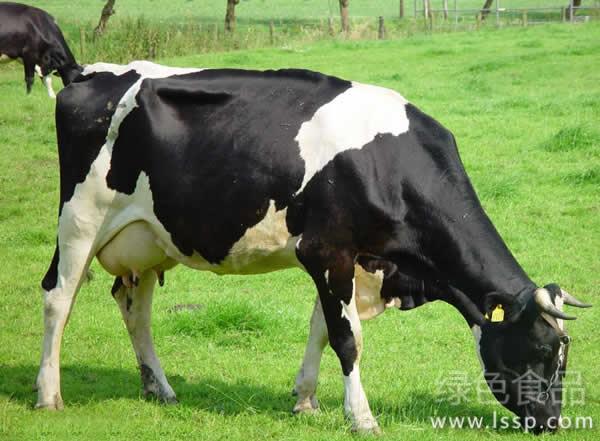
Dairy cows
1. Reduce radiant heat.Use materials with good insulating properties to build the roof of the dairy cow shed or add a canopy. Whitewash the roof and walls white, using the ability of white to reflect sunlight to reduce reflected heat and radiant heat. Moderately plant trees and grass around the cow shed and exercise yard to reduce solar radiation, prevent hot air from entering the cow shed, and improve the microclimate of the dairy farm.
2. Adjust the diet and feed reasonably.To maintain milk yield in dairy cows, it is necessary to enhance palatability, adjust the composition of the diet, reduce the proportion of crude fiber, and ensure concentrated feed is diversified and contains a high level of protein. Feed more forage grass, vegetables, melons, and other feeds, and practice nighttime grazing and nighttime feeding, which are good ways to prevent heat stress.
3. Provide sufficient clean drinking water.In summer, a dairy cow drinks about 100 kg of water per day. Allow free access to water and keep the drinking water clean and cool. If necessary, add more drinking water facilities. A water temperature of 10°C gives the best effect; cool water can lower a dairy cow's body temperature and improve appetite. Switching to thin porridge feed also has a very obvious effect. Dairy farms with the means can appropriately feed mung bean soup or salt water bran soup (50 kg water, add 40-50 g table salt and 1-1.5 kg bran, 3 times a day) to increase the dairy cow's appetite, relieve heat and cool down, and control milk yield.
4. Regular sanitation and disinfection.During midsummer, bacteria and other pathogenic microorganisms multiply quickly. Frequently clean the cow shed and diligently scrub the feed troughs and water troughs; remove manure from the cow shed, keep the cow shed and its surroundings clean and sanitary, and regularly disinfect strictly with high-efficiency disinfectants.
5. Eliminate mosquitoes and flies and prevent poisoning.In midsummer, there are many mosquitoes and flies, which not only bite the cows and affect their rest, causing a decline in milk yield, but also spread diseases through mosquitoes and flies. Therefore, screen doors and screen windows can be added to the cow shed to prevent mosquitoes and flies from biting the cows; a 600-800 times dilution of 90% trichlorfon can also be sprayed on the cows' bodies to repel and kill mosquitoes and flies. However, when using the medication, prevent the concentration from being too high and prevent the liquid from seeping into the milk, so as to prevent poisoning.