Can Acorus tatarinowii tolerate low temperatures? Detailed winter care methods
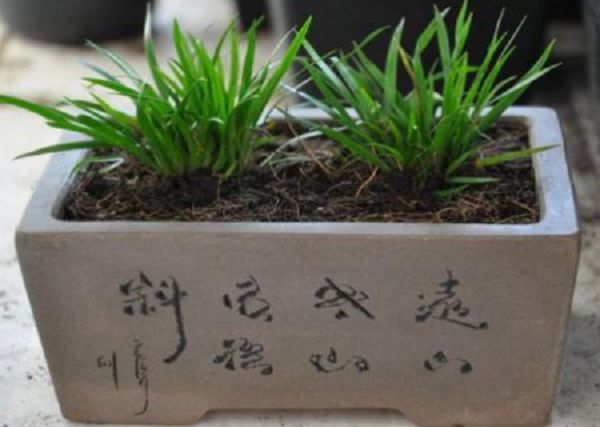
Winter has already arrived, and especially recently the temperature has been persistently low. For gardening friends who like growing Acorus tatarinowii in pots, this is certainly not good news. Many people worry - and indeed, with the weather continuing to drop recently, if you still do not know whether Acorus tatarinowii can withstand such continuous low-temperature weather, then it is necessary to read this article carefully.
As for how cold-resistant Acorus tatarinowii is in winter, this depends on whether it is wild or artificially cultivated indoors. Take Acorus gramineus (Japanese sweet flag) for example: if it has always grown in the wild, even if the winter temperature drops below 0°C, it generally will not suffer frostbite or freeze to death. But if it is Acorus gramineus grown in an indoor artificial pot, its cold resistance is very poor, and when it encounters continuous low-temperature weather, it is very prone to cold damage. At first, yellow leaves appear; if ignored, it will then show signs of withering.
At the same time, different varieties of Acorus also differ in cold resistance. At this point, we need to understand Acorus calamus (sweet flag) and Acorus gramineus separately.
Usually, the cold resistance of Acorus calamus is relatively poor. In winter, if no artificial warmth measures are provided, its leaves tend to wither as the temperature gradually drops. However, when the temperature warms up again in spring the following year, the old plant will sprout new shoots. As long as conditions are suitable, the new shoots usually grow quite quickly, and the leaves can soon reach a length of 100 cm. By then, a patch of fresh green will present itself in a brand-new posture.
As for Acorus gramineus, its cold resistance in winter is slightly stronger than that of Acorus calamus. As long as the temperature can stay above 8°C, it generally will not show withered stems and leaves. In southern regions, generally no deliberate warmth measures are needed; but in northern regions, because the temperature environment is relatively harsh, timely cold-protection and warmth measures need to be taken, otherwise it will soon wither as the temperature drops.
As for warmth measures for Acorus bonsai, you can choose to put the small pot inside a larger pot, then move both the large and small pots together to a relatively warm place indoors, thereby reducing the risk of cold damage. As for the potting soil, it is only necessary to keep the soil with a certain amount of moisture; do not let it become too wet, but rather keep it in a slightly dry state. Moreover, the watering frequency should be decided according to the dry-wet state of the potting soil, and it is advisable to replenish water during the daytime when the temperature is relatively higher. Of course, in winter you should also avoid long periods of direct sunlight, otherwise it will increase the risk of overwintering.