What are the temperature requirements for keeping flowers at home?
Among the various environmental factors, temperature is one of the important environmental conditions affecting the growth and development of flowers. All life activities of flowers can only proceed normally under certain temperature conditions. The level of temperature directly affects the growth and development of flowers.
There are many kinds of flowers from different places of origin, and their temperature requirements also differ. The growth and development of each kind of flower has certain temperature requirements. Different flower species and different climate types of their places of origin mean different temperature requirements. If the adaptable temperature range is exceeded, growth will be damaged, or even death will occur.
In greenhouse cultivation, it is proposed to divide greenhouses according to the winter temperature level into high-temperature greenhouses (18-30°C), medium-temperature greenhouses (12-20°C), low-temperature greenhouses (8-16°C) and cold rooms (0-10°C). Flowers of different temperature types should be placed respectively in the corresponding greenhouses for cultivation. In home care and management, due to limited conditions, although the division cannot be made very clearly, flowers that like high temperatures and flowers that like cool conditions should still be separated according to the needs of the flowers.
Flowers native to tropical regions like high temperature and high humidity. When cultivating these flowers, the nighttime temperature in winter should not be lower than 18°C, and the daytime temperature should be above 25°C. Examples include Phalaenopsis, poinsettia, ornamental bromeliads, Dieffenbachia, and so on. When the temperature drops below 15-10°C, their normal physiological activities are affected, the absorption capacity of the roots decreases or stops, and above ground the tender branches and leaves wilt while old leaves turn yellow and fall off. If the low temperature lasts only a short time, they can still recover; if it lasts a little longer, it will cause the death of the plant.
For flowers that like relatively high temperatures, such as orchids, Monstera deliciosa, Philodendron, Alocasia, ferns, Calathea, Syngonium, Peperomia, and so on, when the winter temperature is too low, black spots appear on the leaves, the leaves curl, shrink, turn yellow and even fall off, leading to the death of the plant; for flowers that like relatively low temperatures, if the winter temperature is too high, the plants will not be able to enter full dormancy and will waste nutrients, thereby affecting the next year's growth and flowering.
High temperatures can also cause harm to flowers. When the surrounding environmental temperature exceeds the maximum temperature that flowers can tolerate, it will inhibit the normal life activities of the flowers. A high-temperature environment can cause the proteins in cells to coagulate and denature, the chloroplasts to be destroyed, and photosynthesis to stop; high temperatures also increase respiration and increase nutrient consumption. In dry climates, excessively high temperatures can cause stomatal dysfunction, a large amount of water loss from the flower body, and the death of leaves and branches, and in severe cases cause the death of the plant. In order to avoid the harm of high temperature and drought, in the hot summer it is necessary to shade, ventilate and sprinkle water on the leaves or around the plants to lower the temperature and increase humidity.
The diurnal variation of temperature also has a relatively large effect on the growth of flowers. Within the suitable temperature range, the higher the daytime temperature, the more favorable it is for plant photosynthesis and the more nutrients synthesized; the lower the nighttime temperature, the less nutrients consumed, and the more favorable it is for the plant's own nutrient accumulation. That is, within the suitable temperature range, the greater the day-night temperature difference, the more favorable it is for growth. It should be noted that when keeping flowers at home, it is essential to avoid nighttime temperatures being higher than daytime temperatures; otherwise growth will be severely inhibited, causing the plant to suddenly die for no apparent reason.
Home flower cultivation methods_Complete collection of home flower cultivation pictures
Keeping flowers at home has already occupied a very important part of people's lives. It can not only help people beautify the environment, freshen the air, cultivate sentiment, purify the mind, enrich spare time, provide a healthy living environment, and so on, giving people enjoyment of beauty, edification, inspiration, and so on, thereby improving people's cultural and artistic literacy and allowing people to live happily and fully every day. Therefore, many people want to understand home flower cultivation methods, but due to differences in flower varieties, regions, light, temperature, water, soil, fertilizer, and so on, many problems arise in home flower cultivation methods. Below, the editor will introduce home flower cultivation methods, as well as a complete collection of home flower cultivation pictures, so that more people can understand the wonders within.
[The role of home flower cultivation]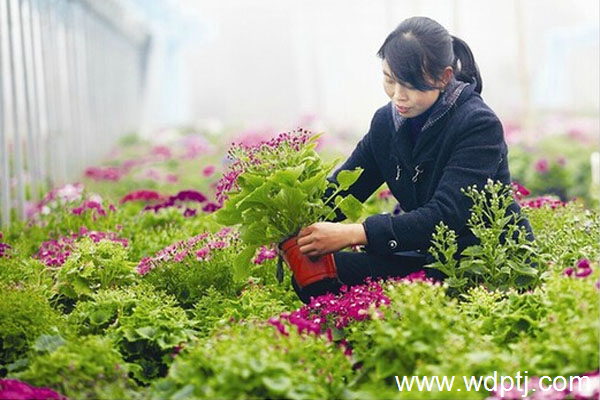
Many home flowers have a strong ability to absorb toxic gases in the air, such as carbon dioxide, sulfur dioxide, nitrogen oxides, formaldehyde, toluene, hydrogen chloride, hydrogen fluoride, and other harmful gases. According to expert analysis.
1. Wintersweet has the effect of absorbing mercury vapor, and the whole pomegranate plant can help absorb lead vapor from the air.
2. Canna, snapdragon, morning glory, gladiolus, dianthus, and so on can all, through their flowers and leaves, oxidize the toxic gas carbon dioxide and convert it into non-toxic or low-toxicity sulfate compounds.
3. Spider plant, aloe, and snake plant can absorb indoor formaldehyde and other toxic gases. While absorbing them, they can also eliminate and prevent air pollution, thereby creating a healthy living environment.
4. Narcissus, chrysanthemum, and saxifrage can effectively convert nitrogen oxides into proteins in plant cells.
5. Honeysuckle, morning glory, lilac, jasmine, and so on can secrete substances that eliminate bacteria in the air, especially inhibiting diphtheria, tuberculosis, dysentery, and other typhoid bacteria, maintaining air cleanliness.
The flower fertilizers in home flower cultivation methods include nitrogen fertilizer, phosphorus fertilizer, and potassium fertilizer. Nitrogen fertilizer is generally fermented soybean cake water, urea, human waste, and barnyard manure, and it promotes lush branches and leaves. Phosphorus fertilizer includes bone meal, fish fertilizer, superphosphate, and so on, and it promotes bud formation and flowering. Potassium fertilizer includes plant ash, potassium sulfate, potassium chloride, and so on, and it promotes thick and strong stems and a more developed root system. For watering, rice washing water, cooled boiled water, warm water, leftover tea, expired milk, and so on are generally used, and they should all be relatively rich.
Home flower cultivation methods—Pothos
Pothos is a plant we are all too familiar with. It is an evergreen herbaceous plant and likes to live in relatively humid and warm places. Pothos has relatively large leaves and plays a very good role in decorating the environment. It is suitable for growing in a 20-30°C environment, and is generally best placed in the southeast direction. It has the effect of attracting wealth, and generally appears in our offices.
Home flower cultivation methods—Alocasia macrorrhizos
Alocasia macrorrhizos is a plant of the Araceae family and belongs to the genus Alocasia. It likes to grow in warm and humid places. If the temperature is below 18°C, it stops growing. Its leaves are relatively large, its transpiration effect is also relatively strong, and the moisture it releases into the air is also relatively great, which can help purify the air. It is a must-choose plant among office flowers.
Home flower cultivation methods—Money Tree
Just hearing this name makes people feel it has a very good meaning. It carries the meanings of wealth, good fortune, and rising step by step. It belongs to the evergreen small tree species of the Bombacaceae family. It likes to live in a high-temperature and humid environment, and it can help absorb formaldehyde from the air, thereby playing a role in purifying the air. When cultivating a Money Tree, attention must be paid to the air temperature. The winter temperature cannot be lower than 16-18°C. It is generally placed indoors for cultivation and is an office green feng shui plant.
Summary: The above is the introduction by the editor of home flower cultivation methods, as well as a complete collection of home flower cultivation pictures. It is hoped that the introduction here will be of some help to you when cultivating flowers, so that you can cultivate indoor flower plants you like even more. If you want to understand more about indoor flower cultivation plants, then learn about the editor's website. You can find the cultivation methods you want there. Thank you for reading.
More related information: flowering almond black tulip marigold pictures cultivation methods for peace lily cultivation methods for clivia
Home flower cultivation Indoor flower cultivation methods
How to cultivate indoor flowers? How can indoor flowers be grown well? Look at the following introductions about indoor flower cultivation methods:
1. Home indoor flower cultivation methods
According to experts, to make indoor flowers grow well, one must master the ecological habits of the flowers and master and adjust the light, water, fertilizer, temperature, humidity, and pest and disease control required for the growth of home flowers. Below are some suggestions from experts:Most homes cannot achieve the humidity of a greenhouse, while most native tropical plants like humid environments. In a greenhouse, flowers can receive sunlight through a shade net all day so that they are not exposed to direct sunlight, while in the home there is often insufficient light or direct sun exposure. Many flowers like semi-shaded environments, but in winter the sunlight is too weak, so flowers can be allowed to receive sufficient sunlight. The suitable growth temperature for most flowers is between 15°C and 20°C. If the temperature is too high, flowers bloom quickly and problems are also likely to occur.
In a greenhouse, regular fertilization and moderate watering are carried out, and compound fertilizers suitable for each growth stage need to be used. At home, however, due to insufficient horticultural knowledge, either no fertilization causes malnutrition, or too heavy one-time fertilization burns the flowers. In particular, note that during the flowering period, no fertilizer or only a small amount of compound fertilizer may be applied; "excessive fertilizer" is unfavorable for flowering.
Flowers mostly like neutral or slightly acidic soil. If the tap water is alkaline, long-term watering will make the soil alkaline and also affect flower quality. If the soil is heavy and not breathable, it also affects root respiration and can even cause root rot. For watering, basically master the principle of alternating wet and dry. In winter, evaporation is small, so do not water too frequently; too much water easily causes root rot. Before watering, be sure to touch the potting soil with your hand, so you can grasp the degree of dryness and wetness of the soil and avoid blind watering.
Most flowers like an environment with high air humidity, so spray more water around the flowers to increase air humidity. Try to place flowers in a sunny and well-ventilated place, which can help avoid the occurrence of pests and diseases. The room temperature should preferably not be lower than 5°C, and also not exceed 25°C. Too much water, low air humidity, and excessively high temperature are often the main factors causing problems for flowers.
In addition, when cultivating flowers, attention should also be paid to the following aspects:
1. Dry air. When indoor air is excessively dry, flowers often show phenomena such as dry leaf tips or scorched leaf edges. Attention should be paid to methods such as spraying water and covering with plastic film to increase air humidity.
2. Excessive fertilization. If too much fertilizer is applied, new leaves will become thick and fleshy and mostly uneven, and old leaves will dry at the tips, scorch yellow, and fall off. Fertilization should be stopped immediately, and the amount of water changed should be increased so that the fertilizer is leached away, or the pot should immediately be turned out, the bulbs rinsed with water, and then replanted in the pot.
3. Hot and high temperature. If flowers are placed in a high-temperature place and exposed to strong direct sunlight, it is very easy to cause the leaf tips and leaf edges of young leaves to scorch, or leaves to turn yellow and fall off. They need to be moved promptly to a well-ventilated and shady place.
4. Excessive shading. If flowers are kept for a long time in a shaded place or a place with insufficient light, the branches and leaves will turn yellow.
5. Too dense and not ventilated. If too much nitrogen fertilizer is applied, the branches and leaves grow too luxuriantly, and coupled with long-term lack of pruning, the branches and leaves inside the canopy receive insufficient light, which easily causes leaves to turn yellow and fall off. Fertilization should be reasonable and pruning should be strengthened to make it ventilated and allow light through.
2. Complete collection of indoor flower pictures
Bulbous flowers: such as narcissus, daffodil, tulip, and hyacinth, all belong to seasonal flowers, and their flowering period is very short, generally only 1 week to 2 weeks. Indoors, they can be placed in a sunny place with a relatively low temperature. If the temperature is too high, the flowers bloom quickly and the flowering period is shortened.
Orchid-type flowers: such as clivia, cymbidium, Phalaenopsis, cattleya, dendrobium, and so on, in nature grow under trees in the tropics. They like humidity and shade, avoid direct sunlight, and grow well in bright semi-shade. Therefore, at home, more water should be sprayed to increase air humidity. In winter, they can be allowed to receive soft sunlight so that they can carry out photosynthesis and increase nutrition. Orchid-type flowers are easily affected by snails and scale insects; scale insects can be brushed off with a toothbrush. Taking the common clivia as an example, it is native to the subtropical forests of South Africa, where the four seasons are warm like spring, the average minimum temperature is not lower than 10°C, and the maximum temperature does not exceed 22°C. Clivia likes to grow in a warm, humid, and moderately dry and wet natural environment, and the home should also create a similar environment. Clivia likes soft light and avoids scorching sun exposure. Clivia has fleshy roots and a certain drought resistance. Too much watering will cause root rot. The water content of clivia potting soil should preferably be in a state where it can be pinched into a ball by hand and, with a gentle press, immediately falls apart.
Calathea and fern plants: Calathea plants such as Calathea makoyana and Calathea roseopicta, and fern plants such as Boston fern, like semi-shade, warm temperatures, high humidity, and well-drained environments. They like bright light and cannot tolerate strong direct sunlight.
Calla lily: likes light, water, and fertilizer, and likes moist soil and high air humidity.
Anthurium: also called red palm, likes shady and humid, warm, and well-drained environments. Scale insects are its common pests, and attention should be paid to prevention and control; brushing with a brush is enough.
Cineraria: likes sunlight, moisture, and fertilizer, but fertilization should be reduced during the flowering period. Watering should balance dryness and wetness, preventing excessive dryness or excessive wetness. When temperatures are low, watering should be controlled, and slight moisture is enough. Attention should be paid to ventilation; otherwise, cineraria is prone to powdery mildew or being harmed by aphids and red spiders.
Gloxinia: likes warmth and humidity, likes fertilizer, and avoids direct sunlight. Cyclamen likes a sunny, cool, and humid climate. 10°C to 20°C is the suitable growth temperature, and it fears high temperatures.
Belgian azalea: by nature likes cool, humid, acidic humus soil.
Christmas cactus: likes warm, humid, and semi-shaded environments. The suitable growth temperature is 15°C to 20°C, and when the temperature is below 5°C it enters a dormant state.
Calceolaria: likes warm, cool, humid, and well-ventilated environments, is not cold-resistant, and avoids moisture.
Rieger begonia: likes warm, humid, and semi-shaded environments.
Poinsettia: likes sufficient light and requires loose, fertile soil with good drainage and good aeration. It has strict water requirements. Excessive soil moisture often causes root disease and then leads to leaf drop; insufficient soil moisture causes poor plant growth and also leaf drop.
Kumquat: likes warmth, humidity, and sufficient light, and is suitable for fertile, well-drained, and well-aerated sandy soil. It is not cold-resistant and avoids drought.
Ornamental bromeliad: likes high temperature, high humidity, and semi-shaded environments. The potting soil should preferably be sandy soil containing humus, and the overwintering temperature should be above 10°C.
Summary: A large collection of indoor flower pictures makes people feel they must take action after looking at them. Better to act than just to be moved. Then follow the home flower cultivation methods introduced by the editor and decorate your beloved home together.