-
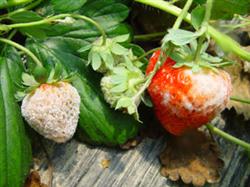
Pollution-Free Standards and Production Technical Regulations for Strawberries
In early October, powdery mildew had already appeared sporadically at the seedling stage of greenhouse strawberries, with the disease occurring earlier, its severity increasing, and the affected area expanding year by year, seriously affecting the yield, quality and food safety of strawberries. Growers should strengthen field management of strawberries, scientifically select control agents, and use integrated control measures to control greenhouse straw...
-
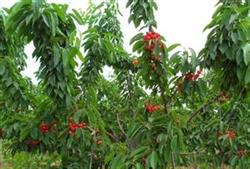
How to cultivate large cherries for early high yield and quality? Detailed explanation of key technical points
For a long time, people have generally believed that large cherries bear fruit late and have low yields, and that they cannot be cultivated for early high yield like other fruit trees. In fact, this is merely an illusion caused by the long-term use of traditional cultivation and management techniques. Since the late 1990s, our county has adopted the free spindle training system, combined with spring bud notching, autumn branch bending,...
-
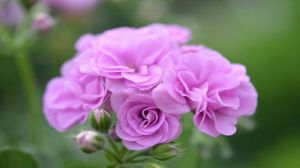
Geranium Cutting Propagation Methods and Technical Key Points
The best time to take geranium cuttings is May or October. Choose healthy cuttings and make sure they have about 3 leaf nodes at the top, then leave them in a cool, shaded place for 2 hours before planting. Next, choose the growing medium, with fine yellow sand being the best. Finally, simply insert the prepared cuttings into the soil, spray with a suitable amount of water, and wait for them to root.
-
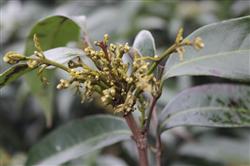
Key Technical Points for Promptly Extracting Flower Panicles After Low Temperatures in Longan
Longan is at the late stage of flower bud differentiation and the early stage of budding. The main tasks are to promote sprouting, promptly extract flower panicles, and prevent "flush shoots." Currently, longan growing normally on Hainan Island has begun budding, while orchards that underwent flower forcing treatment have shown "flush shoots" under the influence of earlier high temperatures, but the recent low temperatures are beneficial to these orchards.
-
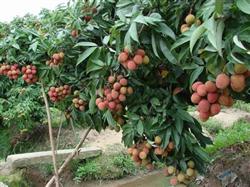
Key Technical Points for High-Quality, High-Yield Lychee Cultivation and Management
Site selection and planting: For high-yield lychee cultivation, hills or slopes with open terrain, loose and fertile soil, deep soil layers, and a water source should be selected, as they are ideal for developing a planting orchard. Lychee mycorrhizae are aerobic, so loosening the soil, improving the soil, and ensuring loose, well-aerated conditions are necessary to promote root development. Soil fertilization should follow the principle of frequent light applications. Spray timely with...
-
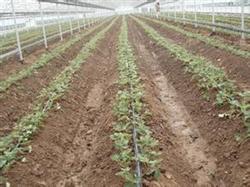
Detailed Explanation of Strawberry Seedling Planting Methods and Key Technical Points
1. Soil disinfection using the solar heat disinfection method. Specific operation steps: apply the farmyard manure from the base fertilizer into the soil, deep plow, irrigate thoroughly, and cover the soil surface with plastic film or old greenhouse film. To improve the disinfection effect, it is recommended to install the greenhouse film at the same time as covering with plastic film or old greenhouse film for soil disinfection in the greenhouse, and seal the greenhouse. Soil...
-
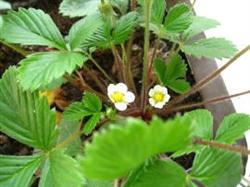
Key Technical Points and Methods for Promoting Flowering in Greenhouse Strawberries
The purpose of facility forcing cultivation of strawberries is to achieve early fruiting and early marketing. The key measures are promoting flower bud differentiation and promoting flowering. Measures to promote flower bud differentiation are implemented during the seedling stage, while after transplanting, flowering must be promoted. The methods for promoting flowering include the following: 1. Temperature and humidity management in the greenhouse. The air temperature inside the greenhouse should be 30 degrees during the day and above 10 degrees at night...
-
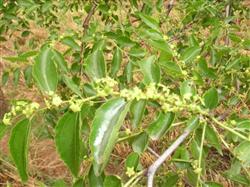
Detailed Explanation of Key Technical Points for Soil, Fertilizer and Water Management of Jujube Trees
Jujube trees have a relatively long flowering period and prefer moisture while fearing drought. At full bloom, when 60% of the flowers are open, clean water can be sprayed evenly over the jujube flowers, once every 2 to 3 days, for 2 to 3 consecutive sprays, which can increase the fruit-setting rate. When more than 1/3 of the jujube flowers are open, spray 0.5% urea and 0.4% potassium dihydrogen phosphate or Tianrun No. 1 solution, once every 5 to 7 days...
-
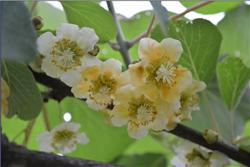
What are the key technical points for kiwifruit management after flowering?
The 40 days after kiwifruit flowers fall are a critical period for kiwifruit management. The fruit expands rapidly and requires large amounts of nutrients and water. 1. Fertilization: after the flowers fall, in mid-May, apply urea, diammonium phosphate, potassium chloride or a three-element compound fertilizer in a timely manner. For a full-bearing orchard, apply 20 kg of urea, 15 kg of diammonium phosphate, and 20 kg of potassium chloride per mu. The fertilization method is broadcasting followed by intertillage.
-
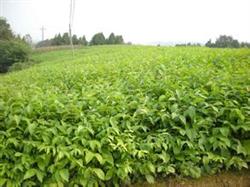
Spring Propagation Methods and Technical Key Points for Walnut Seedlings
1. Seed selection: Choose fully mature seeds from superior varieties, as this ensures a high germination rate. That is, at the time of walnut harvest, those whose husks (green skin) have split open and fallen off on their own, or those whose husks have not split open and fallen off about half a month past the maturity period. 2. Seed treatment: In early March, subject the seeds intended for propagation to sand storage treatment...
条件筛选