-
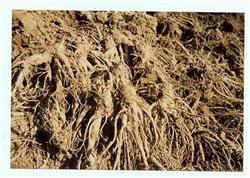
How to Grow Angelica sinensis for High Yield? Key Technical Points Explained
How to grow Angelica sinensis for high yield? Methods explained. Angelica sinensis, also known as Qin Gui, Minshan Gui, Xi Danggui, and Yun Gui, contains various volatile oils, with main components including n-butylenyl phthalide, ligustilide, carvacrol, angelica aromatic ketone, palmitic acid, sesquiterpene A, B, etc. The root is used as medicine, with effects of regulating menstruation and relieving pain, moistening dryness and lubricating the intestines, ...
-
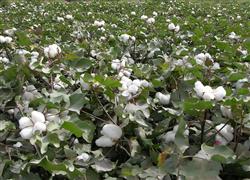
What are the key technical points for late-stage cotton management?
How should cotton be managed in the late stage? Please provide an introduction to the methods. For managing cotton in the late stage of cultivation, you can refer to the following methods: 1. Strengthen field management. First, for cotton fields with lush foliage and shading, the old leaves and empty branches on the lower part of the main stem can be removed. Second, promptly remove superfluous buds. Third, remove the cluster tips, generally removing the cluster tips of the lower, middle, and upper fruiting branches in stages...
-
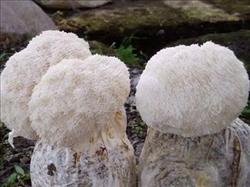
Detailed Explanation of Hericium erinaceus Cultivation Methods and Technical Key Points
How do you cultivate Hericium erinaceus? The following methods for cultivating Hericium erinaceus are provided for reference: 1. Understand the strain characteristics and determine the cultivation season. Hericium erinaceus is a fungus that spawn-runs at medium temperatures and fruits under low-temperature fluctuating conditions. Mycelial growth can occur from 10-33°C, with the optimum at 25-28°C; fruiting body growth can occur from 12-24°C, with the optimum at 16-20°C...
-
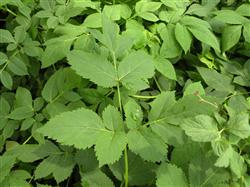
How to grow Angelica sinensis? Planting methods and key technical points
How to grow Angelica sinensis well? Please give guidance. To grow Angelica sinensis, you can refer to the following methods: For transplanted seedlings, loosen the soil and weed 3 to 4 times in 1 year, the first time when the seedlings are 3 to 5 cm tall. Apply topdressing after intertillage and weeding. For the first application, apply 1500 to 2500 kg of dilute human and livestock manure water per 667 sq m; for the second and third applications, apply 2500 to 3000 kg of decomposed...
-
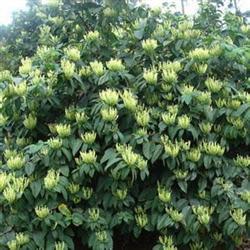
Detailed Explanation of the Trench-Style Cultivation Method and Technical Key Points for Gastrodia elata
1. Flower-Picking Time: The flower-picking time is from 9 to 12 a.m. It is not suitable to pick when there is dew or on rainy days, but if there is drying equipment, picking is also possible. Flowers picked in the morning are blue-white, heavy, easy to dry, strongly fragrant, and have a high commodity yield and good quality. Flowers picked after noon and on cloudy days are poorer in quality and have a low processing rate. From the flower development process...
-
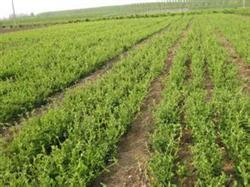
How to Grow Japanese Honeysuckle? A Complete Guide to Methods and Key Technical Points
Japanese honeysuckle (Lonicera japonica) is a perennial tree-form plant grown for its medicinal flower buds; it is cold-tolerant and drought-tolerant, and can grow on barren hills, waste slopes, hilly ridges and sandy beaches. After receiving the honeysuckle seedlings, immediately untie the package, dip the roots in muddy water to improve the survival rate, and plant them promptly. Planting method: row spacing 1.3-1.5 m, plant spacing 0.9-1 m, with the seedling roots planted about 10 cm deep...
-
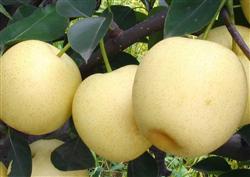
How to manage pear trees in summer? Detailed explanation of key technical points
How to manage pear trees in summer? Here are the methods. Summer is the period of the year when pear trees have the greatest amount of vegetative growth and grow the fastest, and it is also the period when pear trees are most affected by external conditions. Summer management of pear trees can be carried out with reference to the following methods: Soil, fertilizer and water management. Fertilizer and water management. In July, after the early-maturing varieties are harvested...
-
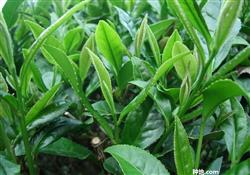
How are biological pesticides used on tea plants? Detailed explanation of methods and technical key points
How are biological pesticides used on tea plants? Please advise. The current tea market, especially tea exports, has very high requirements for tea quality and safety. Biological pesticides, including microbial pesticides and plant-derived pesticides, do not pollute tea or the environment, have very low toxicity to humans and livestock, and leave no toxic residues, so...
-
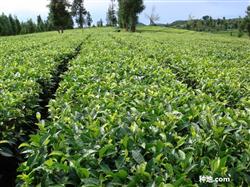
Detailed Explanation of Scientific Topdressing Methods and Technical Key Points for Tea Plants
How to scientifically topdress tea plants? Please provide guidance. Tea fertilization should, on the basis of adhering to the combination of organic fertilizers and inorganic fertilizers, control the total amount of nitrogen fertilizer, especially the amount of nitrogen fertilizer applied in the later stage, so as to improve tea quality. At the same time, pay attention to the combined application of the three major nutrients nitrogen, phosphorus and potassium and the balanced application of medium and trace elements. It is strictly prohibited to apply...
-
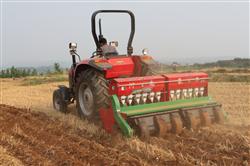
Detailed Explanation of Summer Corn Planting Methods and Technical Key Points
How is summer corn planted? Please give a detailed introduction. To plant summer corn, you can refer to the following methods: 1. Seize the farming season and sow early at the right time. "Spring competes for the day, summer competes for the hour." Summer corn sowing must emphasize seizing the time and sowing early. Timely early sowing can increase the effective accumulated temperature, extend the effective growth period of corn, and make full use of...
条件筛选