Detailed Explanation of Hericium erinaceus Cultivation Methods and Technical Key Points
How do you cultivate Hericium erinaceus? The following methods for cultivating Hericium erinaceus are provided for reference: 1. Understand the strain characteristics and determine the cultivation season. Hericium erinaceus is a fungus that spawn-runs at medium temperatures and fruits under low-temperature fluctuating conditions. Mycelial growth can occur from 10-33°C, with the optimum at 25-28°C; fruiting body growth can occur from 12-24°C, with the optimum at 16-20°C...
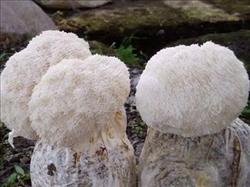
How do you cultivate Hericium erinaceus? Please introduce
The following methods for cultivating Hericium erinaceus are provided for reference:
1. Understand the strain characteristics and determine the cultivation season
Hericium erinaceus is a fungus that spawn-runs at medium temperatures and fruits under low-temperature fluctuating conditions. Mycelial growth can occur from 10-33°C, with the optimum at 25-28°C; fruiting body growth can occur from 12-24°C, with the optimum at 16-20°C. Based on its biological characteristics, inoculation should be carried out around the Autumn Equinox (late September), with 1-2 flushes of mushrooms produced by the Minor Snow period (late November), and another flush in the following spring. In mountainous areas, early spring inoculation in January can also be adopted, with heated spawn-running culture, and mushrooms growing in March-April.
2. Carefully select raw materials and reasonably prepare the culture medium
Cultivation raw materials should meet the conditions for pollution-free edible fungus substrates, requiring freshness, no mold or deterioration, no substances containing toxic or harmful mycelia, and additive content not exceeding 5%.
Relatively reasonable formulas: (1) 40% mixed wood sawdust, 40% cottonseed hulls, 18% wheat bran, 1% sucrose, 1% gypsum powder;
(2) 82% cottonseed hulls, 15% wheat bran, 2% gypsum powder, 1% phosphate fertilizer;
(3) 38% cottonseed hulls, 20% mixed wood sawdust, 20% spent logs from white fungus cultivation, 16% wheat bran, 3% corn flour, 1% phosphate fertilizer, 2% gypsum powder.
The above formulas should have a moisture content of about 60%, and pH 6 before sterilization is suitable. Cultivation bag specifications: 12.3 x 52 cm for spring cultivation, 13.5 x 56 cm for autumn cultivation. Bagging, sterilization, and cooling follow conventional procedures.
3. Optimize the substrate and cultivate strong mother cultures
Hericium erinaceus bags are usually punched with 3-4 inoculation holes. Inoculation must be carried out strictly under aseptic conditions. Note that the bag temperature should drop below 28°C before inoculation. Before inoculation, scrape off the aged surface mycelia and any tumor-like or coral-like fruiting bodies that have already formed. Choose to inoculate on clear evenings or early mornings.
After inoculation, from mycelial germination to full colonization, under suitable environmental conditions, the bag can be fully covered in about 20-25 days. Management mainly involves regulating temperature well. For the first 4 days after inoculation, the indoor temperature should preferably be 26-28°C. From day 5 to day 15, the room temperature should preferably be adjusted to about 25°C. After day 16, it should be controlled at 20-23°C as appropriate. In spring cultivation, natural temperatures are relatively low, so heated spawn-running can be adopted to promote normal mycelial growth and development; in autumn, attention should be paid to preventing high temperatures. During the spawn-running period, dry indoor culture is required, and the relative air humidity should preferably be below 70%, and attention should be paid to avoiding light.
4. Place bags outdoors to induce directional fruiting
Hericium erinaceus is an aerobic fungus, and the cultivation site requires fresh air; an outdoor mushroom shed is relatively ideal. After about 25 days of indoor spawn-running culture, when the mycelia are physiologically mature, they transition from vegetative growth to reproductive growth. Hericium erinaceus often begins to form primordia and differentiate into fruiting bodies before the mycelia have fully covered the bag. Therefore, careful observation is needed, and the bags should be promptly moved to an outdoor shade shed, arranged on racks, and the surface layer of the original spawn block removed to induce uniform directional fruiting.
5. Control the ecology to promote quality improvement
1. Regulate temperature: After the bags are placed in the field, the temperature should be lowered from the original spawn-running period temperature to the optimal fruiting period temperature of 16-20°C for primordium induction. Under suitable temperature conditions, from small buds to developed mushrooms, they can generally be harvested in 10-12 days. When the temperature exceeds 23°C, cauliflower-like deformed mushrooms or bald mushrooms without spines may form, and when it exceeds 25°C, the mushroom bodies may even shrink. Therefore, during the fruiting stage, the following methods should be adopted to control temperature: (1) Increase mist spraying in the space; (2) Irrigate furrow trenches to increase humidity; (3) Thicken the shade shed covering; (4) Stagger ventilation times, uncovering film for ventilation in the morning and evening, and opening both ends of the covering film at noon to allow smooth airflow. Create suitable temperatures to promote smooth growth of young buds.
2. Control humidity: During the growth and development of fruiting bodies, water must be managed scientifically. Different amounts of water should be sprayed according to different conditions such as mushroom body size, surface color, and clear weather. Water spraying must be combined with ventilation to keep the air fresh and allow the fruiting bodies to grow robustly. However, blind excessive water spraying must be strictly prevented, as it can cause the fruiting bodies to rot. The cultivation site must adopt the following measures to create a suitable relative air humidity of 85-90%. (1) Irrigate furrow trenches to increase ground moisture; (2) Point spray nozzles upward to mist the space; (3) Cover the furrow bed tightly with plastic film to retain moisture; (4) During the young bud stage, for rack-layer cultivation, wet gauze or newspaper can be placed on the surface to increase humidity.
3. Strengthen ventilation: Hericium erinaceus is an aerobic fungus. If ventilation is poor, coral-like deformed mushrooms will appear, or contaminating microorganisms will proliferate. Therefore, for outdoor furrow cultivation, the film should be uncovered for ventilation for 30 minutes at 8 AM every day. When the fruiting bodies grow larger, ventilate every morning and evening, appropriately extending the ventilation time. But never let the wind blow directly onto the mushroom bodies, to avoid shrinkage.
4. Moderate light: During the fruiting period, there should be scattered light, generally 300-600 lux illuminance. For the outdoor shade shed, follow the principle of "three parts sun and seven parts shade, with dappled sunlight able to shine through" to meet the needs of fruiting body growth.
6. Harvest at the right time and skillfully manage regenerated mushrooms
From the appearance of mushroom buds to the maturity of fruiting bodies, under suitable environmental conditions, Hericium erinaceus can generally be harvested in 10-12 days. Some can even mature early and be harvested in 8-10 days. Signs of maturity: the mushroom body is white, the spines are rough, and it begins to discharge spores, with a thin layer of white powder accumulating on the surface of the bag. The maturity for harvest is determined according to the requirements of the Hericium erinaceus market.
Hericium erinaceus can generally be harvested for 3 flushes, and some can even yield 4 flushes, but the first 1-2 flushes have high yield and high quality, generally accounting for 80% of the total yield. Methods for cultivating regenerated mushrooms: After the first flush is harvested, stop spraying water for 3 days; uncover the film and ventilate for 12 hours to let the surface of the mushroom roots shrink after harvest and prevent mold; then adjust the temperature to 23-25°C. Allow the mycelia to accumulate nutrients. After about 5 days, primordia appear, and after about 10 days, young buds can form. At this time, lower the temperature to 16-20°C, raise the air humidity to about 90%, and the fruiting bodies will grow healthily. The entire production cycle ends in 60-70 days under normal temperature conditions, and the biological conversion rate is generally 90-100%.
Click to get more Hericium erinaceus cultivation techniques
Click to get more edible mushroom cultivation techniques