-
-
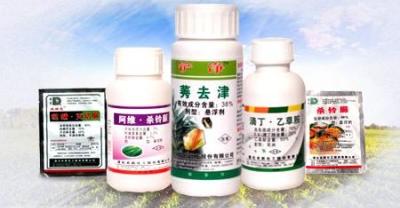
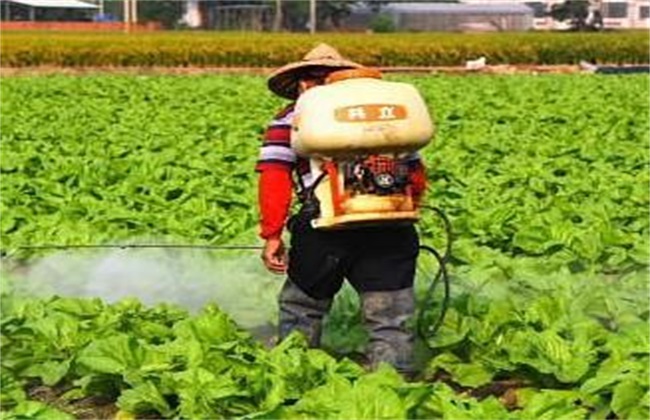
What precautions should be taken when mixing pesticides? Includes a table of pesticides that must not be mixed
Mixing pesticides is a very common pesticide application method nowadays, because the rational mixing of pesticides can improve the control effect, delay the development of pest and disease resistance, improve...
-
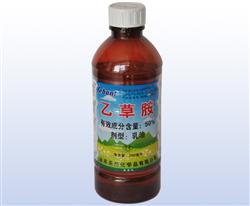
What precautions should be taken when using acetochlor in dryland?
What should be noted when using acetochlor in dryland? Please give an introduction. When using acetochlor in dryland, the following four points should be noted: Soil moisture. A certain level of soil moisture helps improve the weeding effect. If continuous drought weather occurs during the application period, the weeding effect will be greatly reduced. Therefore, watering first to increase soil moisture and then applying the chemical is...
-
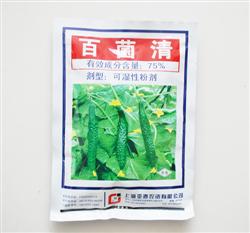
What precautions should be taken when using fungicides?
What should be noted when using fungicides? When using fungicides, note the following: 1. When choosing a fungicide, first understand the nature of the fungicide. There are two types of fungicides. One is a protective agent, which is used to prevent plant disease, such as Bordeaux mixture, mancozeb, carbendazim, etc.; the other is...
-
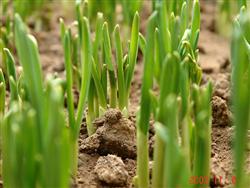
What precautions should be taken when using herbicides in farmland?
How should herbicides be applied to chive seedlings? Please advise. Chives are relatively sensitive to acetochlor, so acetochlor should not be used for soil-closure treatment. After sowing chives and before emergence, prometryn, pendimethalin, and butralin can be used for soil-closure treatment. Among them, prometryn is mainly used to control broadleaf weeds, while pendimethalin and butralin...
-
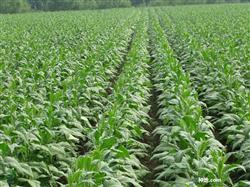
What precautions should be taken when dressing seeds with powder-form pesticides?
How should herbicides be used on tobacco? Please provide guidance. Tobacco has small seeds and slow-growing seedlings, and is often harmed by weeds. The main weeds include: green foxtail, Chinese sprangletop, early barnyardgrass, goosegrass, shortawn foxtail, cocklebur, flatsedge, cleavers, chickweed, plantain, dandelion, and others. Weed control in tobacco fields...
-
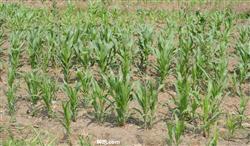
What precautions should be taken for chemical weed control in corn fields?
What should be noted when using chemical weed control in corn fields? Please explain. Currently, chemical weed control in corn fields accounts for about 70% of the corn planting area. Most of the herbicides used in production are atrazine plus acetochlor or their compound formulations. However, because atrazine has a long residual effect and poses a threat to the safety of subsequent crops, it is not...
-
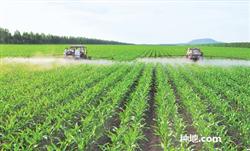
What precautions should be taken when applying herbicides to corn seedlings?
What should be noted when applying herbicides to corn seedlings? Here is an introduction to chemical weed control technology in corn fields, which saves labor, saves effort, requires low input, and delivers high benefits. In recent years, the area where post-emergence herbicides for corn are applied in China's corn-producing regions has been expanding year by year. Because some applicators lack adequate application skills, some fields have experienced herbicide damage of varying degrees and...
-
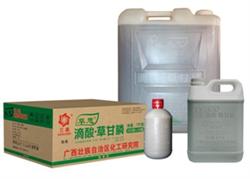
What precautions should be taken when using glyphosate for weed control?
What should be noted when using glyphosate for weed control? Please give an introduction. When using glyphosate herbicide, read the instructions carefully and thoroughly, because glyphosate herbicide is a systemic, broad-spectrum, non-selective herbicide that mainly inhibits enolpyruvyl shikimate phosphate synthase in plants, thereby inhibiting the conversion of shikimate to shikimic acid, prephenic acid...
-
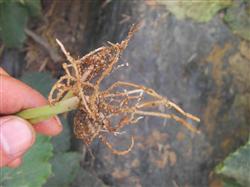
What precautions should be taken when drenching roots with fungicides? Correct operation is key
What issues should be noted when drenching roots with fungicides? Please explain. To prevent vegetable root diseases, vegetable growers commonly drench roots with fungicides. Although the effect is good, certain precautions during root drenching must not be ignored, otherwise there will be side effects. First, greenhouses that have already used bacterial fertilizer should try not to use fungicide root drenching for disease prevention. For...
条件筛选