-
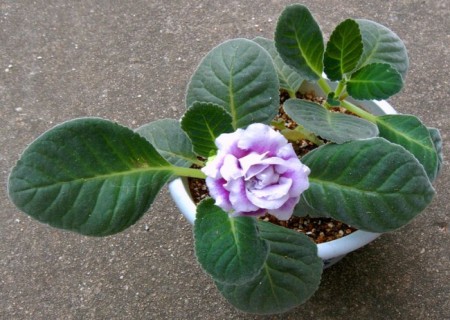
Summary of common Gloxinia care problems, all answered clearly in one go
The Gloxinia growing methods and precautions in this article are all practical stuff. It gathers questions posted by some flower lovers about Gloxinia, then, based on experience and the answers from flower lovers, it is reworked a second time. It is very helpful for flower lovers to understand Gloxinia, and flower lovers can use this article to gain a more comprehensive understanding of Gloxinia.
-
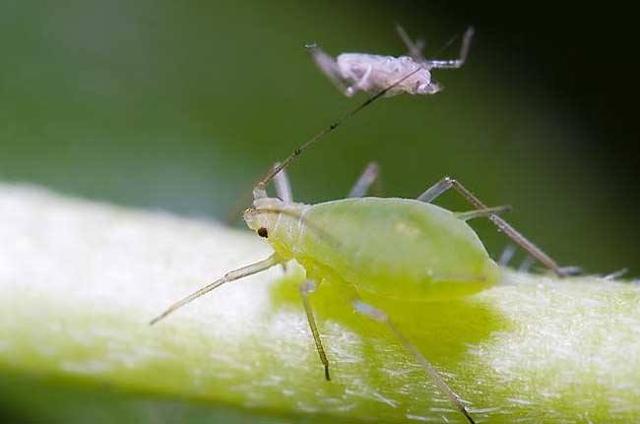
What to Do When Aphids Appear on Flowering Plants? A Summary of Highly Effective Aphid Control Methods
Flowers and plants often attract aphids, and their destructive power is strong. They usually attach to the underside of plant leaves, then suck the plant's sap; the leaves gradually turn yellow, and the plant gradually becomes stunted and cannot grow tall. In severe cases, the flowers may even wither. Spring and autumn are the seasons when aphids are most prevalent.
-
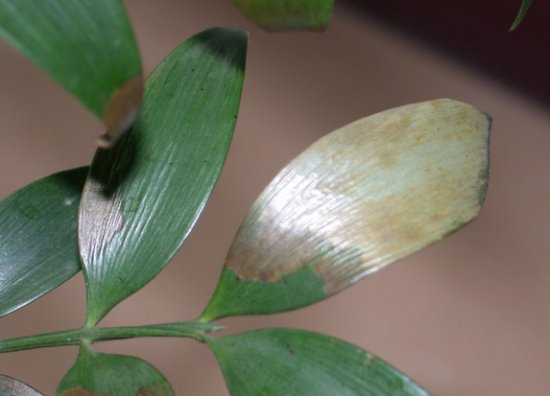
Summary of 10 reasons why potted flower leaves turn yellow
Summary of 10 reasons why potted flower leaves turn yellow 1. Water-related causes. Overwatering leads to root rot, while infrequent watering and dry air also cause problems. 2. Temperature too high. Direct exposure to sunlight can easily cause scorching at leaf tips or edges. 3. Lack of light. If placed in a shady spot for a long time, the leaves will appear withered and yellow
-
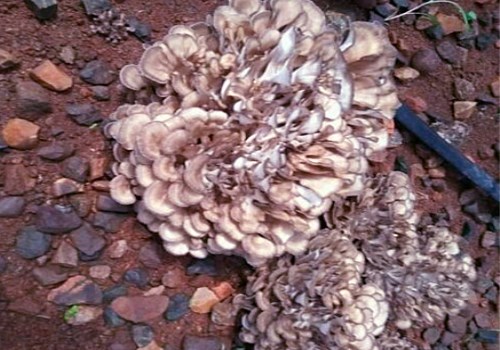
How to grow Grifola frondosa? A summary of 6 key points of high-yield cultivation techniques
Grifola frondosa, commonly known as maitake, is an edible and medicinal mushroom, often found growing wild around chestnut trees in summer and autumn. So how do you grow Grifola frondosa? What are the environmental requirements for its growth? Below, we introduce the 6 key points of high-yield cultivation techniques for Grifola frondosa. What are the environmental requirements for the growth of Grifola frondosa?
-
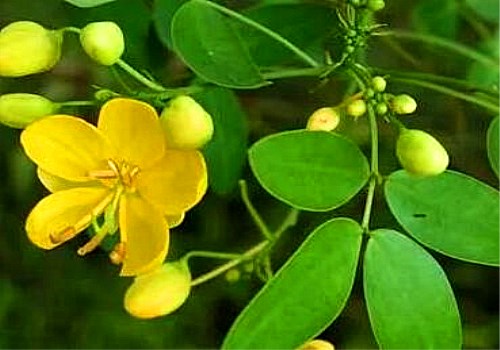
How to grow the medicinal plant cassia seed? Summary of 8 key cultivation techniques
Cassia seed, also known as cassia tora and false mung bean, is a plant of the Fabaceae family. The seeds of cassia seed are used medicinally and have the effects of relieving constipation, clearing the liver, and improving eyesight, and can effectively treat symptoms such as headache and dizziness, glaucoma, and constipation. Next, this article introduces the cultivation techniques for the medicinal plant cassia seed. Growth habits of cassia seed
-
A Summary of Essential Knowledge for Succulent Growing Beginners
Succulents have a healing effect. When everyday stress is overloaded, spend 10 minutes tidying them up and a happy mood arrives right away. For succulent care, patience is most important. If you are not...
-

A Summary of the Basics of Household Flower Cultivation
As people's quality of life improves, household flower cultivation has become an indispensable lifestyle for those who stay at home. But do you really understand household flowers?
-

A Summary of Common Household Flower Pests and Diseases and Their Control Measures
Growing household flowers is currently a way for people to cultivate their character. It is understood that the vast majority of people in our country grow greenery and seedlings at home, because it can cultivate sentiment and also purify the air, but during the growing process, they also encounter attacks from diseases.
-
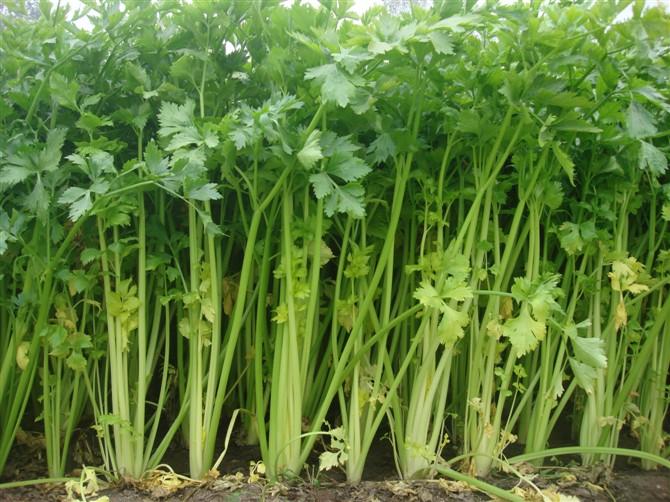
How to grow celery in summer? A full summary of practical growing techniques
Growing celery in summer: a big summary of practical techniques
条件筛选