Summary of 10 reasons why potted flower leaves turn yellow
Summary of 10 reasons why potted flower leaves turn yellow
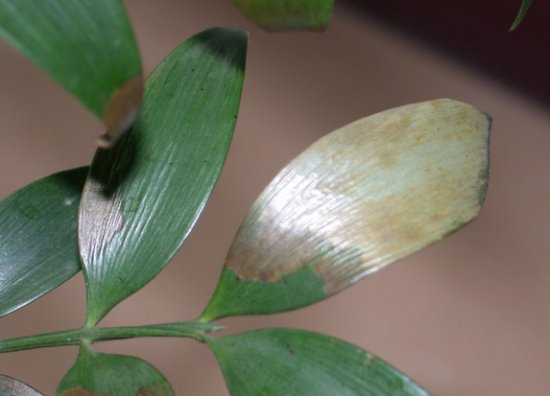
1. Water-related causes. Overwatering leads to root rot, while infrequent watering and dry air also cause problems.
2. Temperature too high. Direct exposure to sunlight can easily cause scorching at leaf tips or edges.
3. Lack of light. If placed in a shady spot for a long time, the leaves will appear withered and yellow.
4. Severe lack of fertilizer. If no fertilizer is applied for a long time, the plant will show weak, thin, and yellowing branches and leaves.
5. Over-fertilizing. Improperly applying too much or too concentrated fertilizer will cause the leaf edges of the plant to turn scorched yellow.
6. Soil alkalinity too high. When the soil is alkaline but not very severely so, the leaves will turn yellowish-white.
7. Soil acidity too high. Flowers that are suited to alkaline soil, if planted in acidic soil, may show poor branching and weak, yellowing branches and leaves.
8. Poor air and light permeability. Branches and leaves grow too densely, blocking air circulation, and sunlight cannot reach the whole plant, causing yellowing leaves.
9. Indoor air too dry. In winter, heating by fire or radiators can easily cause scorching at leaf tips or edges, scorched spots on leaves, and leaf curling.
10. Strong irritation. Watering with highly concentrated chemical fertilizers and pesticides can easily cause branches and leaves to wither and yellow. Damage from pests and diseases. When diseases occur, external symptoms such as white powder, black spots, mold layers, and rust-like substances often appear.