-

Why did the land requisition conflict lead to such a horrific clash?
Illegal detention of personnel, throwing homemade Molotov cocktails... The details of this conflict that took place in Jinning County, Yunnan Province, are shocking and have aroused strong attention from all sectors. In addition to the horrific nature of the incident, topics surrounding the project's land requisition and demolition compensation have also drawn widespread attention,
-
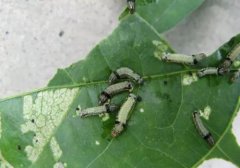
What are natural enemy insects? An introduction to common natural enemy insects such as green lacewings
What are natural enemy insects, what characteristics do they have, what do they mainly eat? Using natural enemy insects to control pests is a special control method that can reduce environmental pollution and maintain ecological balance. The mass rearing and use of natural enemy insects in China have achieved remarkable
-
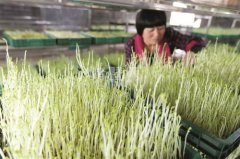
How to grow sprouts at home? A detailed guide to home growing methods
Sprouts can be grown in several ways; some are suited to water culture, while others require soil culture. First, let's talk about water-cultured sprouts. Among the sprouts suited to water culture, the most standard and most popular are alfalfa sprouts and mung bean sprouts; in addition, soybeans and black beans can also be grown without soil, as long as
-

Is cranberry useful for mold infections and gynecological inflammations such as cervicitis?
Cranberry, also known as lingonberry, is a plant that grows in North America (especially Massachusetts). In recent decades, it has been widely used to prevent or treat bacterial infections of the urinary tract and vagina. What are the benefits of this fruit? Is it really helpful for gynecological inflammation?
-
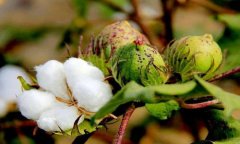
Does cotton cultivation really have such a harmful effect on soil improvement?
India is an important cotton-producing country in the world. However, in India, non-genetically modified cotton seeds are almost impossible to find now, because the native cotton seeds have already run into problems. This is something we on the consumer and user end cannot feel. About ten
-
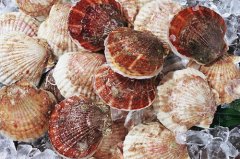
Assessment of halving tariffs on processed imported agricultural and fishery products such as sea scallops and yams
Tariffs on imports of agricultural products and processed foods such as sea scallops, yams, satsuma mandarins, and prepared milk skin could be halved! In response to requests from industry operators, the Ministry of Finance is reviewing the possibility of reducing tariffs on agricultural and fishery products, processed foods, and grain alcohol. Of these, 5 items are related to the Council of Agriculture, and after review the Council of Agriculture's International Division believes the impact on the relevant industries will be limited.
-
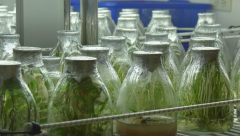
Taiwan's Endangered Plant List: Introducing Species Such as the Yellow Water Lily
Did you know? Many native plant species are silently disappearing from the face of the Earth. Research shows that one in every five plant species on Earth is at risk of extinction. In fact, you and I can both keep these plants from vanishing and let them continue to live
-
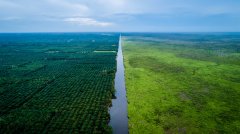
In 2018, 3.6 million hectares of primary forest were lost to commodities such as beef and palm oil
The Guardian reports that according to satellite analysis by the World Resources Institute, part of Global Forest Watch (GFW), a total of millions of hectares of primary tropical rainforest were destroyed in 2018, mainly because of beef, chocolate and palm oil
-
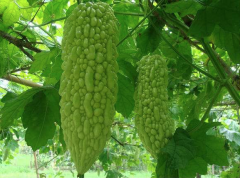
New Large-Fleshed Green Bitter Melon Variety: Nutrients of the Powder-Green Bitter Melon and How to Remove Its Bitterness
The powder-green bitter melon, also known as the green-fleshed bitter melon, sometimes this type of bitter melon bears few fruits, and it is also a fairly common bitter melon on the market, so do you know how this kind of bitter melon can be eaten? What nutrients does it have? Bitter melon can be eaten raw or cooked, and its nature
-
How to Treat Soilborne Diseases? A Detailed Guide to Effective Control Methods
Soilborne diseases refer to diseases caused by pathogens such as fungi, bacteria, nematodes and viruses that live in the soil along with diseased plant residues and, when conditions are suitable, attack crops through the roots or stems. So, how do you treat soilborne diseases? 1. How to treat soilborne diseases. 1. Elimi
条件筛选