-
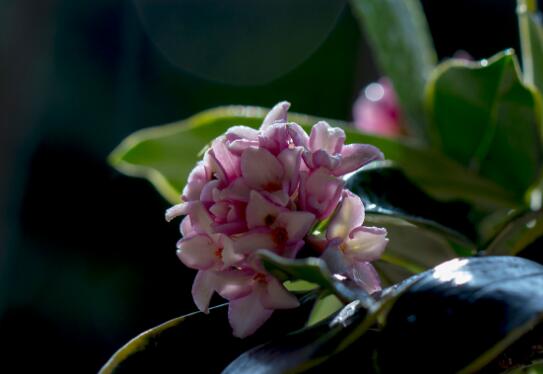
Spring cutting method for Daphne odora 'Aureomarginata': choose healthy branches and a well-draining substrate
Daphne odora 'Aureomarginata' is a highly ornamental flowering plant. It can be seen in many regions of our country, and many people grow it in various places. However, as more people grow it, questions about its propagation have also drawn attention. The main propagation method for Daphne odora 'Aureomarginata' is cutting.
-
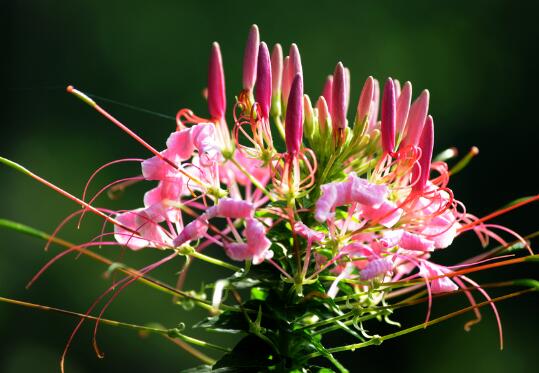
Spider Flower Sowing Time and Planting Method: The Substrate Must Be Sterilized Before Sowing
Among the propagation methods for the spider flower (Cleome hassleriana), sowing is a relatively common one, and having been tested by countless people, it still has a very high survival rate. However, there are many points to pay attention to if you want to grow it from seed. When should the spider flower be sown? What is the planting method for the spider flower?
-
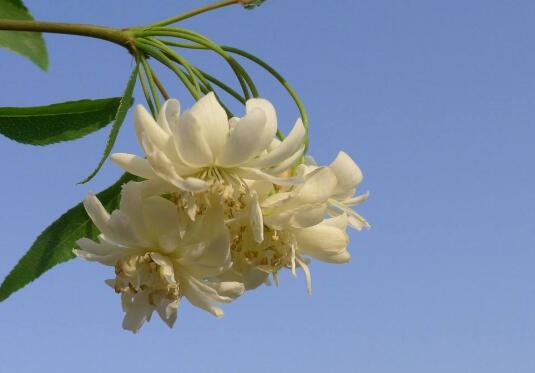
How to propagate Rosa banksiae (Lady Banks' rose) from cuttings? Good substrate drainage is key
Among the propagation methods for Rosa banksiae, there are five: seed sowing, cuttings, division, layering and grafting, among which propagation by cuttings is a relatively common method and also has a fairly high survival rate. So how do you take cuttings of Rosa banksiae? What is the cutting method for Rosa banksiae? Below, the editor will walk you through it.
-
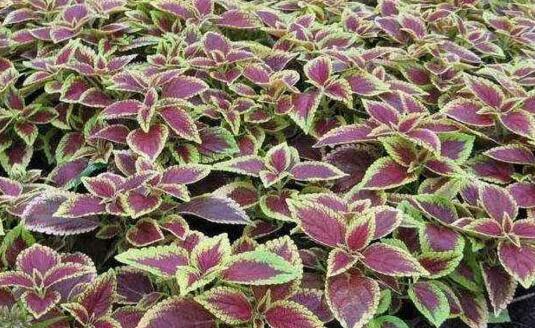
How to Propagate Coleus? Seed Propagation Requires Choosing a Good Substrate
Coleus is famous for its unique leaf colors, and since its cultivation method is simple, more and more people are growing it. When coleus grows to a certain stage, it needs to be propagated. So how do you propagate coleus? The editor will introduce several common cultivation methods for coleus.
-

How to prepare mushroom growing substrate? Sharing a family recipe
Making a good mushroom growing substrate is key. You can choose mold-free corn cobs and crush them to the size of broad bean grains, using 80% corn cobs, 12% rice bran, 4% cornmeal, 1% gypsum, 1% superphosphate, 2% lime. Weigh out the required amount of each material. To improve its nutritional value, you can add fermenting agents such as JINBAOBEI fermenting agent at about 5% to improve fermentation quality, mix thoroughly, add water and stir evenly. The moisture content should be 65%, that is, when you squeeze the substrate in your hand with moderate force, water should appear between your fingers but not drip down. The material should be fully
-
Detailed Explanation of New Technology for Indoor Shelf-Style Sterilized Substrate Cultivation of Tricholoma lobayense
Tricholoma lobayense is a rare mushroom species newly developed in recent years. It fruits at relatively high temperatures and is suitable for cultivation from late spring to mid-autumn. It solves the problems of variety matching for year-round cultivation in mushroom houses and the limited area and few varieties for edible mushroom cultivation in summer that cannot meet market demand, and it has broad development prospects. At present, cultivation methods and management practices vary from place to place, so fruiting and yields are also very unstable, and mushroom death is especially likely to occur at the primordium stage. Because the indoor temperature difference between day and night is small (cultivation and fruiting are even better in houses with earthen walls), mushroom death caused by sudden high-temperature weather outdoors will not occur;
-
Key Technical Points for Over-summering Management of Semi-cooked Substrate Cultivation of Nameko Mushrooms
In the Dandong area, from mid-June each year, the weather shifts from dry and muggy to the continuous rain season, with persistent drizzle and no adequate sunlight for more than 10 days, high temperatures and high humidity, resembling "sauna" weather. From mid-July until the opening of the beds, there is again scorching sun, and the spawn bags in a high-temperature, high-humidity environment are highly prone to spawn degeneration or invasion by pests and diseases, causing the spawn beds (bags) to become soft and rotten after opening or after the first watering, resulting in varying degrees of economic loss for mushroom growers. Based on our cultivation practice in recent years, we have mastered a set of over-summering management methods. The key management points are introduced as follows:1
-
Detailed Explanation of Bag Cultivation Technology for Shaggy Mane (Coprinus comatus) Using Fermented Substrate
I. Cultivation Timing and Spawn Selection (1) According to the actual conditions of each mushroom grower, substrate production is carried out in winter, spring, and autumn respectively. Since shaggy mane has the characteristic of not fruiting without casing soil, spawn bags can be mass-produced during the slack farming season, and casing soil applied 20-30 days in advance according to market demand for fruiting. (2) Select varieties with plump fruiting bodies, moderate individual size, few scales, disease resistance, and high yield. For fresh sales, choose solitary-growing varieties; for salting, choose cluster-growing varieties. II. Substrate Formulas Formula 1: cottonseed hulls 58%, corncob 30%, nitrophosphate-potassium 2%
-
Detailed Explanation of High-Yield Cultivation Techniques for Ganoderma lucidum Using Short Logs with Sterilized Substrate
Short-log sterilized-substrate cultivation is a relatively fast-developing new technique for cultivating Ganoderma lucidum (reishi) in recent years. On average, more than 20 kg of dried mushrooms can be harvested per cubic meter of wood, with high yields reaching more than 30 kg, a 20% increase over conventional cultivation methods. The reishi produced is firm and thick in texture, glossy, and higher in acid content than bag-cultivated reishi, with more than 90% of the product meeting export requirements. 1. Cultivation season: Ganoderma lucidum belongs to the medium-to-high temperature type of fungi, and its yield is related to the tree species of the logs, cultivation time, and cultivation techniques. Inoculation time can be arranged from late October to December
-
How can spent mushroom substrate be reused? Here are several practical methods
In rural areas, some mushroom growers lack awareness of environmental protection. After the growing season ends, they move the spent substrate out of the mushroom house and let it rot in the open, which both pollutes the environment and wastes a usable resource, which is truly a pity. How can spent mushroom substrate be turned from waste into treasure? Here are 4 methods for reusing spent mushroom substrate that you might want to try. 1. As a substrate for cultivating shaggy ink cap mushrooms (Coprinus comatus). Spent substrate from mushroom cultivation, as long as the mycelium grew well and the substrate was not contaminated by competing microorganisms, can be sun-dried and crushed, then added at 30% to new substrate for cultivating shaggy ink cap mushrooms, and its economic benefit
条件筛选