-

Control Methods for Mushroom Mycelium Failing to Grow into the Substrate
About 10 days after spawning, the mushroom mycelium should visibly grow into the substrate. If this is not the case, it is due to causes such as the compost being too wet or too thick, the interior of the substrate being too dry, or the substrate layer being compacted. The cause should be identified promptly to create favorable conditions for mycelial growth. Although a dry surface is not a problem, never spray water on the bed surface while cultivating the mycelium. If the interior of the substrate is too dry, supplemental nutrient water should be added to the substrate: for every 100 sq m, use 0.9 kg of soybeans, soak them until swollen and grind them into about 90 kg of juice, add 45 yeast tablets, 27 vitamin B1 tablets, and 0.45 kg of white sugar
-
Mushroom spent substrate can be used to feed fish; fish farmers should stop throwing it away as waste
In places where mushrooms are cultivated, a large amount of discarded mushroom spent substrate is produced every year. This mushroom spent substrate is rich in crude protein, crude fat and nitrogen-free extract, and also contains minerals such as calcium, phosphorus, potassium and silicon, so it is quite nutritious. Therefore, it can be used as a good feed for fish. The method for feeding fish with mushroom spent substrate is: each time the mushroom house removes mushroom spent substrate, first pick out mud clumps, gravel, iron nails, broken glass and other miscellaneous items from the substrate, then move it into sunlight to dry, and crush it into powder with a grinder; then, according to the proportion of feed
-
How to use fermentation aids in mushroom cultivation substrate
Using fermentation aids to make edible mushroom substrate has the characteristics of fast fermentation, thorough fermentation, being able to ferment at both high and low temperatures, greatly shortening the conventional fermentation production time, reducing labor intensity, and lowering costs; it also has the characteristics of "broad-spectrum" fermentation (it can ferment almost all organic materials that need fermentation) and "strong adaptability" (it has relatively loose requirements for environmental conditions). Comparative trial demonstrations of the Jinbaobei edible mushroom cultivation substrate fermentation aid produced by Beijing Huaxia Kangyuan Technology Co., Ltd. show that this fermentation microbial agent is more
-
Production Method and Management Technique Highlights for Sanghuang (Phellinus linteus) Cultivation Substrate
Production and Management Techniques for Sanghuang Cultivation Substrate
-

Soilless (substrate) vegetable cultivation: how much profit is there?
The key feature of soilless cultivation is growing plants without the nurturing of soil. Of course, soilless cultivation has advantages, but it also has disadvantages. First, let's introduce the advantages...
-

Detailed Explanation of Key Points of Eggplant Substrate Bag Cultivation Technology
Eggplant is one of the main facility-cultivated vegetables in China. With hot summers and frequent heavy rain, and cold winters with little sunlight, facility eggplants are usually produced in two crops per year, and mainly early spring...
-
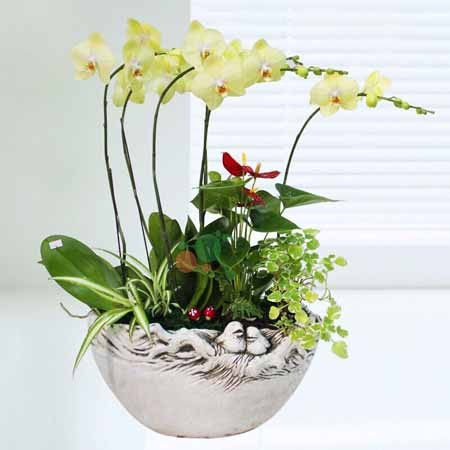
Method for Preparing the Potting Substrate for Potted Anthurium
For home potted anthurium, a composite substrate can be made by mixing peat soil, perlite and bone meal evenly, and coarse sand should be placed at the bottom of the pot to help drainage. Before potting the anthurium, the soil substrate must be sterilized. Place the anthurium plant upright in the center of the pot, fill with potting soil up to the pot surface, and be careful to expose the growing point in the center of the plant and the small leaves at the base.
-
How to Add Gypsum and Lime to Mushroom Substrate and Disease Identification
How to Add Gypsum and Lime to Mushroom Substrate
-
Edible Mushroom Pest and Disease Control Methods and the Utilization of Dry Rice Straw as a New Substrate
Dry Rice Straw as a New Substrate for Edible Mushrooms
-
Safety Requirements for Non-Polluted Cultivation Substrates for Edible Fungi and Disease Identification Methods
Non-Polluted Food: Safety Technical Requirements for Edible Fungus Cultivation Substrates
条件筛选