-
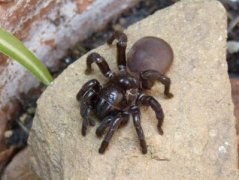
Getting Started with Tarantula Keeping: Essential Tools and Substrate for Beginners
What tools are needed for keeping tarantulas? What substrate is best for tarantulas. Essential tools for keeping 1. Enclosure: You can choose an acrylic box or a plastic enclosure, or even buy a storage box and drill holes in it. Basically, the size just needs to be 1 to 2 times the tarantula's leg span.
-
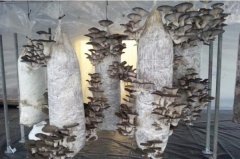
Can Coffee Grounds Be Used to Grow Mushrooms? A Detailed Guide to Substrate Recipes
Do you know what coffee grounds are good for? As far as we know, they can be used as a raw material for dehumidifying and deodorizing, and they are also rich in nutrients. Because of these rich nutrients, some people saw a business opportunity and started using coffee grounds to grow mushrooms,
-
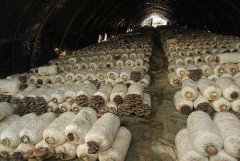
Using coffee grounds to grow mushrooms has many clever uses; how much is a ton of spent mushroom substrate?
What are some of the clever uses of coffee grounds? Coffee grounds are usually treated as waste, but they actually have many clever uses, such as being used to remove odors, and they can also be used as soil for growing mushrooms. Coffee grounds contain a large amount of antioxidants and are very suitable as a nutrient source in soil.
-
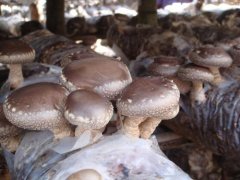
How to grow mushrooms on coffee grounds: cultivation and growing method, can spent mushroom substrate be reused?
Coffee shops today produce a fairly large amount of coffee grounds every day, so someone discovered that coffee grounds can be used to grow mushrooms, and this is a usable resource. Coffee grounds are an excellent medium for growing mushrooms (especially suitable for oyster mushrooms). Here we should thank the coffee brewing process
-
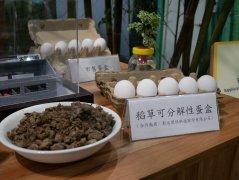
Can Rice Straw Make Egg Cartons? Mushroom Spent Substrate Becomes Great Soil for Growing Strawberries
How can agricultural environmental protection be done? Mountains of rice straw and rice husks, and the headache-inducing waste from mushroom-growing space bags, can also return to agriculture for a second life of use! From now until April 24, the "Sharing Nature" special exhibition is currently being held at the Intelligent Agriculture Pavilion in the Waipu Park of the Taichung World Flora Exposition. Come learn how far Taiwan, China's agricultural technology has developed.
-

When to plant oyster mushrooms? A detailed guide to fermented substrate cultivation techniques
The oyster mushroom is a fairly common edible fungus, also known as the side ear, black peony mushroom, oyster cap mushroom, and so on. The oyster mushroom has high edible value, being rich in protein, amino acids and minerals; in addition, it also has certain medicinal value, with effects such as stimulating the circulation of meridians and dispelling cold.
-
The Most Reasonable Fermented Substrate Formula for Growing Oyster Mushrooms on Corncobs, High-Yielding and Nutritious
Abstract Formula 1: corncobs 100kg, wheat bran 10-15kg, urea 0.3-0.5kg, monopotassium phosphate 0.1kg, quicklime 3-5kg, carbendazim 0.1%. Formula 2: corncobs 85%, wheat bran 10%, urea 0.4%, superphosphate 1%, lime 4%, carbendazim 0.1%.
-
What are the cultivation methods for Dendrobium huoshanense?
Summary Substrate: The substrate is granite gneiss. Watering: After planting, water twice in succession, then water later according to the dryness and moisture of the growing medium. Fertilizer: Organic and inorganic fertilizers can be applied. Temperature: The suitable growing temperature is 20°C-28°C, and the humidity is around 70%. Shading: In summer
-
How to Grow Dahlia? Detailed Guide to Planting Methods and Key Techniques
Abstract Cutting propagation: The substrate can be made from garden soil or leaf mold mixed with an appropriate amount of river sand. Take cuttings from February to May. After inserting the cuttings, firm the soil and water thoroughly. You can cover with plastic film or build a shade shed, and uncover the film daily for ventilation. Planting out: About 30 days after cuttings are taken, they can be planted out, with a plant spacing of 30cm and a row spacing of 40cm. After the seedlings recover, pinch off the growing tips, and carry out regular hoeing and weeding. Fertilizing: Dahlia is a heavy feeder. Apply sufficient basal fertilizer before planting, and apply appropriate topdressing during the early growth stage and the bud stage.
-
How to Grow and Care for Nobile Dendrobium (Spring Dendrobium) and Points to Note
Summary Potted substrate: You can choose to grow it in a ceramic pot, using moss as the substrate, and a small amount of granular material can be filled at the bottom. Temperature: When the room temperature is kept above 5°C, it can overwinter safely, and it usually needs to be placed in a spot with ample light for growing. Watering: It needs to be watered with neutral to slightly acidic
条件筛选