-
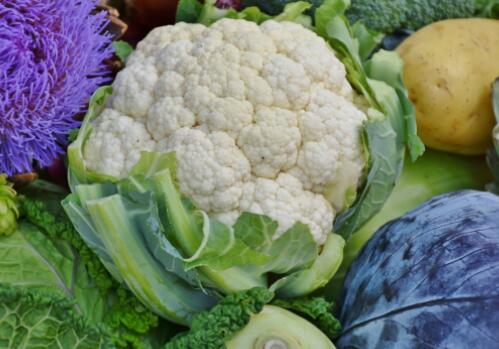
Cauliflower Planting and Harvest Time, Growth Cycle, Differences from Broccoli, and Storage
Cauliflower, also known as flowering cabbage, cauliflower head, or broccoli flower, cabbage flower, foreign cauliflower, and ball cabbage, is a very popular vegetable. So when is cauliflower planted and harvested? How long is its growth cycle? What is the difference from broccoli? What are the storage and freshness-preservation methods
-

High-Yield Welsh Onion Cultivation and Winter Storage Techniques
Welsh Onion Winter Storage and High-Yield Cultivation Techniques 1. Variety selection: Choose varieties suited to the local area, such as Dawutong, Qishafeng, the "Erjiu series", etc. 2...
-

Detailed Explanation of Methods for Storage and Preservation of Tea Plant Vegetative Propagules
Direct field preservation of tea plant vegetative propagules requires a large amount of land and labor, so long-term preservation techniques for tea roots, seedlings, seeds and pollen have been studied. Root preservation involves sterilizing the lignified roots before spring sprouting, storing them together with sterilized semi-dry soil or sphagnum moss in plastic bags, and placing them in an environment of 1-5°C. After 7 years of storage, the occurrence of adventitious buds can reach up to 70%. Stored at 1°C for 6 years, the roots can still regenerate. Under low-temperature storage conditions, the consumption of carbohydrates in root tissues
-
Detailed explanation of sweet potato storage techniques, teaching you to store them longer
I. Common problems during sweet potato storage Sweet potatoes are prone to chilling injury, sprouting and rot during storage. Sweet potatoes like warmth and fear cold and damp; the suitable storage temperature is 10-14°C, and the relative humidity is about 80%. Below 10°C, chilling injury easily occurs, with sunken patches appearing on the skin, leading to rot. Sweet potatoes have no physiological dormancy period. During storage, if the temperature is relatively high (15-20°C), the relative humidity is above 85%, and ventilation is poor, they will sprout at any time. Sprouting consumes internal nutrients, making them unfit to eat. The skin of sweet potatoes is thin,
-
Maintenance Methods and Storage Key Points for Cotton Seeders
During the use of agricultural machinery, due to natural and human factors, the performance of parts and components will degrade or be lost. Therefore, the technical maintenance of agricultural machinery is extremely important. Correct maintenance and storage can greatly increase the service life of agricultural machinery, avoid premature wear of parts, and keep the machinery in good technical condition. Through the promotion of 514,000 mu of machine-picked cotton in Shawan County this year, the author has summarized some key points for doing a good job in the maintenance and storage of cotton seeders. The maintenance of cotton seeders is divided into three types of maintenance: pre-operation maintenance, in-operation maintenance, and post-operation
-
What are the storage methods for damp cotton?
1. Seed cotton should be stored in a warehouse, and the warehouse must be kept dry. Lay clean, dry bricks on the ground, leaving a certain gap between the bricks, with a width of no less than 20 cm, to ensure air circulation; lay bamboo mats or reeds, etc. on the bricks, then pile the cotton on top. 2. The cotton picked back should not be dried directly on the ground; it should be spread on a bamboo bed or a raised bamboo curtain to dry, which is faster and will not mix in three-strand contaminants. When the cotton is dried until the cottonseed makes a crisp crackling sound when bitten with the teeth, the moisture content of the seed cotton is generally around 7.5%, which can satisfy long
-
Key points of fresh tea preservation and storage technology: tea leaves are less likely to deteriorate even after long storage
● Vacuum extraction and nitrogen filling preservation. Vacuum extraction and nitrogen filling preservation uses nitrogen to replace the air inside the packaging bag, preventing tea oxidation and thereby achieving the goal of preventing tea aging and deterioration. When green tea is packaged with nitrogen in aluminum foil bags, after 6 months of storage, the vitamin C content can remain above 96%. During the nitrogen filling process, special attention must be paid to the firmness of the packaging bag seal, and insufficient nitrogen filling or gas leakage must be prevented. Before nitrogen filling packaging, first extract the air from the bag to create a vacuum state, then fill it with nitrogen and
-
Detailed Explanation of Tea Seed Storage Methods and Technical Key Points
Technical measures for storing tea seeds so they do not deteriorate and affect the germination rate. Tea seeds are large seeds, and the seed kernel has a relatively high moisture content. Under ordinary temperature, humidity and air conditions, the moisture content of stored tea seeds has a great influence on their viability. When the moisture content is below 20% or above 50%, the germination rate of tea seeds drops significantly, while the germination rate is highest when the moisture content is around 30%. Therefore, during storage of tea seeds, the moisture content should be kept at around 30%. The suitable storage conditions for tea seeds are a temperature of 5-7°C, a relative humidity of 60-65
-
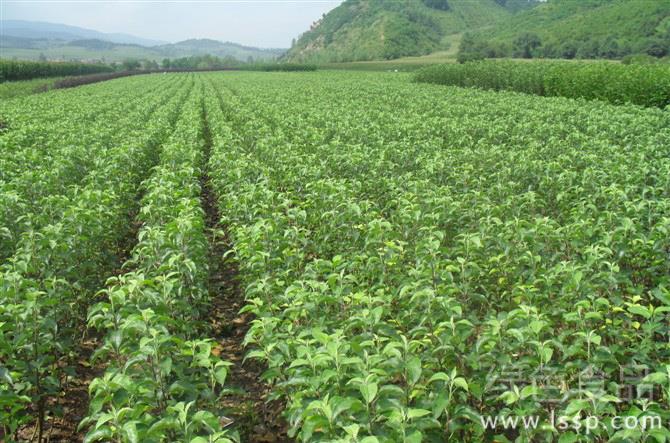
How to properly store fruit tree saplings using the trench storage method
How to properly store fruit tree saplings using the "trench storage method"
-
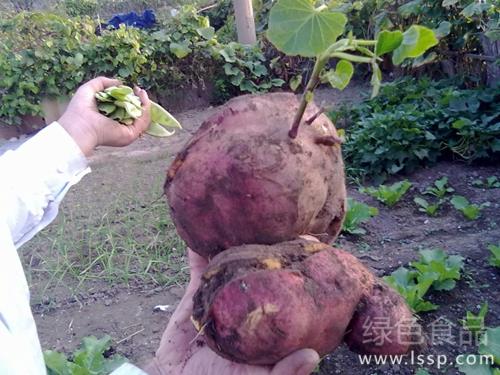
Sweet potato cracking affects sales and storage; how can it be prevented and controlled in a targeted way?
Sweet potato cracking affects sales and storage; how can it be prevented and controlled in a targeted way? Sweet potato cracking
条件筛选