How to properly store fruit tree saplings using the trench storage method
Fruit tree saplings
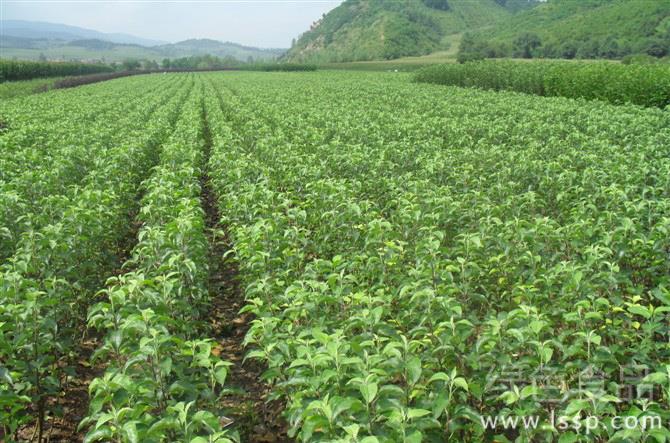
After fruit tree saplings are dug out of the nursery in autumn, if they are not planted immediately, they must be stored properly until they are planted in early spring the following year. How well the saplings are stored over winter not only affects the survival rate, but poor selection of terrain and soil or improper storage techniques can also cause the saplings to rot, lose water, and even die.
Using the trench storage method to store fruit tree saplings is simple, saves manpower, materials and money, and the storage results are also very good. The experience of storing saplings with this trench method is introduced as follows:
Selection of the storage trench. Choose a place with higher terrain, well-drained sandy soil, a low water table, and exposure to the sun while sheltered from the wind; the soil structure should also be firm to prevent the trench walls from collapsing. To make transport easier and take up less land, the storage trench can be set between the rows of young trees in the nursery, and an east-west orientation is best. The excavated soil should be placed on the north side of the trench and built into an earth embankment to block the wind. Generally the trench is 1.3 m wide and 1.5 m deep; the length can be determined by the number of saplings and the size of the land area, generally about 25 m long. The two ends of the trench should have slight slopes. When digging the trench, do not shovel out all the soil; leave part of the soil for burying the saplings. After the trench is dug, spread a 15 cm thick layer of wet sand on the bottom of the trench.
In order to keep the fruit tree saplings true to variety, prevent variety mixing when digging up the saplings, and pick out saplings that are extremely weak, severely injured, or seriously diseased. Diseased and pest-infested branches and branches below 60 cm should all be cut off. Do not trim the roots too heavily when pruning them; just give the large wounds a trim.
Storing fruit tree saplings generally begins in early November. Place the sorted saplings diagonally toward one end of the trench, about 100 plants per row, with 30 cm between rows, until it is almost full. The end of the trench should be filled with loose soil so that the saplings can be taken out. Leave larger gaps between different varieties and different grades, and hang written wooden tags as markers. Fill the spaces between rows and between plants with loose soil; a soil thickness equal to 2/3 of the sapling height is enough, since too thick a layer makes it inconvenient to take out the saplings. After burying with soil, sprinkle some water appropriately according to the soil moisture.
After the thaw the following spring, the saplings should be taken out of the trench; if it is after April, the temperature rises and the fruit tree saplings tend to sprout. For saplings taken out late, if some have already begun to sprout, the reverse-trench method can be used to delay sprouting by 7-8 days. When taking them out of the trench, first dig out the soil filling one end of the trench, then gently remove the soil at and above the roots of each row of saplings, and then gently pull out the saplings. Saplings grafted on Malus baccata rootstock have very brittle roots that break easily, so be careful to pull gently when taking out the saplings.