High-Yield Welsh Onion Cultivation and Winter Storage Techniques
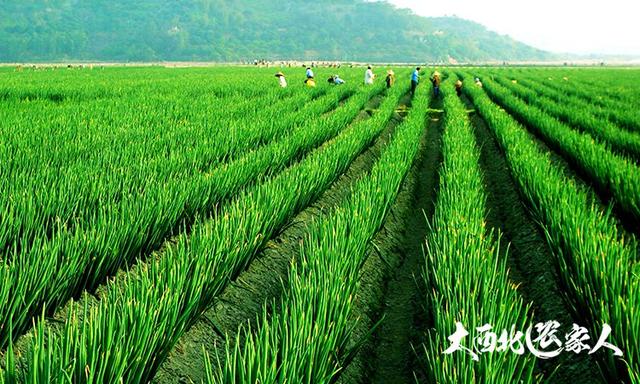
Welsh Onion Winter Storage and High-Yield Cultivation Techniques
1. Variety selection: Choose varieties suited to the local area, such as Dawutong, Qishafeng, the "Erjiu series", etc.
2. Raising seedlings
1. Intensive cultivation and rational fertilization: Choose a plot with flat terrain, fertile soil, convenient irrigation and drainage, and a thick plow layer as the seedling bed. Apply 2500 kg of decomposed organic fertilizer per mu, shallow plow about 25 cm, level and harrow fine, and form beds 1-1.2 m wide.
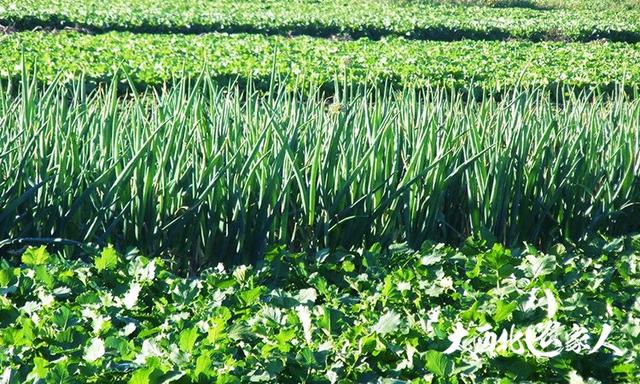
Welsh Onion Winter Storage and High-Yield Cultivation Techniques
2. Seed treatment: The suitable sowing period for winter-storage Welsh onion seedlings is from September 25 to October 5. Before sowing, apply 5 kg of diammonium phosphate and 5 kg of urea per mu as seed fertilizer, deep hoe to mix the soil and fertilizer evenly, then harrow level. Before sowing, soak the seeds in warm water at 35-40°C for 8-10 hours, then air-dry for 5-6 hours.
3. Sowing: Before sowing, water the soil to moisten it; after the water seeps down, scatter the seeds evenly, then cover with 1 cm of soil. Use 2-2.5 kg of seed per mu. After sowing, on sunny days when cracks appear on the bed surface, harrow the bed surface to preserve moisture and raise temperature, which helps ensure full emergence of seedlings. After the seedlings emerge uniformly, strictly control watering over the seedlings before they emerge, and also control watering before the cotyledons unfold, to avoid causing surface crusting and siltation in the beds.
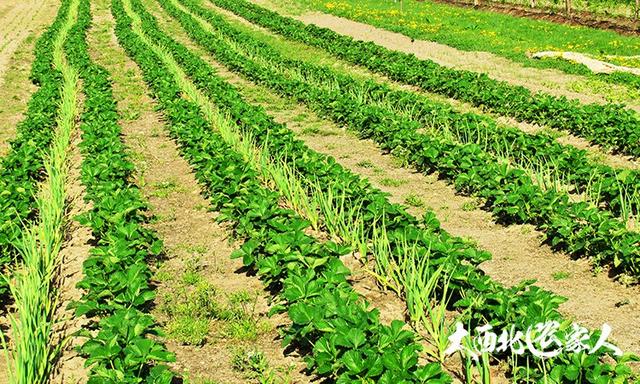
Welsh Onion Winter Storage and High-Yield Cultivation Techniques
4. Seedling stage management: From sowing and emergence to the end of December, after the seedlings reach 5 cm in height, water appropriately 2-3 times; in late November, water to prevent freezing injury. In early December, thinly scatter a layer of fine horse manure or mixed soil fertilizer and plant ash, with a thickness just enough to expose the leaf tips, to ensure the seedlings overwinter safely. The standards for onion seedlings before overwintering are: (1) average single plant height about 10 cm; (2) 2 true leaves and 1 heart leaf; (3) basal diameter of the seedling bulb not exceeding 0.3 cm; (4) seedlings strong but not overly vigorous.
In late February of the following spring, first rake out the horse manure covering from before winter, then fill in the broken and missing parts of the bed ridges with soil. Alternatively, in the early morning, scatter 2000 kg of finely broken barnyard manure per mu, then rake once, which helps preserve moisture and warmth and promotes early seedling growth. In early March, remove weeds. In mid-to-late March, water appropriately late for the green-up water, and hoe after watering.
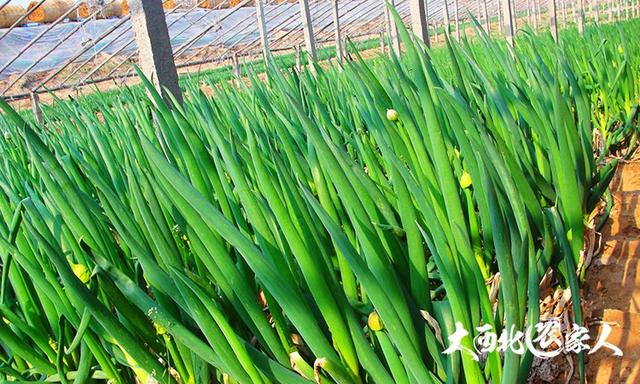
Welsh Onion Winter Storage and High-Yield Cultivation Techniques
In early April, when the seedlings are 15 cm tall, thin for the first time. In mid-April, when the seedlings are 20 cm tall, thin for the second time, keeping the seedling spacing at 4-7 cm and leaving about 120,000 plants per mu. Each thinning should be combined with hoeing and one watering.
May is the vigorous growth period of onion seedlings and also the key period for cultivating strong seedlings and upgrading inferior seedlings. At this time, scatter 20 kg of urea per mu, then water 2-3 times, while also controlling pests and diseases. In June, the onion seedlings should be mainly controlled, carrying out seedling hardening.
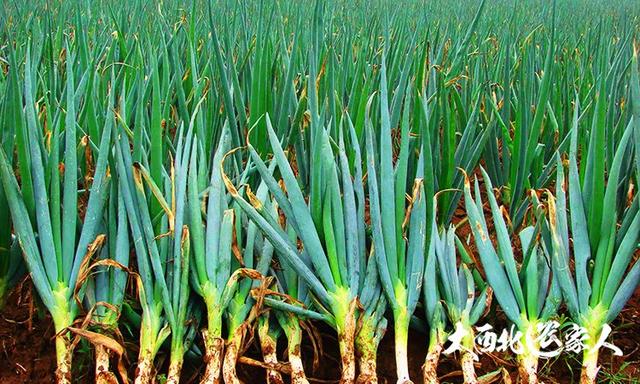
Standards for strong seedlings: seedling height 50 cm, false stem length 25 cm, thickness about 1 cm, single plant fresh weight about 40 g, with 5 true leaves, and possessing the typical traits of the variety.
Welsh Onion Winter Storage and High-Yield Cultivation Techniques
3. Planting
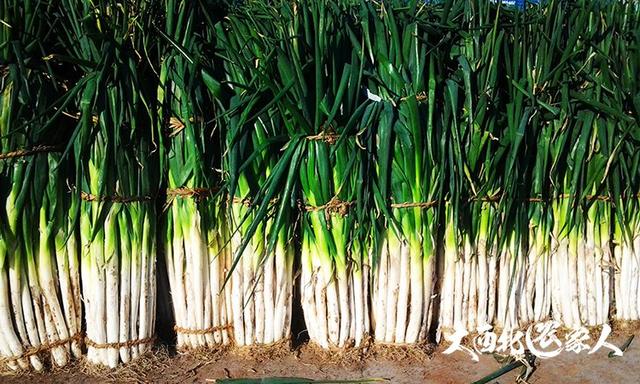
1. Land preparation before planting: Choose a plot with convenient irrigation and drainage, a thick plow layer, and where Welsh onions, onions, garlic, and Chinese chives have not been grown within 3 years. Open furrows in a north-south direction, with a furrow spacing of 80 cm and a furrow depth and width of 30-35 cm each. Evenly scatter mixed soil fertilizer at the bottom of the furrow, apply 20 kg of urea, 20 kg of diammonium phosphate, and 10 kg of potassium sulfate per mu. At the bottom of the furrow, leave a loose soil layer 15 cm wide and 25 cm deep ready for planting. Smash and firm the clods on the ridge backs so that people can stand steadily during transplanting.
Welsh Onion Winter Storage and High-Yield Cultivation Techniques
2. Planting: The best transplanting period is mid-June, but planting must be completed by late June.
Before lifting the seedlings, water lightly in the seedling bed, lift the seedlings carefully to prevent damaging the fibrous roots, remove residual seedlings with pests or diseases, select strong seedlings with the typical traits of the variety, grade them by size, and plant as soon as they are lifted.
Generally, plant 16,000-18,000 seedlings per mu, that is, with 80 cm furrow spacing, plant in a single row with a plant spacing of 5 cm and a single plant nutritional area of 0.04 sq m. One mu of onion seedlings can plant 4-6 mu of field.
Welsh Onion Winter Storage and High-Yield Cultivation Techniques
After scattering furrow manure and loosening the furrow bottom, use a two-tooth hook or small hoe to level the soil surface at the furrow bottom, then release water. After the water seeps down, use an onion fork 40 cm long, 1.5 cm in diameter, and forked at the top to insert the onions. When the onion fork is pulled out of the furrow after inserting the onion seedling, a hole is left, namely the onion eye, which should be retained to facilitate ventilation and air penetration for the root system and the white stalk; letting it be exposed to wind and sun is called sunning the onion eyes.
Planting depth: It is advisable that the heart leaf of the onion seedling be more than 8 cm from the furrow surface.
Welsh Onion Winter Storage and High-Yield Cultivation Techniques
4. Field management: Half a month after planting the onion seedlings, water appropriately. Drain promptly in case of waterlogging, and strictly prevent water accumulation in the furrows. After the seedlings recover, carry out intertillage and weeding, only hoeing lightly without hilling soil, to improve soil aeration.
Entering August, the white stalk begins to lengthen. On the ridge backs, scatter 2000 kg of decomposed organic fertilizer per mu, or 20 kg of diammonium phosphate, then scatter 15 kg of urea, shallow hoe once, and the soil fertilizer and urea are hoed into the furrow, then water once.
Welsh Onion Winter Storage and High-Yield Cultivation Techniques
In late August, entering the vigorous growth period of tubular leaves, apply quick-acting nitrogen and potassium fertilizers. Apply 15 kg of urea and 20 kg of potassium sulfate per mu, or apply cake fertilizer, plant ash, ammonium bicarbonate, etc. After topdressing, water continuously 2 times. When the ridge backs are suitably dry and wet, carry out intertillage with a large hoe, first surrounding the onion plants, then breaking the ridges and leveling the furrows.
In early September, the white stalk begins vigorous growth, and quick-acting nitrogen and potassium fertilizers should still be applied, with the same amount as during the vigorous leaf growth period. Then hill up the soil. It is advisable not to bury the heart leaf. The original ridge backs become furrows, and immediately water 2 times in the furrows.