-
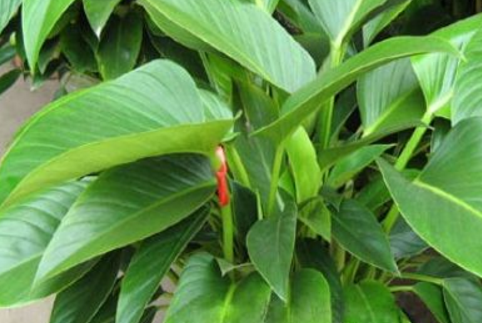
Detailed Guide to Hydroponic Growing Methods and Steps for Philodendron 'Golden Diamond'
1. Removing from the pot: First take the soil-cultured Philodendron 'Golden Diamond' plant out of the potting soil, remove the soil and rotten roots, and rinse it clean. But be careful to protect the root system so as not to affect the normal growth of the plant. 2. Disinfection: Soak the plant's roots in prepared potassium permanganate to disinfect for thirty minutes, then rinse once more; also wash the pebbles and the planting basket well.
-
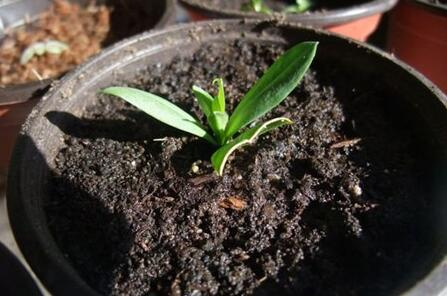
Detailed explanation of the specific steps for rooting Lisianthus cuttings
1. First use chopsticks or a wooden stick to poke a small hole in the potting soil, insert the cutting, then press the potting soil firm with your hands and water it thoroughly. 2. Cover with plastic film or a transparent lid, and poke a few small holes in it for ventilation. 3. Because Lisianthus likes to grow in places with relatively strong light
-
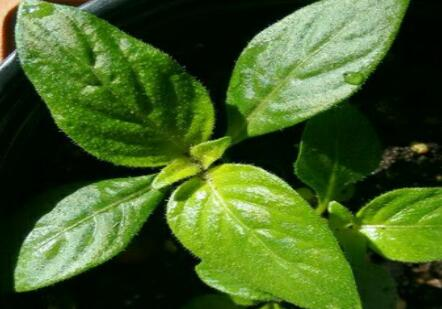
How to Grow Pentas? Detailed Growing Steps
I. Sowing The seeds of pentas are quite small, so they should be sown in plug trays. The cells of the plug tray should be neither too large nor too small, ideally 1.5-2 cm. During seed germination, do not cover them with anything, so as to avoid blocking light. During this period, sufficient watering is needed to promote rapid germination of the seeds
-
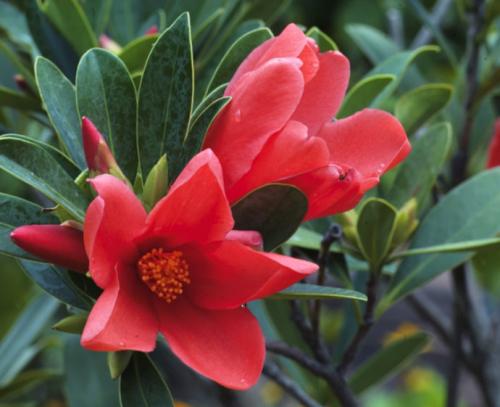
How to do camellia cuttings? Detailed steps easy to understand at a glance
Step 1: Choose a loose, well-draining sandy soil, generally a mix of perlite and coarse sand or vermiculite. Step 2: Choose well-developed branches; generally thinner branches should be longer and thicker branches shorter, then cut them off along the cut point.
-
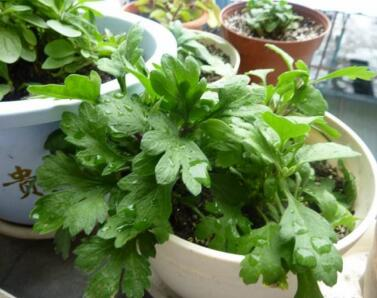
A detailed guide to Anisodontea capensis cuttings: a step-by-step tutorial to help you master propagation
1. Choosing branches for Anisodontea capensis cuttings. First of all, when selecting branches of Anisodontea capensis for cuttings, you must choose suitable branches. Try to use healthy mother plants free of pests and diseases, and cut branches from the outer part of the plant. It is best to choose vigorous, healthy branches free of pests, which helps the cuttings succeed.
-
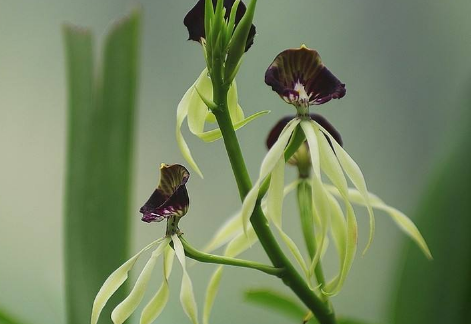
Octopus Orchid Division Propagation Methods and Steps Explained
Division Time Octopus Orchid is generally divided in summer; spring is the vigorous growth period of the plant, making division easier to survive. Division Method Take the vigorously growing plant out of the pot, being careful to protect the roots. You can shake off some of the soil, cut off aged or dead root hairs, and trim the leaves. Divide the plant into clumps
-
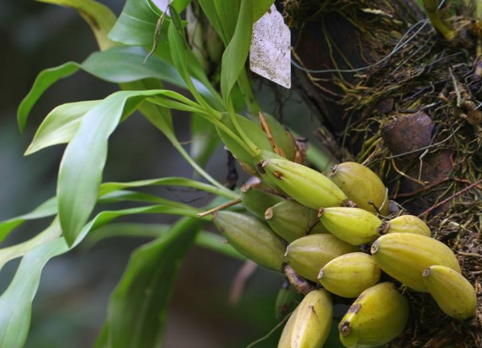
Cattleya Division Propagation Method and Step-by-Step Guide
Cattleya is usually propagated by division, generally carried out during the spring and autumn rainy seasons. You can use a small knife to carefully cut apart the rhizome at its base, and each clump must have pseudobulbs with 2 new shoots
-

Detailed Guide to the Cultivation Methods and Steps for Fuchsia
1. Sowing: Some varieties that set seed easily can be propagated by sowing. In spring and autumn, sow in seedling trays in a greenhouse using the broadcast sowing method. At a temperature of 15-20°C, germination takes about 15 days. Seeds sown in spring will only bloom the following year. 2. Potting: After inserting the cuttings, place them in a plastic box, mist frequently, and open the box often for ventilation when it is too hot.
-
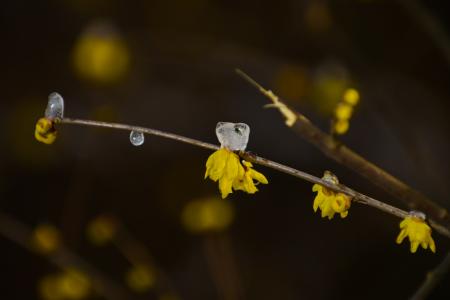
How to propagate wintersweet by sowing? Detailed method and steps explained
1. Seed collection. Generally speaking, if you want to propagate by seed, you can buy the seeds directly. If you do not want to buy them, you have to wait until the fruit of the wintersweet turns yellow before collecting them, usually around July to August. After taking out the seeds, store them dry. 2. Sowing time. There are two periods for sowing wintersweet
-
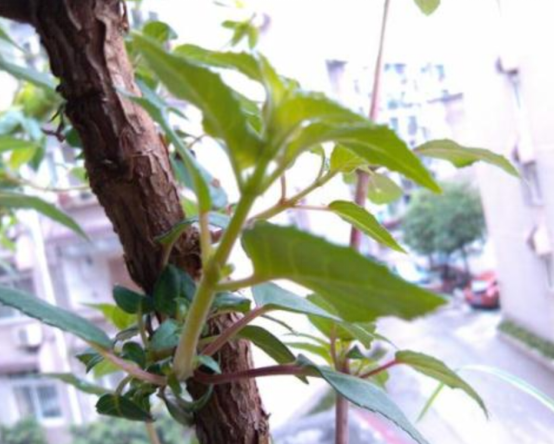
Detailed steps for taking fuchsia cuttings, even beginners can learn
1. Cutting time. Fuchsia has extremely strong survival ability and can be propagated from cuttings in all four seasons, but spring is best, because spring is the season of the most vigorous growth for fuchsia, and the temperature is neither cold nor hot, so the survival rate from cuttings is also the highest. Winter is the least suitable time for cuttings, and failure is very easy.
条件筛选