Cattleya Division Propagation Method and Step-by-Step Guide
Cattleya is usually propagated by division, generally carried out during the spring and autumn rainy seasons. You can use a small knife to carefully cut apart the rhizome at its base, and each clump must have pseudobulbs with 2 new shoots.
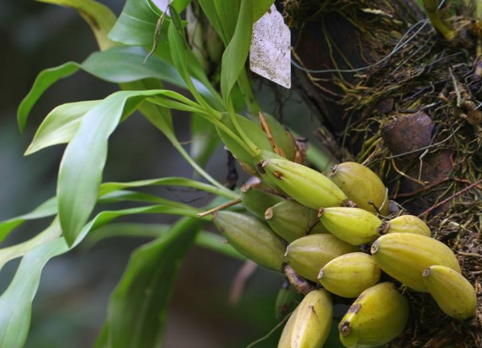
How to Propagate Cattleya: Division and Aseptic Culture Methods
Cattleya is commonly propagated by division, and some growers also use aseptic culture. Below are the steps for Cattleya division and aseptic culture propagation methods, organized separately.
How to Propagate Cattleya 1. Division Propagation MethodTiming for Cattleya division. You can choose to carry out division during the spring and autumn rainy seasons. Growers can first use a sharp cutting tool to make the cut between the bases of two "orchid heads," carefully cutting apart the rhizome at the base of the Cattleya, then disinfect the cut. Each clump requires at least 2 pseudobulbs with new shoots, and then the new shoots can be divided and potted separately.
2. Aseptic Culture PropagationFirst, select mature fruit and soak the fruit in 75% alcohol for half a minute, then carry out disinfection by placing the fruit into a 0.1% mercuric chloride solution and soaking for 20 minutes, then rinse with sterile water 4 or 5 times before cutting the fruit open. Inoculate the white powdery seeds into a seed germination liquid medium and culture with shaking at 150 rpm.
Generally after one week the embryo germinates, and after 20 days green protocorms 1-2mm in diameter are formed.
Use a pipette to inoculate the formed protocorms onto a seedling formation medium for culture. After one month, complete small plantlets can be formed, and continued culture for 45 days allows them to grow into robust large seedlings.
When the test-tube plantlets can grow to 3, 4 cm tall, transfer them under natural light to harden off for 1-2 weeks, and observe the plants forming a better cuticle. After removing them from the glass bottles, wash clean the medium from the roots, and transplant them into a mixed substrate of pond stone and carbonized bark, maintain suitable humidity, and ensure good ventilation.
How to Propagate Cattleya
Division Propagation of Cattleya
The division method is relatively simple to carry out, and generally households can use it. It is suitable to choose the spring and autumn rainy seasons to carry out the division work. Use a sharp cutting tool to make the cut between the bases of two "orchid heads," carefully cutting apart the rhizome at its base, and disinfect the cut. Each clump needs at least 2 pseudobulbs with new shoots.
Aseptic Sowing and Tissue Culture of Cattleya
The early stage is mainly liquid culture to promote rapid seed germination, after which the protocorms can be directly inoculated onto the culture medium to achieve one-step seedling formation. The specific steps are as follows:
Materials
At flowering time, select healthy growing Cattleya mother plants for self-pollination and cross-pollination. About 120-150 days after pollination is completed, the fruit will be basically mature.
Aseptic Sowing
Select mature fruit, soak the fruit in 75% alcohol for half a minute, then carry out disinfection by placing the fruit into a 0.1% mercuric chloride solution and soaking for 20 minutes, then rinse with sterile water 4 or 5 times before cutting the fruit open. Inoculate the white powdery seeds into a seed germination liquid medium and culture with shaking at 150 rpm. After one week the embryo germinates, and after 20 days green protocorms 1-2mm in diameter are formed.
Seedling Formation Culture
Use a pipette to inoculate the formed protocorms onto a seedling formation medium for culture. After one month, complete small plantlets can be formed, and continued culture for 45 days allows them to grow into robust large seedlings.
Transplanting of Test-Tube Plantlets
When the test-tube plantlets can grow to 3, 4 cm tall, transfer them under natural light to harden off for 1-2 weeks, and observe the plants forming a better cuticle. After removing them from the glass bottles, wash clean the medium from the roots, and transplant them into a mixed substrate of pond stone and carbonized bark, maintain suitable humidity, and ensure good ventilation.