-

Key Technical Points for Spring Greenhouse Farming of Soft-Shelled Turtles
Techniques for Spring Greenhouse Farming of Soft-Shelled Turtles
-
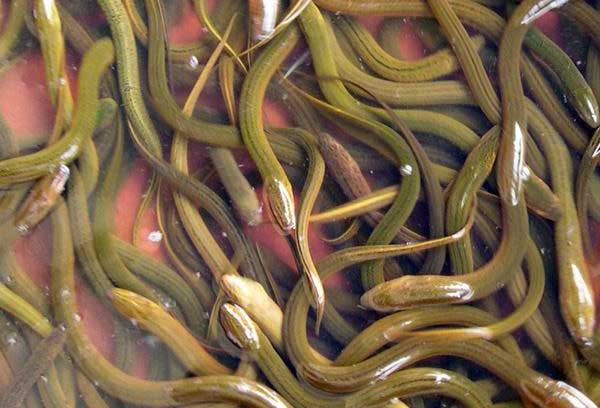
Detailed Explanation of Key Points for Spring Management in Rice Field Eel Farming
Key Points for Spring Management in Rice Field Eel Farming
-
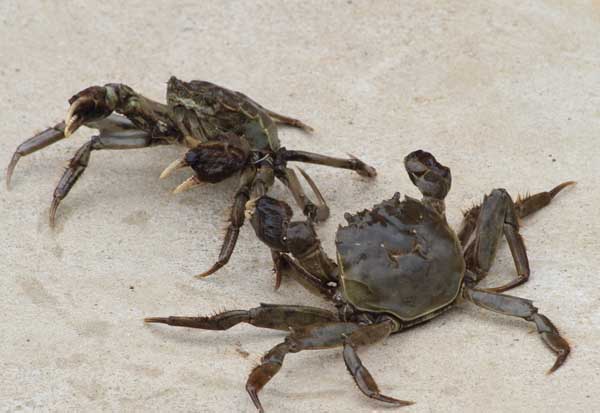
Detailed Explanation of Key Technical Points for Spring Farming of River Crabs
Spring Farming Techniques for River Crabs
-
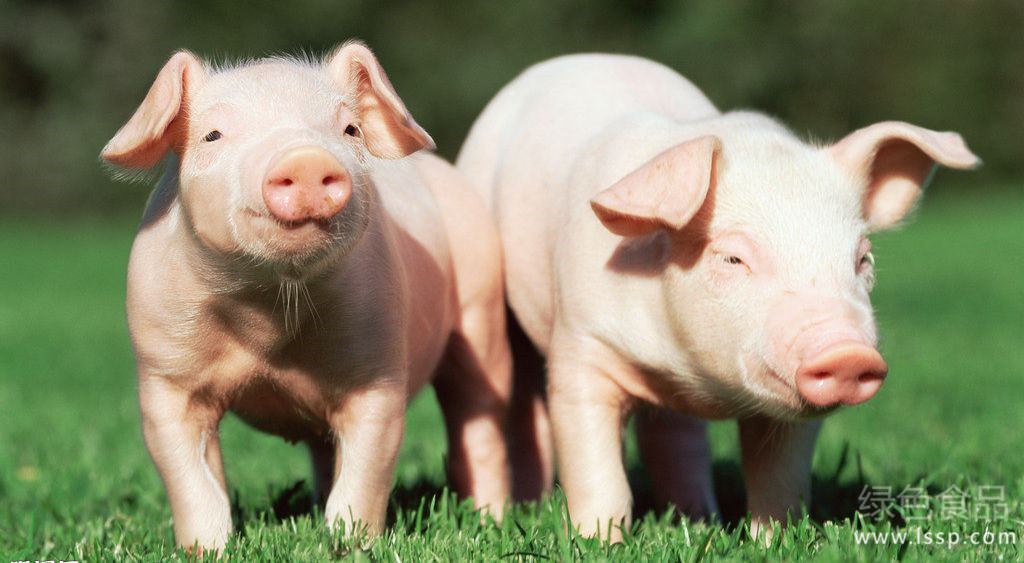
5 Tips for Spring Pig Farming Management: Remember to Cover, Clean, Supplement, Prevent, and Plant
Cover, Clean, Supplement, Prevent, Plant - 5 Techniques for Spring Pig Farming Management
-
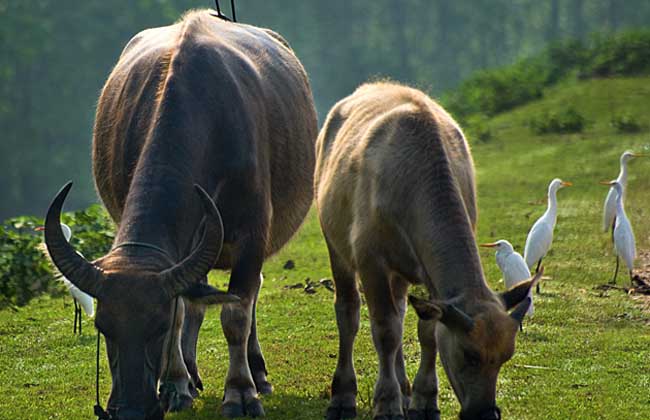
What are the key technical points for spring cattle farming and management?
Spring farming cattle breeding and management techniques
-
Yilan's Excellent Spring Water: Xu Zhixiong Transitioned from Eel Farming to Make Aquatic Plants Shine
Yilan Is a Museum 12"Only with Good Spring Water Does This Green Glow Exist! Transitioning from Eel Farming to Aquatic Plant Cultivation, Xu Zhixiong Makes Aquatic Plants Shine
-
How to Do a Good Job of Deworming in Spring Goat Farming
Deworming is the main measure for preventing parasitic diseases in goats. For deworming to be effective and thorough, timing and method are key. In just a few days it will be "Awakening of Insects," and the earth will warm up...
-
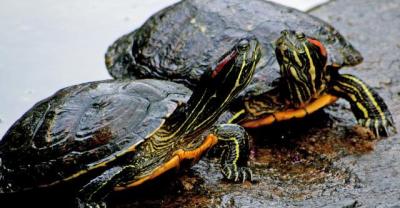
What to do when male golden coin turtles produce few offspring? Farmer tries farming and creates a miracle
Male golden coin turtles produce few offspring, farmer tries farming and creates a miracle
-
Spring pig farming: pay attention to preventing vitamin deficiencies
Vitamin A deficiency: use 20 grams of pine needles, crush them for juice or boil them for juice, mix into the feed and give once, once a day, for several days in a row; you can also feed more carrots, silage and other feed rich in vitamin A. Vitamin B deficiency: when preparing daily feed, pay attention to fully supplying bran, silage, sprouted feed and others rich in vitamin B. If corn is used as feed for a long time, it can cause niacin deficiency. The amount of corn in the feed should be reduced and bran, silage, sprouted feed and juicy tuber feed should be increased.
-
How to use medication for chicken respiratory diseases in winter and spring? Farming experience sharing
There are many causes of chicken respiratory diseases, which can be broadly divided into non-infectious causes and infectious causes. Every year starting from Cold Dew, the temperature difference between day and night increases, and most farmers reduce ventilation time to keep warm. Coupled with factors such as unreasonable chicken coop design and unreasonable vaccine immunization, respiratory diseases have long plagued the majority of farmers. Analysis of disease causes: Feeding management - poor ventilation in chicken coops. The concentration of harmful gases such as carbon dioxide exhaled by chickens, ammonia and hydrogen sulfide produced by feces, and carbon monoxide produced by incomplete coal combustion rises, while oxygen concentration decreases. Chickens kept in such an environment for a long time will suffer damage to their respiratory systems. Ammonia and hydrogen sulfide gases can cause inflammation of the conjunctiva and tracheal mucosa of chickens, making it easy for pathogens to invade the respiratory system and cause disease; carbon monoxide can cause poisoning in chickens; dust caused by dry litter carries large amounts of pathogenic bacteria such as E. coli, and when the concentration is high or the body's resistance decreases, it is easy to cause colibacillosis; if moldy litter is used, large amounts of mold spores are dispersed in the air, and after being inhaled by chickens, they cause aspergillosis in chickens. Environmental factors such as excessive stocking density in chicken coops and ambient temperatures that are too high or too low can all interact with infectious respiratory pathogens, aggravating the symptoms of respiratory diseases.
条件筛选