5 Tips for Spring Pig Farming Management: Remember to Cover, Clean, Supplement, Prevent, and Plant
The whole year's work depends on a good start in spring, and spring is especially important for the pig farming industry. In spring, pig farms must plan well for the year's production tasks, and even more importantly, get the year's pig farming management off to a good start. Specifically, they need to do five things well: covering, cleaning, supplementing, preventing, and planting.
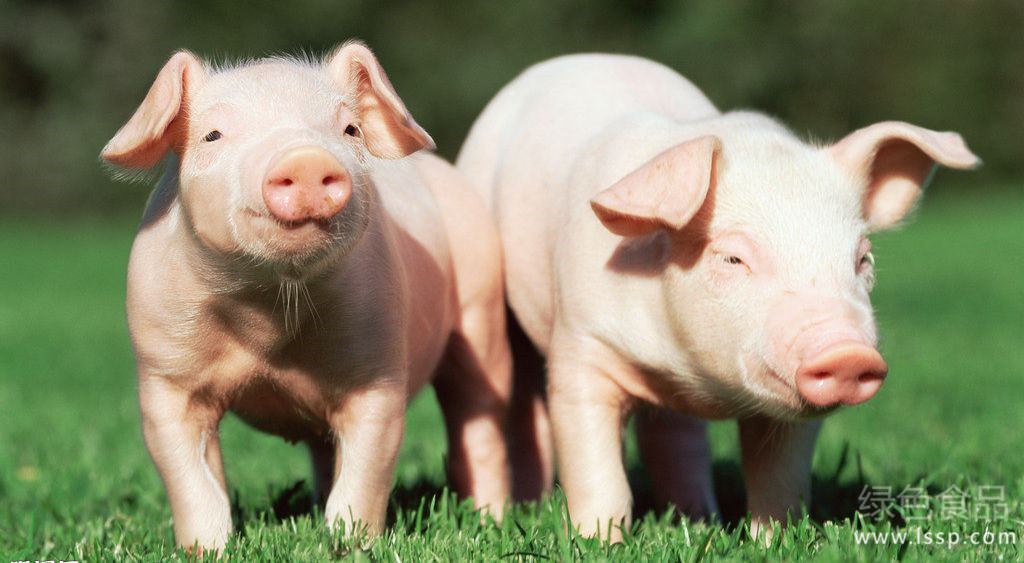
Pig Farming
First Thing: Covering
As the saying goes, "cover up in spring and freeze in autumn," and this applies not only to people but also to the pig farming industry. After "Start of Spring," although temperatures will rise, there can still be "late spring cold snaps," and the slightest negligence can cause tremendous losses. Therefore, after Start of Spring, pig farmers must never simply open up the pig houses all at once, but should continue to "cover" them for a period of time. Some heating equipment should be kept at least until the average temperature is above 10°C. At ordinary times, they should also pay close attention to weather changes and do a good job of cold protection in a timely manner.
Second Thing: Cleaning
When spring arrives and temperatures rise, pig pens often accumulate excessive toxic gases such as methane, ammonia, and hydrogen sulfide. If these are not discharged and cleaned up, they may irritate the pigs' respiratory mucosa and conjunctiva, leading to decreased immunity in the pigs.
Therefore, pig farmers should appropriately extend the time for opening doors and windows so as to discharge the toxic gases. After the weather warms up, pig farmers should thoroughly clean the pig houses. At the same time, they can choose drugs such as strong-effect iodine, Baijunxiao, Qiangli Xiaoduling, and chlorine dioxide to disinfect the pigs during the period around noon when temperatures are relatively high.
Third Thing: Supplementing
In spring, green fodder is scarce, while the metabolism of the pig herd becomes increasingly vigorous, urgently requiring supplementation of amino acids, minerals, and vitamins. Therefore, in addition to the pigs' daily ration, pig farmers can appropriately add high-quality silage, sprouted feed, as well as carrots, green radishes, Chinese cabbage, pumpkins, etc., to supplement nutrition, regulate gastrointestinal function, and increase appetite. After spring begins, breeding enters peak season, and boars should be given nutritional supplementation in a timely manner, generally 1 to 2 eggs per day. In addition, spring is a critical period for raising piglets, but the climate at this time is changeable, so feeding and management must be done with extra care, especially ensuring that piglets pass the supplementary feeding stage smoothly.
Fourth Thing: Preventing
In spring, temperatures fluctuate, making influenza very likely to occur, and some infectious diseases are also prone to appear. Therefore, disease prevention in spring is a key link that pig farmers must attach great importance to. Spring pig diseases should focus on prevention. The primary method is air disinfection, which can be done by spraying peracetic acid or fumigating with vinegar; the second is vaccination, and based on the local characteristics of past epidemics, focus on immunization against key diseases; the third is doing good patrol inspections, and when signs of disease are found, immediately isolate and treat.
Fifth Thing: Planting
Using high-quality forage grass for pig feeding can not only reduce feed costs but also increase lean meat percentage. Pigs are very omnivorous and can eat a variety of fresh, tender, and succulent forage grasses, especially high-quality forage grasses with low crude fiber content and high carbohydrate and protein content, such as grain amaranth, bitter lettuce, chicory, and others. Spring is a good time for planting forage grass, and pig farmers should seize the opportunity to plant forage grass in a timely manner. The most important part of planting forage grass lies in the feed base, but at the same time, do not forget the scattered land within the pig farm. Planting forage grass in these places can both ensure the supply of green fodder and regulate the small environment within the pig farm. The planting time for these forage grasses generally starts in late March.
In addition, vine plants such as chayote, pumpkin, loofah, and hyacinth bean should also be planted in front of the pig houses at the appropriate time, so as to provide shade for the pig pens in summer.