-
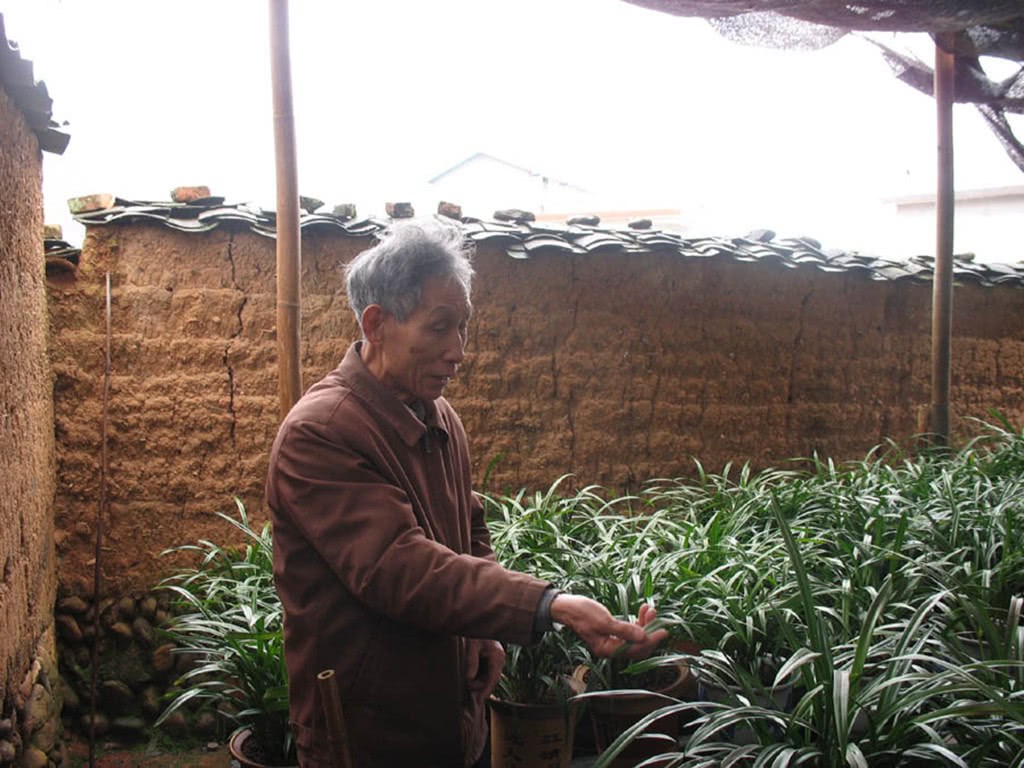
Orchids love growing big white roots; Grandpa used two locally sourced materials and they grew vigorously.
Grandpa loves growing orchids and used two locally sourced materials; the orchids grew nothing but big white roots and their growth was fantastic! He has loved growing orchids since he started working, and now that he has retired and returned to his hometown, he has even more spare time to care for his orchids. When it comes to growing orchids...
-
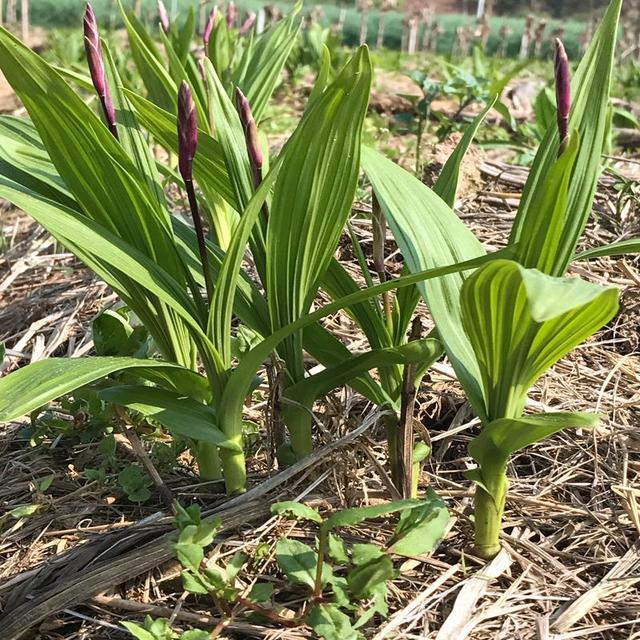
Detailed Explanation of Bletilla striata Medicinal Resources and Imitation Wild Cultivation Techniques
Bletilla striata Medicinal Resources and Imitation Wild Cultivation Techniques. Malong County, Yunnan Province, China is located in the Wumeng Mountain system, with many valleys and river channels, belonging to a low-latitude plateau monsoon climate, altitude 1772-2493m, average annual temperature 13.6°C, average annual precipitation 1001.8mm, annual...
-
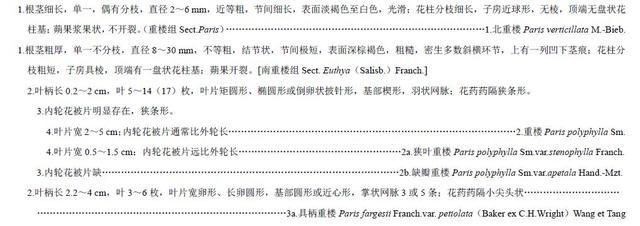
Medicinal Plant Taxa and Resource Survey of the Paris sect. Axiparis (Paris genus) in Shaanxi
Medicinal Plant Taxa and Resource Survey of the Paris sect. Axiparis (Paris genus) in Shaanxi. Fund projects: Public Health Special Project of Traditional Chinese Medicine (2011); Scientific Research Special Project of the Traditional Chinese Medicine Industry (201207002); 2012 Provincial Key Laboratory Scientific Research Project of the Shaanxi Provincial Department of Education...
-
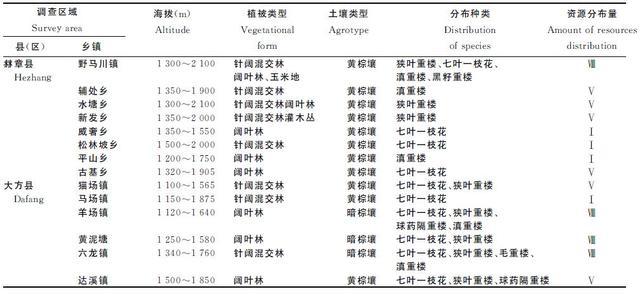
Survey of Wild Paris polyphylla Resources: Distribution and Current Status in the Bijie Region
Survey of Wild Paris polyphylla Resources in the Bijie Region [Fund Project] Sub-project of the National Key Technology Support Program "Research on Conservation, Propagation, Quality Standards and Quality Control of Characteristic and Advantageous Chinese Medicinal Materials" (2015BAI05B03); Gui...
-
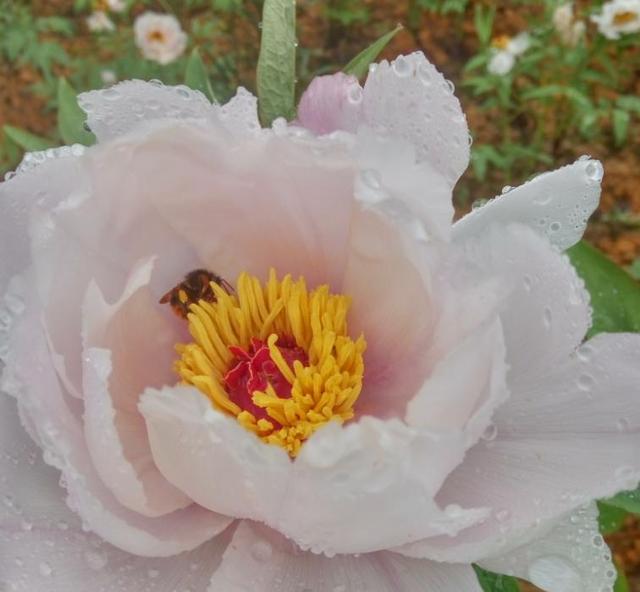
Analysis of Medicinal Resources of Tree Peony Bark and Seed and Seedling Propagation Techniques
Medicinal Resources of Tree Peony Bark, Seed and Seedling Propagation (I) Propagation Methods and Materials. The propagation methods of tree peony are divided into sexual propagation and asexual propagation. Different propagation methods use different germplasm materials. (1) Sexual propagation uses seeds as germplasm material. (2)...
-
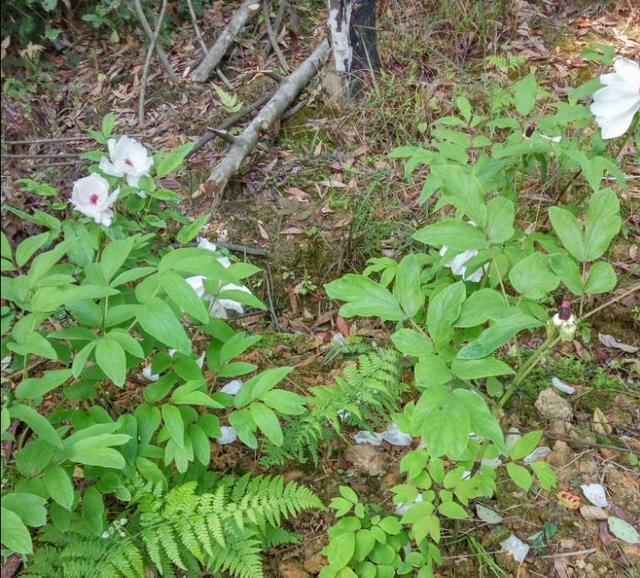
Overview of Medicinal Resources of Moutan Cortex and Pest Control Techniques
Medicinal resources of Moutan Cortex, pest control. Due to the influence of environmental conditions, combined with its fleshy and sweet roots, the tree peony (moutan) is susceptible to damage from both above-ground and below-ground pests. 1. Above-ground pests (1) Scale insects: The whole body is orange-red or tangerine-red, with two generations per year. Females often cluster on leaf stalks or stems to suck sap, causing leaves to turn yellow, twigs to wither, and plant vigor to weaken. When pests are found, the affected branches and leaves can be pruned and burned; during the larval hatching period, 1000-1500 times diluted dichlorvos or omethoate can be sprayed. To ensure the quality of medicinal materials, pesticides should be used with caution; during the dormant period or before sprouting in early spring, spraying branches and trunks with 3-5.5 Be° lime-sulfur mixture has a good control effect.
-
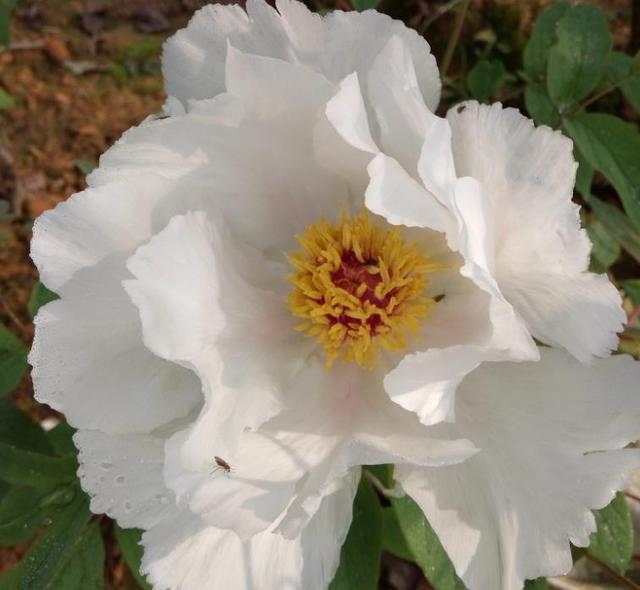
Introduction to the medicinal resource of tree peony bark, with a detailed explanation of bud removal and shaping and pruning methods
Medicinal resource of tree peony bark, how to remove buds and shape and prune. Scientific shaping and pruning can control its vegetative growth, promote reproductive growth, allow the flowers, leaves and fruit to receive sufficient sunlight, maintain its perfect plant shape and vigorous growth, and reduce the occurrence of pests and diseases...
-
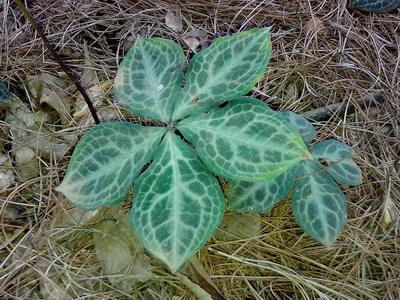
A Detailed Guide to the Medicinal Resources and Cultivation Techniques of Paris luquanensis
Medicinal Resources of Paris luquanensis, Cultivation Techniques of Paris luquanensis 1 Basic Information on the Variety Luquan Paris luquanensis generally grows in Luquan in central Yunnan and Pingbian in southeastern Yunnan, as well as in the northern part of the Gaoligong Mountains, and is also distributed in southern Sichuan (Huidong, Puge and Yuexi). It is a rare variety under provincial-level protection. Because Luquan Paris luquanensis is small, grows slowly and has relatively strict requirements for its growing environment, it is mostly a wild variety. As early as 2011, some large Chinese medicinal herb growers in Luquan County began trial cultivation of Paris polyphylla. Because this medicinal herb is difficult to cultivate and there was no technical experience to draw on within the county, they encountered quite a few problems during cultivation. Over two years, the Luquan Panmao Chinese Medicinal Herb Planting Cooperative persisted in collecting wild Luquan Paris luquanensis from township markets and concentrated them at a seedling base (Tuanjie Town) for greenhouse cultivation. After more than two years of unremitting effort, more than a thousand plants of Luquan Paris luquanensis have now been collected and successfully cultivated, forming a small planting area for protection and propagation.
-
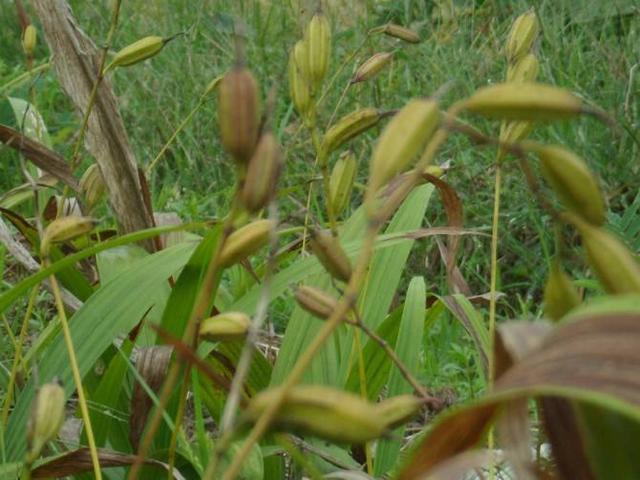
Medicinal Resources of Bletilla striata and Quality Grading of Seeds and Seedlings
Medicinal Resources of Bletilla striata and Quality Grading of Seeds and Seedlings (I) Seed Testing and Quality Grading 1. Sampling The maximum mass of a seed lot is 10 kg. The experimental sample is taken by the hand-halving method. The minimum submitted sample is 3 g, and the minimum purity analysis sample is...
-
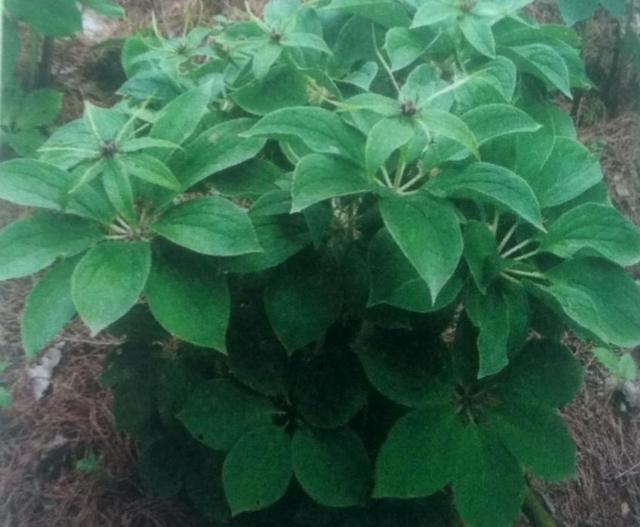
Detailed Explanation of Medicinal Resources and Superior Variety Breeding Methods of Paris polyphylla
Medicinal Resources and Superior Variety Breeding of Paris polyphylla. The artificial domestication of Paris polyphylla has not been long. At present, artificial cultivation of Paris polyphylla mainly relies on digging wild resources as seed sources and propagation materials. Due to differences in seed source origins and growth years, mixed seed sources, and the lack of...
条件筛选