-
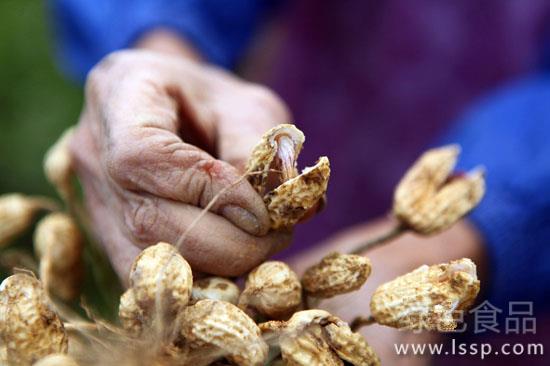
How Empty Shells Affect Peanut Yield and Quality and How to Prevent Peanut Empty Shells
How Empty Shells Affect Peanut Yield and Quality and How to Prevent Peanut Empty Shells
-

Clever tricks to reduce root rot in potted flowers: use pine cones, nut shells and wood shavings
When flower lovers grow plants, the problem they run into most often is root rot. Many also like to put some material in the bottom of the pot, and this is a good way to prevent root rot.
-

What to Do When a Pothos Has Root Rot and Yellow Leaves? Use Eggshells Cleverly to Give It a New Lease on Life
Pothos is a common green plant in our daily lives. Pothos is not only attractive, but also purifies the air, reduces radiation, and removes formaldehyde. Although pothos is easy to grow, flower lovers often run into the problem of yellowing leaves and root rot. What should be done?
-
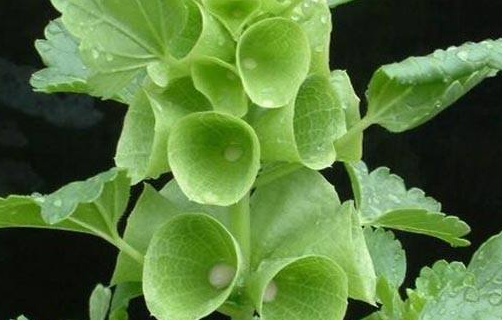
What are the cultivation methods and precautions for Moluccella laevis (shell flower)
Soil Moluccella laevis cultivation has relatively high soil requirements: it needs loose, airy, fertile and well-drained soil. The soil should not be heavily clayey, otherwise it will be detrimental to the plant's growth. We can mix the soil ourselves, or buy special soil for Moluccella laevis at a flower shop. Light Moluccella laevis is very fond of sunlight
-
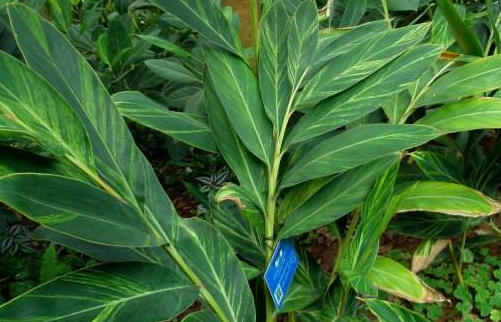
Sowing Methods and Key Technical Points for Shell Ginger
Sowing time: Shell ginger can generally be sown at any time except summer, but the best seasons are autumn and winter. However, winter temperatures are low, so warmth must be provided; for example, the shell ginger can be placed in a greenhouse.
-
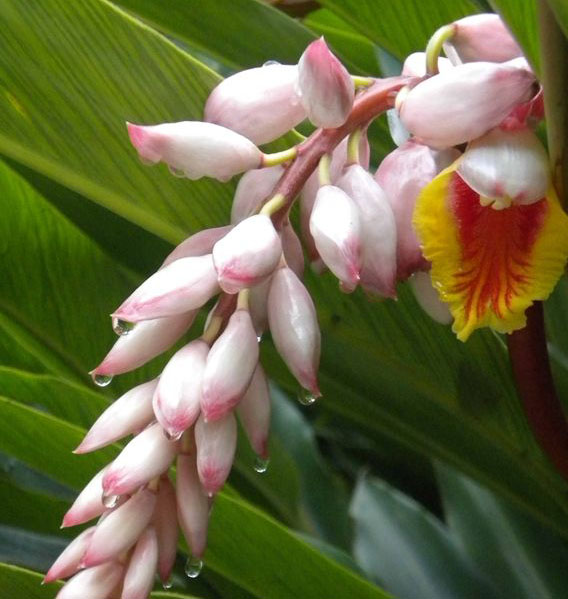
What are the common diseases of variegated shell ginger?
Variegated shell ginger is commonly affected by leaf blight and brown spot. In the early stage of leaf blight, spray 200-times Bordeaux mixture 2-3 times at intervals of 7-10 days. For brown spot, spray 1000-times thiophanate-methyl solution.
-
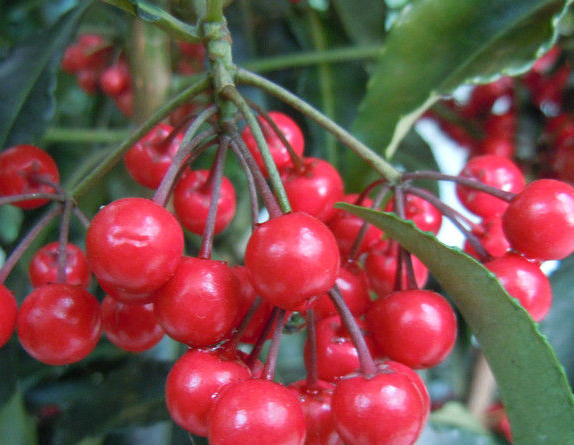
How do you treat insects with waxy hard shells on the leaves of coral ardisia (Ardisia crenata)?
This is an infestation by scale insects. The main control measure should be chemical treatment; you can use specific insecticides such as methidathion, chlorpyrifos, Guoguang Jie Bisi, etc., which are highly effective, as ordinary insecticides struggle to penetrate their waxy layer to take effect. If the infestation is heavy, spray 2 times to completely eliminate them. You can also scrape or brush them off manually.
-
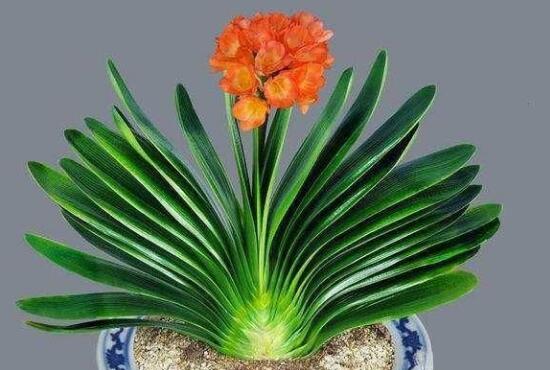
How to fertilize a clivia? Eggshells plus vinegar promote rapid growth
As the saying goes, "For a crop to flower, fertilizer rules the hour," and if you want your clivia to grow well, fertilizing is key. In everyday life, there are many clivia growers, and many of them, in order to make their clivia grow better, pour all sorts of things on it, including eggs! It is said that fertilizing clivia with eggs makes it grow quickly.
-

Processing, Application Methods and Techniques for Tea Seed Shells
Oil tea is a woody oil crop unique to China. According to statistics, China currently has more than 3.47 million hectares of oil tea area, with an annual output of 56.6 billion kg of oil tea seeds. Tea seed shells contain 52.15% lignin, 30.27% pentosan, 5.43% saponin, 2.47% tannin, 0.43% water, 0.13% oil, and 9.12% other components. Because tea seed shells are high in lignin and pentosan, research on their utilization is currently focused on the preparation of furfural, activated carbon and xylitol. 1. Tea seeds
-
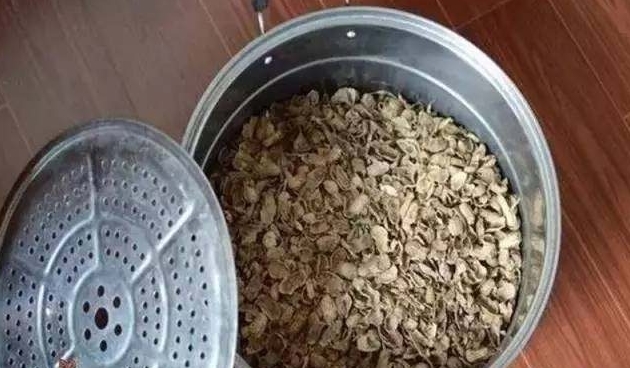
What are the methods and benefits of using peanut shells to grow flowers
Peanut shells, everyone has seen them, nobody eats peanut shells, and the taste of peanut shells is not good at all. How do you use peanut shells to grow flowers? What are the benefits of using peanut shells to grow flowers: How to use peanut shells to grow flowers: Step 1: Crush the peanut shells from your home, preferably roasted and plain peanut shells
条件筛选