How Empty Shells Affect Peanut Yield and Quality and How to Prevent Peanut Empty Shells
In recent years, the rate of empty peanut shells has remained consistently high, affecting yield and quality. The causes of empty peanut shells and the preventive measures are described below:
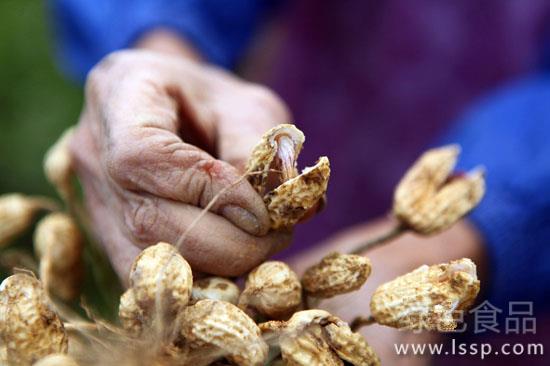
Empty Peanut Shells
I. Causes of empty peanut shells:
1. It is related to the variety. Large peanut varieties are prone to producing empty shells, while small peanut Pearl series varieties are not prone to empty shells.
2. Insufficient calcium. Calcium deficiency can also cause empty peanut shells. After calcium deficiency, pod development is poor, affecting kernel development and forming empty shells. Causes of calcium deficiency in peanuts: (1) Soil factors. The soil lacks organic fertilizer, and the application of calcium fertilizer is neglected, resulting in soil calcium deficiency. Second, the active calcium contained in acidic or slightly acidic soils such as red latosol and yellow-brown soil is itself low, showing calcium deficiency. (2) Climatic factors. High temperature and abundant rain lead to calcium loss. Drought or waterlogging hinders the peanut root system's absorption of calcium. (3) Excessive potassium fertilizer. Excessive application of potassium fertilizer will affect the peanut root system's absorption and utilization of calcium, causing calcium deficiency. (4) Calcium deficiency in the soil of the pod layer. Peanuts like calcium, and the calcium-absorbing capacity of the root system is limited. Especially after the pegging stage, the large amount of calcium needed for peanut growth must be met by the pegs and young pods themselves absorbing calcium from the soil. Therefore, during the pod-setting stage, even if the lower soil layer where the roots are located is not deficient in calcium, calcium deficiency or insufficient calcium supply in the soil layer where the pods are located will also affect pod formation, leading to empty peanut shells.
3. Insufficient boron. Boron deficiency in peanuts delays flowering, affects the formation of pods and kernels, and leads to empty peanut shells.
4. Insufficient phosphorus. Phosphorus deficiency in peanuts results in dark green leaves, thin and slender stems, few root nodules, few flowers with blocked differentiation, poor pod development, and susceptibility to empty shells.
5. Excessive nitrogen fertilizer. In pursuit of yield, blindly increasing nitrogen fertilizer without paying attention to the application of phosphorus fertilizer, potassium fertilizer, and organic fertilizer is not conducive to nitrogen fixation by peanut root nodules, leads to excessive vegetative growth, lush aboveground stems and leaves, insufficient underground nutrition, and produces empty shells.
II. Preventive measures
1. Apply heavy amounts of organic fertilizer. Organic fertilizer has comprehensive nutrients and can supplement peanut nutrition in all aspects. Generally, 3000-4000 kg of decomposed organic fertilizer is applied per mu as base fertilizer.
2. Increase calcium fertilizer application. Generally, 30-40 kg of superphosphate is applied per mu as base fertilizer, or about 25 kg of gypsum (calcium sulfate) can be applied per mu during the flowering stage.
3. Spray boron fertilizer. For sandy soil and soil with severe boron deficiency, about 1 kg of borax per mu can be applied as base fertilizer or seed fertilizer. For general soil, a 0.2%-0.3% borax solution can be used for 2-3 foliar topdressings on peanuts.
4. Apply potassium fertilizer deeply. Potassium fertilizer should be applied deeply, below the pod-bearing layer, to prevent excessive potassium in the pod-bearing layer from affecting the peanut's absorption of calcium and increasing empty and rotten pods.
5. Drain and irrigate in time. Water timely to prevent drought. If there is excessive rain and waterlogging, drain in time to avoid affecting the peanut root system's absorption of calcium and causing empty peanut shells.