-

How to prepare mushroom growing substrate? Sharing a family recipe
Making a good mushroom growing substrate is key. You can choose mold-free corn cobs and crush them to the size of broad bean grains, using 80% corn cobs, 12% rice bran, 4% cornmeal, 1% gypsum, 1% superphosphate, 2% lime. Weigh out the required amount of each material. To improve its nutritional value, you can add fermenting agents such as JINBAOBEI fermenting agent at about 5% to improve fermentation quality, mix thoroughly, add water and stir evenly. The moisture content should be 65%, that is, when you squeeze the substrate in your hand with moderate force, water should appear between your fingers but not drip down. The material should be fully
-

How to water houseplants? Sharing a few practical tips
1. Watering flowers with leftover tea: Using leftover tea to water flowers not only keeps the soil moist but also adds nutrients such as nitrogen to the plants. However, you should water regularly and in moderation according to the moisture level of the pot, rather than pouring leftover tea on whenever you have it. 2. Watering flowers with spoiled milk: After milk spoils, dilute it with water to water flowers, which benefits the growth of the plants
-

20190105 Taiwan-Japan School Lunch Moments - 2018 13th Japan National School Lunch Koshien Study Tour Sharing Session
20190105 Taiwan-Japan School Lunch Moments - 2018 13th Japan National School Lunch Koshien Study Tour Sharing Session
-
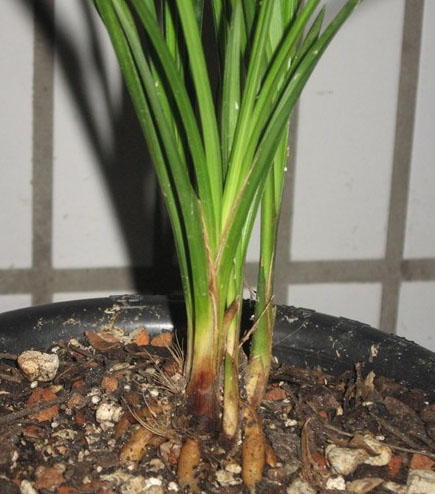
How to prevent water rot in orchids? Sharing practical control methods
Around the start of summer (Lixia) is the peak sprouting period for orchids. The orchid seedlings produced during this time are sturdy and grow fast. However, if you do not pay attention to reasonable watering and controlling the moisture of the potting soil, the seedlings are prone to water rot, which can even cause seedling death. The methods to prevent this disease are as follows: (1) Plant the orchid in a mound shape, that is, pile the soil higher in the middle
-
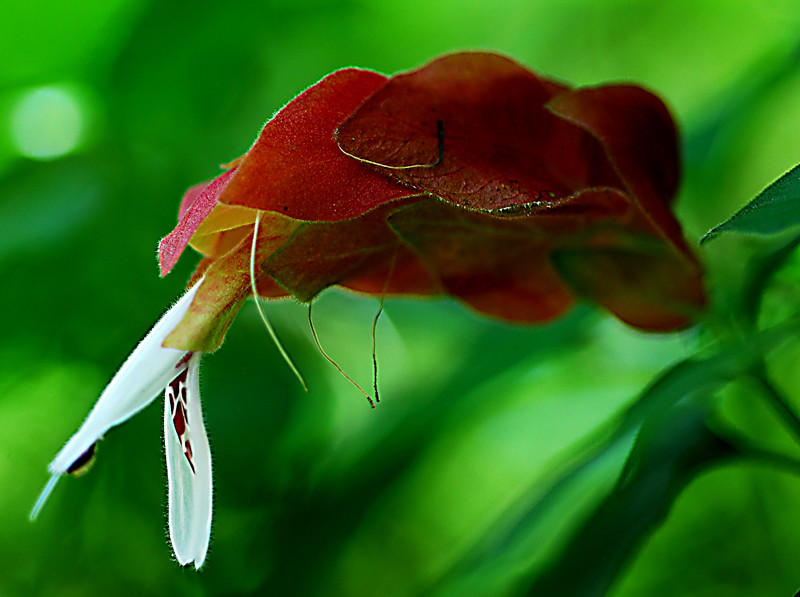
How to grow shrimp plant? Sharing of cultivation methods and tips
First of all, the shrimp plant blooms in all four seasons, so we need to separate different seasons with different cultivation methods. 1. Sufficient light. In spring and autumn, we need to let the shrimp plant get full exposure to light. The plant cannot stay in a sunless state for a long time, otherwise it will easily become leggy.
-
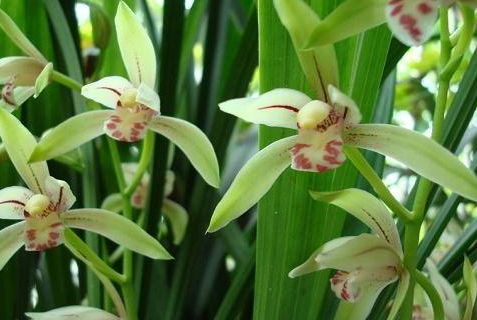
How to deal with root rot in orchids? Sharing practical remedies
1. Water properly. Watering should be decided according to the dryness and wetness of the potting soil and the temperature changes of the four seasons. Overwatering can easily lead to root rot. In summer, you can water in the evening to ensure the potting soil is neither too dry nor too wet. In winter, water less, otherwise the plant may suffer root rot due to frost damage or heat damage. 2. Ventilation and air permeability. If the ventilation conditions are poor
-

How do you maintain duck house hygiene? Sharing practical cleaning and management methods
How to maintain duck house hygiene
-

-

Water terraces are truly great, sharing the rain and dew evenly regardless of blue or green
Regardless of blue or green, sharing the rain and dew evenly—-water terraces are truly great!
-
What to do when asparagus fern leaves turn yellow? Sharing practical solutions
Although asparagus fern fears high temperatures, it likes warmth; placing it in a spot with good scattered sunlight can effectively prevent leaves from turning yellow. Asparagus fern has poor drought tolerance, so when watering, water thoroughly when the soil alternates between dry and wet, without overwatering. If the branches and leaves are too dense and it is during the high-temperature summer period, this can also cause asparagus fern leaves to turn yellow
条件筛选