-
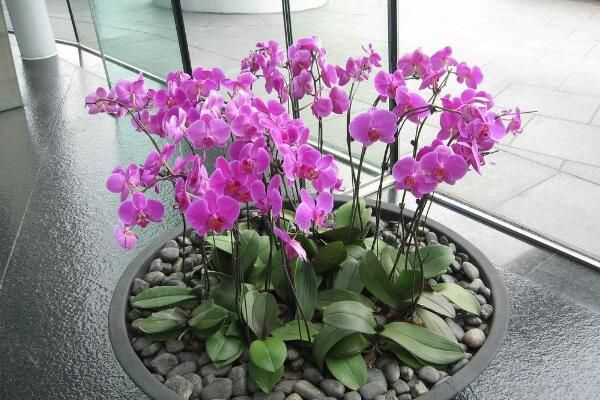
How to grow Phalaenopsis orchids? Sharing the simplest method
Simple Phalaenopsis care, the easiest way to grow Phalaenopsis orchids
-
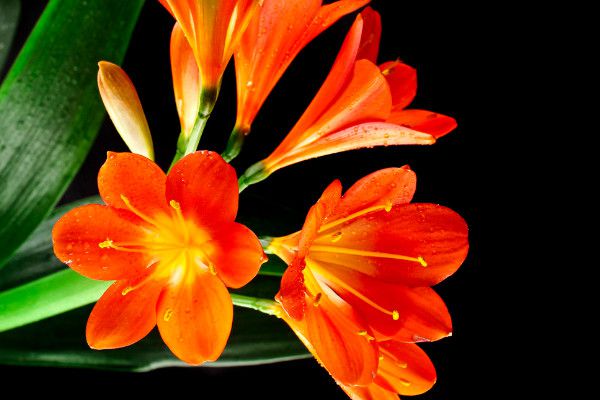
How many leaves should a Clivia miniata keep? Sharing the scientific leaf-retention method
How many leaves should a Clivia miniata keep
-
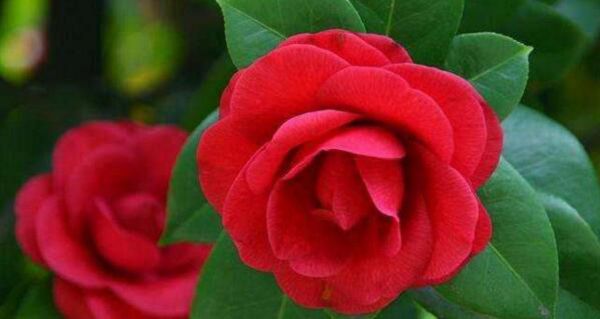
How to grow camellias so they bloom large and colorful? Sharing care tips
Tips to make camellias bloom large and colorful
-

How to make a cloud flower pot at home, sharing a simple method
How do you make a cloud flower pot at home
-
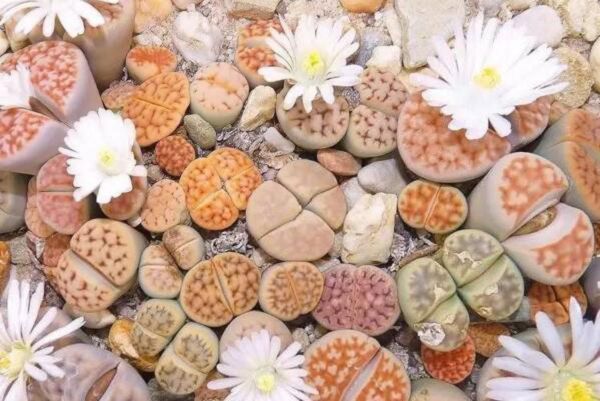
Are Lithops easy to grow? Sharing my Lithops growing experience
Are Lithops easy to grow? Sharing my Lithops growing experience
-
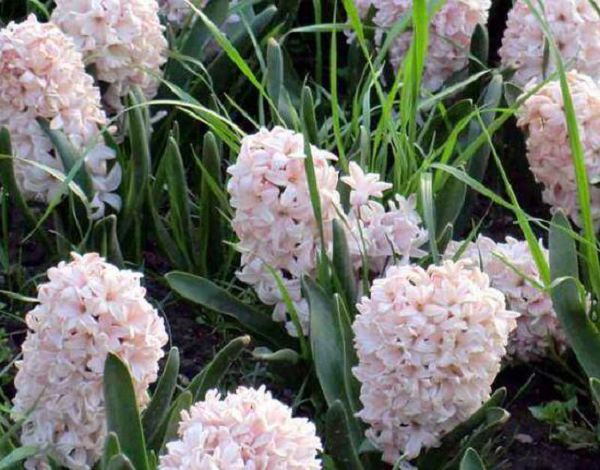
When Do Hyacinths Bloom? Sharing After-Bloom Care Methods
When Do Hyacinths Bloom, and How to Handle Them After Blooming
-
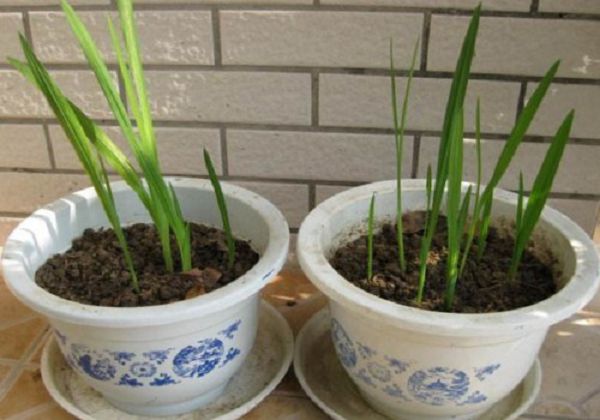
What to Do If Freesia Grows Too Tall? Sharing Practical Solutions
What to Do If Freesia Grows Too Tall?
-

Experience sharing on forcing cultivation of tulips to bloom during Spring Festival
Tulips have strong cold resistance, tolerating low temperatures of -35°C in winter, and can grow normally at 5°C-8°C, making them suitable for winter forcing cultivation. Forcing cultivation of tulips means breaking the dormancy of flower primordia and leaf primordia through variable temperature treatment of the bulbs, eliminating factors that inhibit flower bud germination, and promoting flower bud differentiation, then through artificial heating, supplemental lighting and other measures, making tulips bloom outside their natural flowering period. Currently on the market there are commonly 5°C bulbs and 9°C bulbs; we generally choose 5°C bulbs for forcing cultivation to bloom during Spring Festival. Substrate
-
How to make azalea bonsai more exquisite? Sharing of practical tips
Azalea, also known as yingshanhong or zhaoshanhong, is a deciduous shrub of the genus Rhododendron in the family Ericaceae. It has many branches, which are slender and straight, with simple papery leaves; the flowers grow in clusters of 2-6 at the tips of the branches and are rose-colored, bright red or deep red, with purple spots, and in horticulture there are many other varieties with even richer colors. Its flowering period is from April to June, and the fruit ripens in October. Azalea likes a warm, humid environment, is not cold-tolerant, and is relatively heat-tolerant; it likes acidic soil and grows poorly in alkaline soil and in sticky soil with poor drainage. Its bonsai production and cultivation methods are as follows: (1) Seedling sources
-
How to grow a Golden Larch bonsai to make it more beautiful? Sharing practical tips
Golden Larch (Pseudolarix amabilis) has a tall, upright tree form, with linear green leaves that turn golden yellow in late autumn, connected in circular rings shaped like copper coins, hence its name. It is a deciduous tree of the genus Pseudolarix in the pine family (Pinaceae) and a precious tree species unique to China. It is generally propagated by sowing seeds. Plants of varying thickness, height and shortness that are robust and healthy can be selected and planted together in one pot to create a forest-style bonsai. Attention should be paid to a clear distinction between primary and secondary elements and an organic arrangement of height and density, and when complemented with rocks and figurines, it can fully express a fresh and refined natural forest landscape. It can also be shaped according to its natural form into formal upright, double-trunk, needle-trunk
条件筛选