-
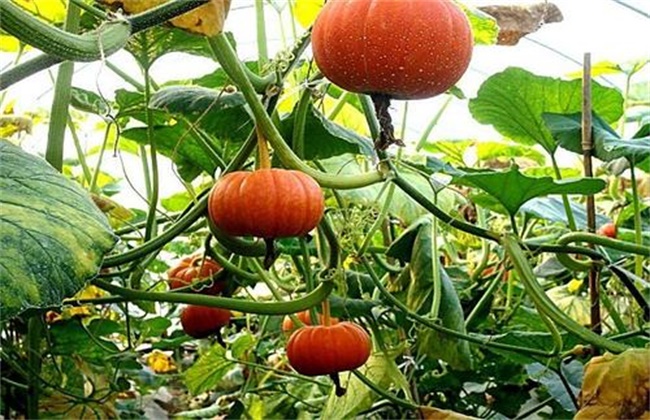
How to achieve high yield in pumpkin cultivation? Sharing practical methods
How should pumpkin cultivation achieve high yield?
-

Sharing High-Yield Planting Experience for Autumn Potatoes
Mr. Zhang Chaohu from Jinghe Subdistrict Office, Tengzhou, Shandong, achieved a high yield of 1500 kg/mu with his autumn potatoes this year. His experience is as follows. 1. Seed potatoes: This spring he used virus-free Dutch No. 5 potatoes shipped from Northeast China to plant a spring potato crop, harvested in early June. From these he selected small tubers grown from vigorous plants with no symptoms of viral infection, and used whole tubers as seed. To prevent disease infection, the seed potatoes were not cut into pieces, and mechanical damage was avoided as much as possible. To promote rapid sprouting of the seed potatoes, 12 days before sowing, they were sprouted using a gibberellin glycerol solution
-
How to store potatoes? Sharing practical preservation methods
Storage outside the passes: dig a cellar 2-3 m deep outdoors; its length and width depend on the quantity to be stored. Spread a 2 cm thick layer of ash on the cellar floor to disinfect it and remove the peculiar smell of the soil layer inside the cellar. Fix the cellar cover well and put the potatoes down into the cellar. Cover the potatoes with 15 cm of thick moist black soil to keep them moist and protect them from freezing; if the cellar is shallow, cover them with 20-30 cm of moist black soil. The cellar door should not be sealed too early: in early November cover half and leave half open for ventilation. Seal it all by early December. Controlling the temperature well is the key. Plastic bag storage: if in winter
-
Sharing Experience and Key Techniques for Greenhouse Potato Cultivation
Mr. Diao Jinzhu of Diaosha Village, Longyang Town, Tengzhou City, Shandong, grows potatoes yielding over 5,000 jin per mu, with an output value reaching 10,000 yuan. His cultivation experience is as follows. 1. Use virus-free seed potatoes, the virus-free potato variety Holland No. 7 introduced from Northeast China. 2. Seed potato treatment: prepare about 200 kg of seed per mu. In mid-January, choose a sunny and warm midday to sun-dry the seed potatoes for 1 day, and remove diseased, rotten and deformed potatoes. Then place the seed potatoes indoors at 20-25°C for 15 days for pre-sprouting; once the buds begin to sprout, pre-sprouting is complete. Then cut them into pieces, each 20-25 g. For large potatoes
-
How is garlic processed? Sharing a practical method
Garlic is a spicy vegetable loved by the people of our country. It contains a variety of nutrients and has essential inorganic elements for the human body such as calcium, phosphorus, and iron. Processing season: 1 week after the garlic comes on the market. Raw material standard: garlic heads should be large, with uniform cloves and white skin, unbroken heads, and no mud. Before processing, each head must be washed one by one, then placed in mixed brine (various salt waters left after pickling vegetables) and soaked for 1-2 days. After removing, put them into jars in batches, adding salt layer by layer, using 4 kg of table salt per 50 kg of garlic, and covering the jar mouth or pool surface completely with table salt to seal. Salting
-
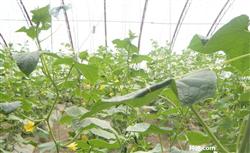
How to prevent and control cucumber diseases? Sharing practical prevention and control methods
How do you lower the vines when growing cucumbers in a greenhouse? Please provide guidance on lowering greenhouse cucumber vines at the right time to reduce plant height, allow the leaves to be distributed evenly, maintain a reasonable position for light exposure, strengthen cucumber growth vigor; this is one of the important companion measures for achieving high-yield, efficient, and high-quality greenhouse cucumber cultivation. First, remove diseased leaves, old leaves...
-
How to carry out spring soybean cultivation and management? Sharing practical tips
1. Variety selection. According to the local ecological type and market demand, select approved (recognized) varieties with a suitable maturity period, high yield, good quality and strong stress resistance according to local conditions, such as Xiangchundou No. 21, Xiangchundou No. 22, Xiangchundou No. 23, etc. Replace the seed once every 3 years. 2. Seed treatment. For planting in acidic soil...
条件筛选