When Do Hyacinths Bloom? Sharing After-Bloom Care Methods
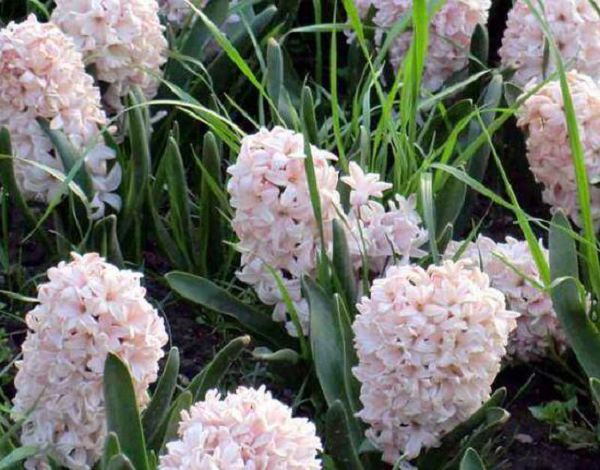
Although hyacinths are herbaceous bulbous plants, they can still bloom, and after blooming they are very ornamental and also give off a charming fragrance, helping to relieve fatigue to some extent. However, many people may not know when hyacinths bloom, so it is also hard to see hyacinths bloom during cultivation. So how should hyacinths be handled after blooming? Next, let's take a look together.
I. When Do Hyacinths Bloom
The blooming time of hyacinths varies, because the growing environment affects when the plant blooms normally, but the time difference is not very large. Therefore, most hyacinths grown at home bloom around February, but the flowering period does not last long, only two months, and they usually fade after April.
If grown in soil, they can continue to bloom the next year, provided that fertilizer is applied during cultivation; if grown in water, there is not much point, and the length of the hyacinth flowering period depends on the ambient temperature. In places with high room temperature, they finish blooming in about two weeks. After blooming, placing them in a cooler spot can extend the flowering period.
II. How to Handle Hyacinths After Blooming
For soil-planted hyacinths that have bloomed, you can care for them normally until the leaves wither, then stop watering and leave them in a cool place. The next year they can sprout and bloom on their own, and then you can continue normal care. Of course, after they wither, you can also dig out the bulbs, trim the roots appropriately, then wrap them in newspaper or something similar and place them in a cool, ventilated spot.
However, most flower lovers throw away hydroponic hyacinths after they bloom and the leaves are looked at for a while. In fact, the bulbs can also be kept, and they can revive the next year. For hydroponic hyacinths, after the flowers fade and the leaves also wither, pour out the water, cut off the leaves and fibrous roots, let the bulbs dry naturally, then wrap the bulbs in newspaper and place them in a dry spot. Around early December, take them out and continue growing them as usual.
III. Precautions After Hyacinths Bloom
1. Sufficient light is needed
After blooming, hyacinths need plenty of sunlight. Try to place them outdoors or in a sunny spot, with no less than four to five hours of sunlight per day. If placed indoors without sunlight, they will quickly wither.
2. Fertilize frequently
This means nutrients. Nutrients from water culture are of course not enough. Even if planted into soil after blooming, root breakage is hard to avoid, and even without root breakage, it is hard for them to adapt to the soil. In addition, the nutrients in pots are also not enough. You should know that when planted in the ground, the root system reaches more than 50 cm long. You also need to add sufficient phosphorus and potassium fertilizer to the soil, apply nitrogen fertilizer several times after sprouting, and after blooming apply phosphorus and potassium fertilizer several more times until the leaves turn yellow.
Conclusion: Through the detailed introduction above, I believe everyone now knows when hyacinths bloom. Generally speaking, hyacinths bloom in February, and the flowering period usually lasts only two months. After the hyacinth flowers fade, do not throw them away, because they can be planted again the following year. Now you know how to handle hyacinths after blooming, right?