What to Do If Freesia Grows Too Tall? Sharing Practical Solutions
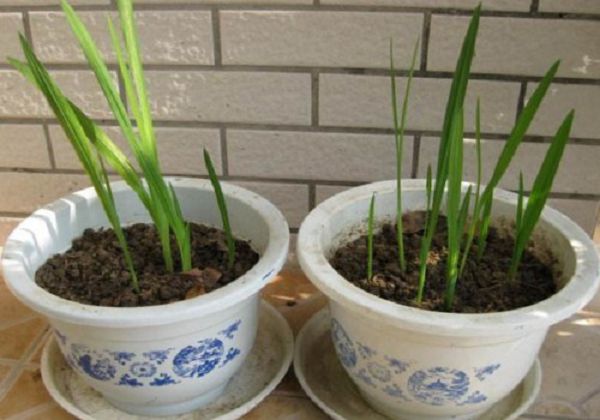
Potted flowering plants usually have certain requirements for plant height, especially when grown indoors at home, where the plant's height matters even more, since indoor space is limited and potted plants cannot be allowed to take up too much room. Therefore, we generally choose dwarf varieties of flowering plants for growing as indoor potted plants.
Freesia is a flowering plant that grows quickly, produces abundant blooms and has a rich fragrance, making it very suitable for growing as a flowering potted plant. But freesia's stems and leaves also tend to grow rather soft, so the stems and leaves can hardly support their own weight and are prone to lodging. Freesia also easily becomes leggy, which inevitably worsens the lodging.
Sometimes we find that potted freesia grows quite tall, and if no support is provided for it, it lodges very easily, which affects its ornamental value and can even hinder normal growth.
To avoid this, we first need to choose dwarf varieties of freesia. If freesia still grows too tall, it is most likely a case of leggy growth. The main cause of leggy growth in freesia is insufficient light, because freesia is quite light-loving, and in an environment lacking light, the stems and leaves easily become leggy.
Of course, to avoid leggy growth in freesia, we can also pinch out or top the plant, promptly removing the apical dominance. Once the plant loses its apical dominance, the growth points become distributed, prompting the plant to sprout side branches, and with a little care, the side branches will also grow quite sturdy; later on, they may not even need support and will not lodge.
It can be seen that to avoid leggy growth in freesia and keep plant height within an acceptable range, we can achieve this by choosing dwarf varieties to cultivate, pinching out or topping in time, and ensuring adequate light. If leggy growth has already made the plant too tall, we can prune away some of the stems and leaves. However, when pruning, it is generally required to cut at an angle, so that the potted plant looks more attractive overall.
In addition, after pruning we should also appropriately increase light. This is because freesia growing too tall is mostly caused by leggy growth. And leggy growth is mostly caused by insufficient light, so promptly providing sufficient light is an important measure to prevent leggy growth in freesia and keep it from growing too tall. Since leggy growth makes freesia too tall, which is neither attractive nor good for flowering and also easily leads to lodging, we should avoid it as much as possible.