-

Detailed Explanation of Propagation, Cultivation Methods and Shaping and Pruning Techniques for Hokkaido Boxwood
Hokkaido boxwood is a cultivated variety of large-leaf boxwood (Euonymus japonicus), an evergreen broadleaf tree species in the Celastraceae family, genus Euonymus, native to Japan. It grows relatively fast, with maximum annual height growth reaching up to 170 cm. The tree has an upright posture and stays green all year round; after autumn, its fruit has extremely high ornamental value, making it an excellent tree species for adding greenery and color in northern winters.
-
Pruning and shaping flowers this way brings better blooming results
Pruning and shaping flowers to achieve the desired blooming effect
-
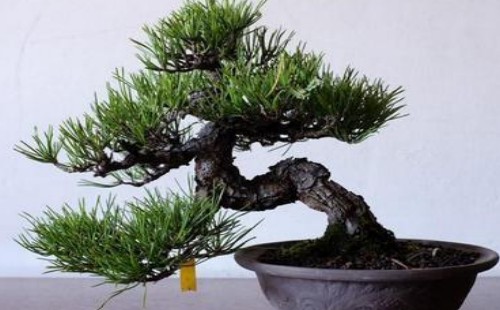
What are the shaping techniques for curved-trunk bonsai?
Curved-trunk bonsai not only have very elegant postures, but also present varied, rich and colorful forms; however, the shaping methods used are all the same, changing in countless ways yet never departing from their fundamental principle. Precisely because of this, we are often required to pay attention in daily life to observing the growth forms of various tree species in nature
-
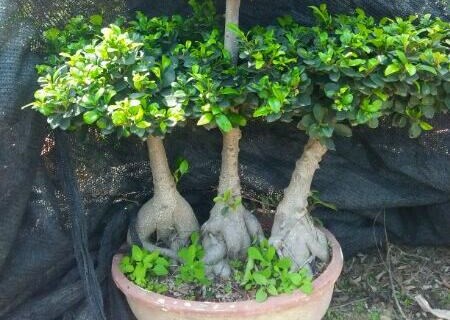
Care, pruning, shaping, and pest and disease control for small-leaf banyan (also known as elegant banyan) bonsai
The small-leaf banyan is a tree species and an important landscape plant, with dense greenery and a beautiful tree shape. At the same time, small-leaf banyan bonsai are extremely popular on the market and deeply loved by people. So do you know how to care for a small-leaf banyan bonsai? How to prune and shape it? How to prevent and control pests and diseases? How to care for a small-leaf banyan bonsai
-
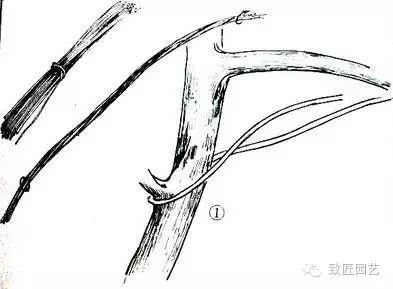
A Detailed Guide to Bonsai Bending and Shaping Techniques
In bonsai shaping, bending is an indispensable technique and one that is used often. So how do you bend a bonsai? This article will give you a brief introduction to bonsai bending techniques and methods, using palm fiber tying...
-
An Introduction to the Characteristics of Lingnan Penjing: Style and Shaping Features
China has a vast territory, rich in land and resources. Because each region has a different geographical environment and greatly differing climates, the plants grown in each place have their own characteristics, the tree species vary, and the subjects and techniques of penjing creation are likewise not the same. Since the art of penjing is a reflection of the author's subjective thinking and emotions, the penjing created in each region
-
Why do flowers and plants need pruning and shaping? The main reasons are these
Why do flowers and plants need pruning and shaping?
-

A detailed guide to pruning and shaping techniques for potted flowers, helping you grow refined plant forms
Master the pruning and shaping techniques for potted flowers and start your journey to refined flower growing
-
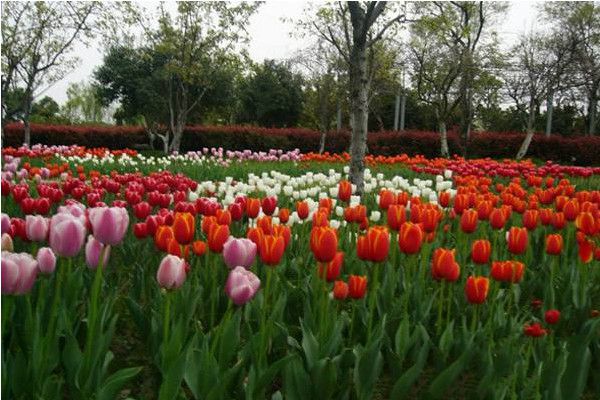
Dos and Don'ts of Soil Selection for Household Flowers and Key Points of Pruning and Shaping
Dos and Don'ts of Soil Selection for Household Flowers and Key Points of Pruning and Shaping
-
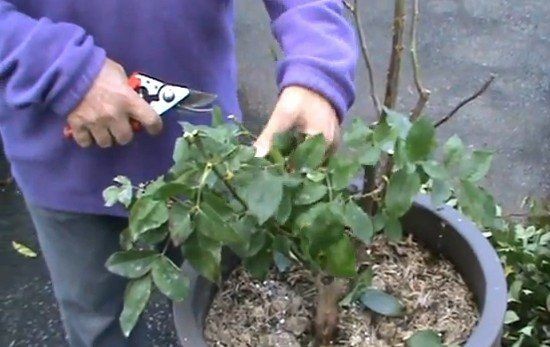
Key Technical Points and Precautions for Pruning and Shaping Potted Roses
How to prune roses is definitely a challenge for beginner flower lovers, and pruning can promote buds, promote flowers, renew the plant's branches, reduce pests and diseases, concentrate nutrients to supply strong branches for flowering, improve the plant's ventilation and lighting conditions, and control the plant shape
条件筛选