A detailed guide to pruning and shaping techniques for potted flowers, helping you grow refined plant forms
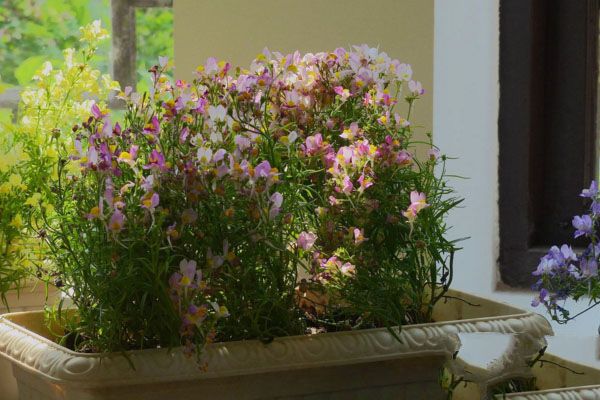
Growing potted flowers is not like growing cacti, where you just water them regularly, give them sunlight, and let them grow on their own. Potted flowers require much more care. To help potted flowers grow better and to control their growth shape, you must prune them from time to time.
For potted flowers grown at home, during the growing process, in order to promote plant growth and control the plant form, they must be pruned and shaped frequently.
I. Pruning techniques that promote plant growth
1. Pinching
Pinching, or removing the growing tip, is the action of removing the terminal bud of a flowering plant. Its main purpose is to control plant height and promote the growth of lateral buds. It is often used during the growth of flower seedlings, especially for some herbaceous flower varieties. Through pinching, the growth of lateral buds can be promoted, achieving a full plant form.
2. Bud removal
Bud removal means breaking off excess buds. Bud removal is done to concentrate nutrient supply in the plant while also controlling its shape. For example, roses pruned in winter may sprout multiple buds at the same time in spring, and at this point the excess or weaker buds need to be broken off.
4. Leaf removal
Leaf removal means removing the leaves of flowering plants. During cultivation, many flowers may suffer from poor ventilation due to excessive or overly dense leaves. Removing some leaves helps strengthen the internal ventilation of the plant and prevents the occurrence of pests and diseases. At the same time, removing oversized leaves can increase the uniformity of light the plant receives, which is beneficial for even plant growth. For example, during the growth of petunia seedlings, the method of removing large leaves can be used to increase the light reaching lateral buds, thereby promoting their growth.
5. Topping
Topping is cutting off the top of the plant, usually applied to larger potted plants. Topping is mainly used to control plant height and prevent the plant from growing too tall.
6. Branch pruning
Branch pruning is often used for woody flowers, especially some woody bonsai flowers. When too many new branches grow, they should be pruned in a timely manner to maintain their beauty. When pruning branches, attention should be focused on removing dead branches, parallel branches, crossing branches, and so on.
7. Bud thinning
Bud thinning means removing excess flower buds. It is done to concentrate the plant's nutrient supply so that the flowers bloom large and vivid. For example, camellias and roses often need thinning to make the flowers bloom large and vivid, keeping only one flower bud per branch tip.
II. Shaping and pruning techniques for potted plants
1. Post-bloom pruning
Post-bloom pruning is an important task in shaping potted plants. Post-bloom pruning includes removing spent flowers and shaping pruning. Removing spent flowers is done to avoid excessive nutrient consumption, and doing shaping pruning at the same time helps regulate the plant form of potted flowers and promote the production of the next round of flower buds.
2. Thinning
For potted plants that grow too luxuriantly and have overly dense branches, branch thinning is needed. Cut off overly dense branches, as well as inner branches and crossing branches, to strengthen the plant's ventilation.
3. Shaping pruning
Shaping pruning is mainly for woody potted flowers. Usually a shaping pruning is done after flowering, and generally in winter, after the potted plant enters dormancy, a heavy pruning is done again to control the overall shape of the potted plant. For example, roses need to be cut back after flowering, and after entering dormancy in winter, they need heavy pruning.
If you really love flowers, put more care into your potted flowers. If you cannot take care of these potted plants in time, the editor suggests choosing plants with relatively strong survival ability, such as cacti.