A Detailed Guide to Spider Plant Care: Master These Points to Easily Keep It in Great Shape
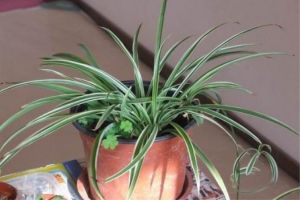
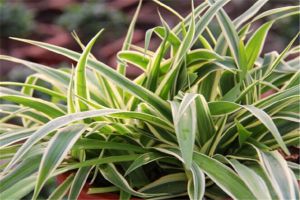
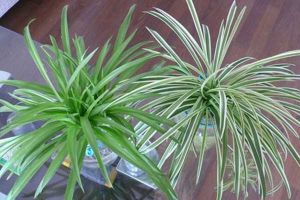
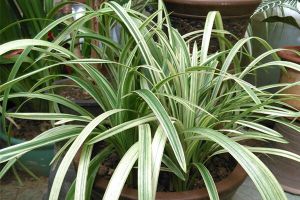
The spider plant (Chlorophytum comosum) is a very common foliage plant in the home, with slender, soft leaves that droop naturally and stay green all year round. Common varieties include the golden-edged spider plant, the silver-edged spider plant, and the golden-hearted spider plant. It is highly adaptable and undemanding about its environment, making it a recognized easy-to-grow green plant. It looks great placed in the living room, on a balcony, or on a desk, and it also helps purify the air to some extent.
When caring for a spider plant, light and watering are key. It likes bright, indirect light and dislikes direct strong sunlight. In summer, it is best placed in a ventilated, semi-shaded spot, otherwise the leaf tips tend to turn yellow and dry out. Follow the principle of watering when dry and letting it dry out between waterings: water thoroughly only after the surface of the potting soil has dried. Never let water sit in the pot for long periods, or the roots will easily rot. A loose, breathable, well-draining leaf mold or sandy soil is best.
As for temperature and fertilizing, the spider plant likes a warm environment. In winter, take care to protect it from the cold and keep it warm, and avoid direct cold drafts; when the temperature is on the low side, its growth will slow down noticeably. During the growing season, apply light fertilizer frequently, mainly a dilute liquid fertilizer; too high a fertilizer concentration can easily burn the roots. Mist the leaves occasionally to maintain humidity, and the foliage will become glossier and more richly green.
In everyday care, if the leaves turn yellow, it is usually related to overwatering, too much light, or insufficient nutrients. First identify the cause, then make adjustments accordingly. If the roots have rotted, take the plant out of the pot promptly, trim off the rotted roots, and replant it in fresh, loose soil. In addition, the small plantlets that grow on the spider plant's runners can be cut off and planted separately, making it easy to propagate new potted plants.
Related Reading