-

Angelica sinensis with shade net coverage: high yield increase and quality improvement benefits
The shade cultivation technique for Angelica sinensis starts from the three-leaf stage of its growth (that is, from mid-May to early August after summer begins, when temperatures are high and light is intense). A shade net with a 50% shading rate is timely placed over Angelica sinensis, providing a suitable micro-environment of moderate temperature, weak light, and moisture that mimics its original ecological growing conditions. By lowering temperature, increasing humidity, and reducing light, it reduces the early bolting rate of Angelica sinensis in dry flatland cultivation to about 30%; moreover, shade cultivation of Angelica sinensis also helps prevent and reduce pest and disease damage, thus improving the quality of Angelica sinensis.
-
Key Techniques for Shade Net Coverage Cultivation of Allium Vegetables
Chives, scallions, garlic and other allium vegetables prefer cool climates and have poor heat tolerance, but they tolerate shade well. Cultivating them under shade net coverage during the high-temperature seasons of summer and autumn can promote growth and increase both yield and quality. For example, after covering chives, the leaf tips show no scorching, the leaves are tender and green, and the quality is noticeably improved. For garlic planted in August, covering with shade net increased the seedling survival rate by 44.54% compared with no covering, and plant height and leaf number increased significantly. In shade net coverage cultivation of allium vegetables, floating row cover can be used after sowing and before emergence, and after emergence, large tunnels, flat shelters and small arched tunnels can be used for covering.
-
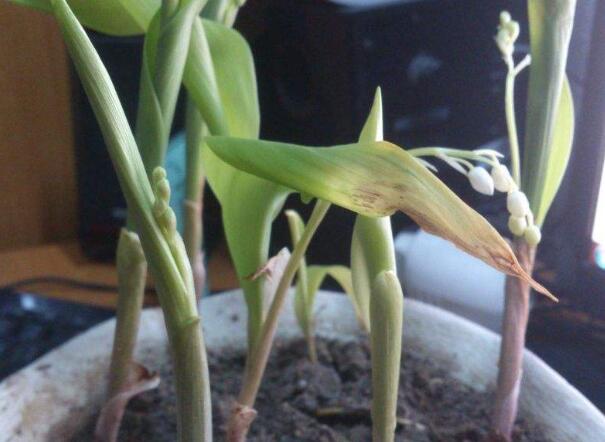
What to do when lily of the valley leaves turn yellow? Grow it indoors in partial shade and prevent pests and diseases in time
Lily of the valley is a white flower that gives people a feeling of pure, flawless beauty and has extremely high ornamental value. Precisely because it looks so spotless, any yellowing will ruin its overall beauty. As for what to do when lily of the valley leaves turn yellow, it is actually related to many aspects
-
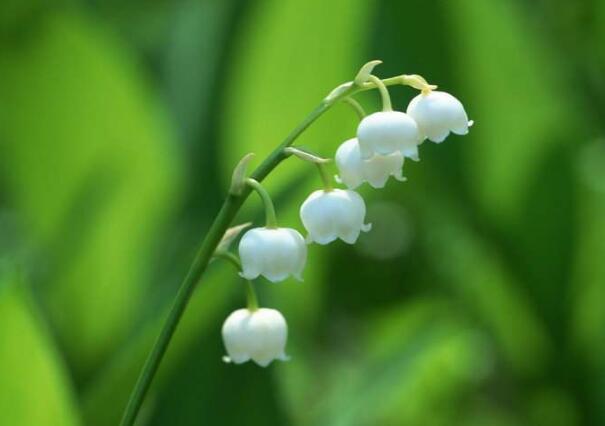
Lily of the Valley Growing Methods and Precautions, Suitable for Care in Semi-Shade
Lily of the valley is a plant with a very elegant temperament and high ornamental value, and it is also a plant that many growing enthusiasts quite like. How to grow lily of the valley is also a question many people care about. Below are the growing methods and precautions for lily of the valley; those interested can take a look.
-
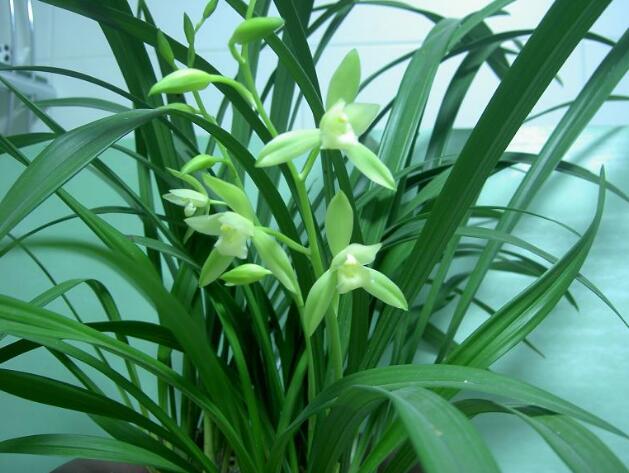
How to grow Cymbidium ensifolium? Place it in partial shade and master the cultivation methods and precautions
Cymbidium ensifolium is a fairly common plant in people's lives today, with extremely high ornamental value. How to grow Cymbidium ensifolium is also a question many people care about. To grow it well, attention must be paid to many aspects. Below is an introduction to the cultivation methods and precautions for Cymbidium ensifolium
-
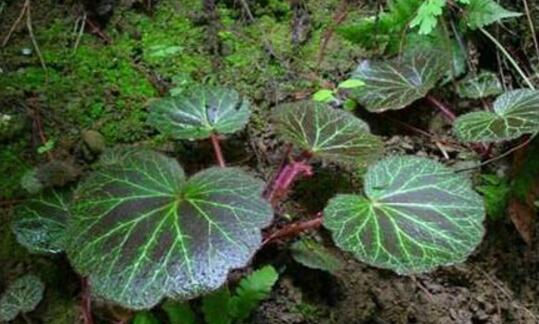
What to Do When Saxifraga stolonifera Leaves Turn Yellow? Water More, Fertilize More, Provide Shade, Prevent Disease, Control Temperature
During the growing season, the underside of Saxifraga stolonifera leaves should be green. However, sometimes the leaves turn yellow because the methods and precautions for growing potted Saxifraga stolonifera are neglected. So what should you do when Saxifraga stolonifera leaves turn yellow? The answer is to find the cause and treat it accordingly.
-
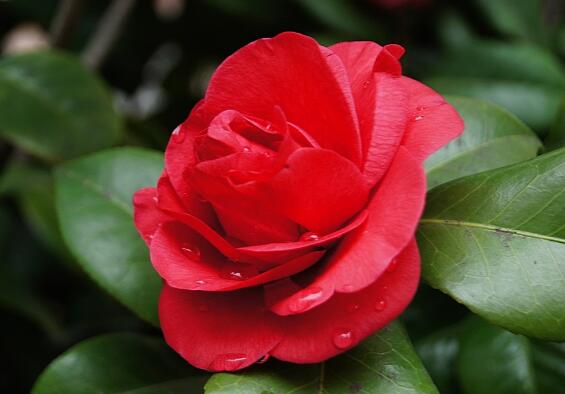
What to do when camellia sasanqua leaves turn yellow? Control watering, adjust temperature, and shade from strong light
Camellia sasanqua, a famous flowering plant equally prized for its blooms and foliage, combines the virtues of camellias and beauty, making it an ideal choice for indoor growing. However, during cultivation, improper care and other reasons can cause the symptoms of yellowing leaves in camellia sasanqua, so what should you do then
-
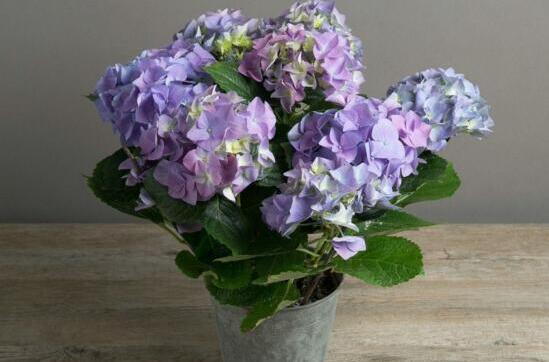
What to do when hydrangeas wilt? Sudden environmental changes are the main cause; you can increase water and provide appropriate shade
Hydrangea, as the name suggests, is a flower that looks like a hydrangea ball. Its colors are vivid and it is deeply loved by flower enthusiasts. However, during cultivation, many flower lovers encounter problems, such as wilting. So what should be done when hydrangeas wilt? At this point, you should not panic, but should find the cause and then address it specifically.
-
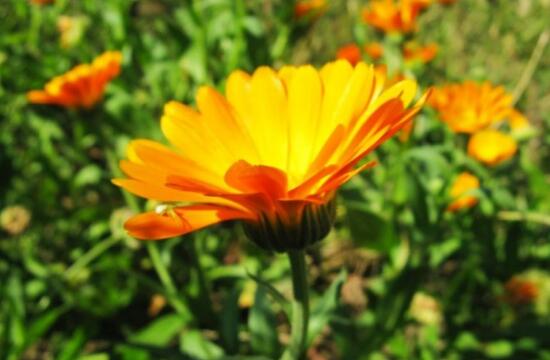
How to grow pot marigold (Calendula officinalis)? Growing methods and precautions, shade needed in spring, summer and autumn
Pot marigold, anyone who has seen it should be deeply impressed; its flowers are brilliantly colored, dazzling with golden light, just like a golden lantern, and it is deeply loved by flower enthusiasts. In daily life, many people want to bring pot marigold into their homes to decorate their living spaces, so how do you grow pot marigold?
-
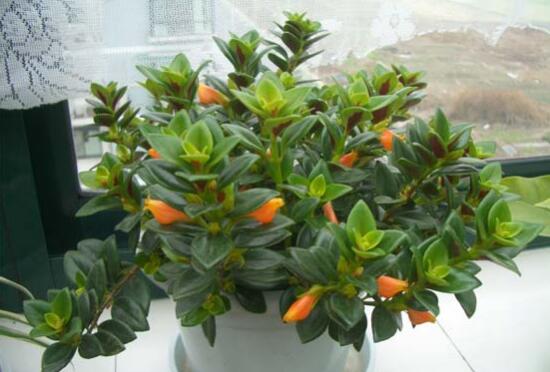
What to do when the goldfish plant drops its leaves? Shade it, adjust the temperature, and spray to prevent and control pests and diseases
The goldfish plant (Nematanthus gregarius), a common indoor potted plant, has emerald-green leaves and flowers shaped like goldfish, giving it extremely high ornamental value. In daily life, many people grow the goldfish plant, but during cultivation they often run into headache-inducing problems, such as the goldfish plant's leaves turning yellow and dropping
条件筛选