How to grow Cymbidium ensifolium? Place it in partial shade and master the cultivation methods and precautions
Cymbidium ensifolium is a fairly common plant in people's lives today, with extremely high ornamental value. How to grow Cymbidium ensifolium is also a question many people care about. To grow it well, attention must be paid to many aspects. Below is an introduction to the cultivation methods and precautions for Cymbidium ensifolium. Flower enthusiasts who are interested can take a look.
I. How to grow Cymbidium ensifolium / Avoid direct sunlight
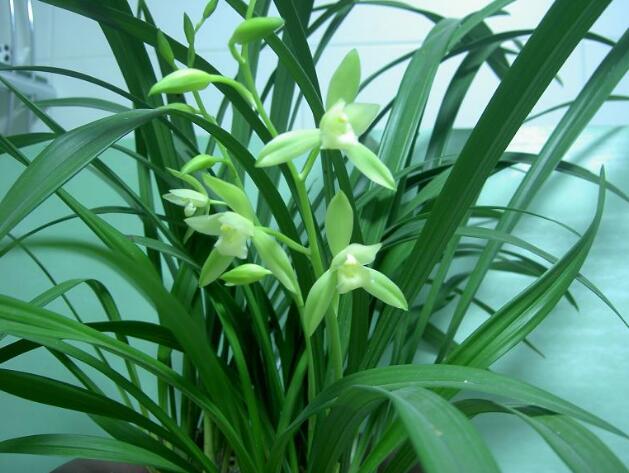
How to grow Cymbidium ensifolium is greatly related to its soil selection, temperature control, and duration of sunlight. As long as you master the correct methods, it is actually fairly simple. For the specific methods, see the cultivation methods and precautions for Cymbidium ensifolium below.
II. Cultivation methods and precautions for Cymbidium ensifolium
1. Planting season
This plant, Cymbidium ensifolium, is more suitable for planting in spring and autumn. The climate in these two seasons is the most suitable for the growth of Cymbidium ensifolium. There is one more thing everyone should note: when cultivating it, it is best to place it in partial shade, because this plant does not particularly like direct sunlight.
2. Pot and soil selection
In the cultivation methods and precautions for Cymbidium ensifolium, the selection of pots and soil is also a fairly important part. When choosing a flower pot, it is best to choose a simple, antique-style purple clay pot, because this plant, Cymbidium ensifolium, has an elegant and understated quality. If you choose a pot that is too flashy, it will affect its overall beauty.
3. Environmental requirements
When cultivating Cymbidium ensifolium, you must control the indoor temperature well. The most suitable growing environment for Cymbidium ensifolium is between 15-23°C, and during cultivation you should pay attention to ventilation. Do not place it in a rather stuffy environment, as this is very unfavorable for the growth of Cymbidium ensifolium.
4. Control light
This plant, Cymbidium ensifolium, does not particularly like direct sunlight. Especially in summer, when the sunlight is too intense, you should pay attention to shading. At this time, it is best to move it indoors to a semi-shaded place for cultivation. In winter, when the light is not strong, it can be moved outdoors without shading. This can effectively enhance the resistance of Cymbidium ensifolium.
5. Watering requirements
When cultivating Cymbidium ensifolium, you need to know when to water it. Generally, you can choose to touch the soil with your hand. If it does not stick to your hand, it means it needs watering, and at this time you can water the Cymbidium ensifolium. When watering, be careful to water evenly and ensure that the moisture is distributed evenly. This is more favorable for the growth of Cymbidium ensifolium and also makes root rot less likely to occur.
How to grow lily of the valley, cultivation methods and precautions for lily of the valley / Cultivate in partial shade
Lily of the valley is a plant with a very elegant temperament and high ornamental value, and it is also a plant that many cultivation enthusiasts like. How to grow lily of the valley is also a question many people care about. Below is information on the cultivation methods and precautions for lily of the valley. Those who are interested can take a look.
I. How to grow lily of the valley / The method is very important
How to grow lily of the valley requires attention to aspects such as environment, season, and watering methods. Understanding these aspects will also be of great help to the cultivation process of lily of the valley. In short, growing any plant is the same: mastering the methods well will make your cultivation process smoother. The methods are as follows; let us continue reading.
II. Cultivation methods and precautions for lily of the valley
1. Environment selection
Lily of the valley is a plant suitable for growing in a cool environment. Its requirements for sunlight are not very strong. Generally, placing it indoors in partial shade is best for its growth, and lily of the valley grown in this environment will also be more robust.
2. Cultivation season
For how to grow lily of the valley, the choice of season is very important. The season most favorable for the growth of lily of the valley is spring each year. Spring is also the best period for cultivating lily of the valley, so if everyone wants to grow a lily of the valley at home, it is best to choose spring.
3. Water frequently
In the process of cultivating lily of the valley, the watering method is also a point that requires relatively more attention. This plant, lily of the valley, is naturally fond of moisture and is not very drought-tolerant, so when cultivating it, be sure to remember to water frequently, and when watering, be sure to water thoroughly. However, remember not to cause water accumulation, otherwise root rot may occur.
4. Plant spacing control
If you are planting lily of the valley in outdoor soil, plant spacing also requires attention. It is best not to plant them too densely. Generally, a spacing of 15cm between each plant is optimal, and this will also be more favorable for the growth of Cymbidium ensifolium.
What to do if the leaves of Cymbidium ensifolium turn yellow: change the soil in time / pay attention to fertilization methods
Cymbidium ensifolium is a plant cultivated in major gardens across our country, with extremely high ornamental value. But no matter how high the ornamental value is, if yellowed flowers appear, it will still affect its overall beauty, because it will look very out of place. What to do if the leaves of Cymbidium ensifolium turn yellow? Actually, once you find the right method, it is fairly easy to solve. Let us look at the specific methods below.
I. What to do if the leaves of Cymbidium ensifolium turn yellow / Pay attention to fertilization methods
When the leaves of Cymbidium ensifolium turn yellow, we must first find the cause, because only by finding the cause can we better deal with it in a targeted way. There are many causes of yellowing leaves in Cymbidium ensifolium. Fertilization, incorrect methods of absorbing sunlight, and the appearance of pests and diseases can all cause this problem. If it is caused by pests and diseases, everyone can refer to the article on pest and disease control for Cymbidium ensifolium, which contains detailed solutions. I will not introduce too much here.
II. Causes of yellowing leaves in Cymbidium ensifolium
1. Incorrect soil selection
Choosing soil is the first step in planting Cymbidium ensifolium, and it is also a very important step, with many points requiring attention. When choosing soil, it is best not to choose soil that is too sticky, because if it is planted in this kind of soil, it may lead to difficulty in absorbing nutrients and cause the leaves to turn yellow.
Solution: When choosing soil before planting Cymbidium ensifolium, it is best to choose relatively loose soil. For example, a mixed soil of humus soil, coarse sand, and garden soil is very good. This can make the soil drain better and make it easier for Cymbidium ensifolium to absorb nutrients.
2. Too much or too little sunlight
When cultivating Cymbidium ensifolium, sunlight is a very important point. If it is placed in a place with direct sunlight, scorching is very likely to occur, causing the leaves to lose vitality and turn yellow. Of course, if it is placed indoors where it cannot see sunlight for a long time, Cymbidium ensifolium will be unable to perform photosynthesis and will lack nutrients, gradually turning yellow.
Solution: This plant, Cymbidium ensifolium, does not like direct sunlight. Especially in summer, the season with strong sunlight, it is best to move Cymbidium ensifolium indoors to a partial shade place for cultivation. The environment must be ventilated. This can avoid direct sunlight while also preventing it from failing to absorb nutrients from sunlight.
3. Incorrect fertilization method
Incorrect fertilization methods or choosing the wrong fertilizer can both cause the leaves of Cymbidium ensifolium to turn yellow. During fertilization, the fertilization method is key. Once the right method is found, it is fairly simple to deal with.
Solution: During the growth of Cymbidium ensifolium, there are three fertilizations that are very important and absolutely indispensable. They are the bud promotion period, the germination period, and before the flowering period. During the bud promotion period, granular fertilizer can be chosen for external application to the roots. During the germination period, choose nitrogen fertilizer for once-a-week fertilization. Before the flowering period, choose phosphorus fertilizer for once-a-week external application to the roots.
Regarding what to do if the leaves of Cymbidium ensifolium turn yellow, I believe friends who have read the above should know how to solve this problem. As has been said, as long as you find the cause of the yellowing, it is still fairly simple to deal with. In any case, I still hope this article can bring everyone some help.