What to do when the goldfish plant drops its leaves? Shade it, adjust the temperature, and spray to prevent and control pests and diseases
The goldfish plant (Nematanthus gregarius), a common indoor potted plant, has emerald-green leaves and flowers shaped like goldfish, giving it extremely high ornamental value. In daily life, many people grow the goldfish plant, but during cultivation they often run into headache-inducing problems, such as the goldfish plant's leaves turning yellow and dropping. So what should you do when the goldfish plant drops its leaves? Today, the editor will solve this problem for everyone.
1. What to do when the goldfish plant drops its leaves: find the cause
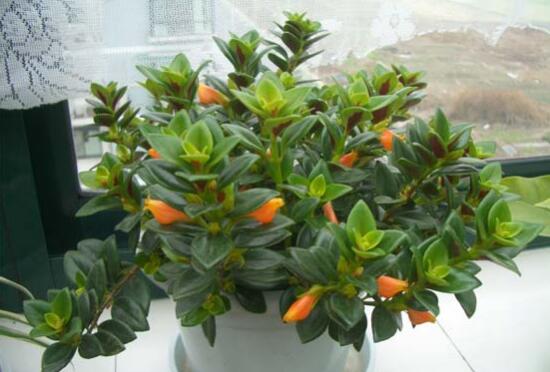
Among indoor potted plants, the goldfish plant is notoriously difficult to grow. Especially for beginners, if you do not follow the proper cultivation methods for the goldfish plant, leaf drop may occur. What exactly is going on? For this, the editor will analyze the reasons for the goldfish plant dropping its leaves one by one from several aspects such as light, temperature, pests and diseases, and attach solutions. Let's read on.
2. Causes of the goldfish plant dropping its leaves and solutions
1. Moving the flowerpot
As for the reasons the goldfish plant drops its leaves, there are actually just a few. First, everyone should consider whether moving the flowerpot caused it. Because when grown indoors, it is not suitable to move the pot frequently. Especially during the goldfish plant's flowering period, moving the pot frequently will accelerate the time it takes for the flowers to wither and cause the leaves to drop.
Solution: Take the entire goldfish plant out together with the soil, then rinse the soil off with clean water, and then change the potting soil and replant it, being careful not to damage the roots and root hairs. To avoid this situation, after placing it in a suitable spot, do not change its position often.
2. Too much light
The goldfish plant is a shade-loving plant and does not need much light. When growing the goldfish plant, sometimes too much light or prolonged exposure to light will cause it to drop its leaves.
Solution: The goldfish plant likes a semi-shady environment. In spring and autumn, avoid direct strong sunlight. In summer, when the sunlight is especially strong, it can only receive some slanting light in the morning and evening, and during the day 50%—70% of the sunlight needs to be blocked.
3. Improper watering
The goldfish plant likes a moist environment, so we should water it frequently to keep the potting soil moist; however, it is also afraid of waterlogging, so it should not be watered too much. If there is standing water in the pot or drought, it is easy to cause the goldfish plant to drop its leaves.
Solution: Move the flowerpot to a ventilated place with diffused light so the water evaporates quickly; in serious cases, you can change the potting soil and replant it. Afterward, in spring, summer, and autumn, keep the potting soil moist, following the principle of watering when dry and stopping when wet; in winter, the goldfish plant enters its dormant period, when growth is slow, so the amount of watering should be reduced accordingly.
4. Improper temperature
When growing the goldfish plant, temperature regulation is very important. The most suitable temperature for the goldfish plant's growth is between 15-20°C. Once the temperature is too low (10°C) or too high (30°C), the goldfish plant will drop its leaves.
Solution: Regulate the temperature. When growing the goldfish plant indoors, the temperature should not be too high or too low; keeping it at 20°C is enough, and in winter the indoor temperature should be kept at around 5°C.
5. Affected by pests
When growing the goldfish plant, for various reasons, it will inevitably be harmed by pests and diseases. Pests have a great impact on plants and may affect the plant's roots, stems, and leaves, causing root and stem rot. Once the plant is damaged, it is very likely to drop its leaves.
Solution: What to do when the goldfish plant drops its leaves? At this point, we need to find out which pest or disease is causing the leaf drop, and then spray accordingly to solve it. As for what to spray, there is a detailed introduction in the pest and disease control section for the goldfish plant, so I will not say more here.
Regarding the reasons the goldfish plant drops its leaves, after reading the above content, everyone should know! In fact, leaf drop is caused by one reason, but it is often the result of multiple factors, so when you encounter this situation, you must make a correct diagnosis so that you can treat the root cause.
What to do when the goldfish plant drops its leaves: causes of the goldfish plant's leaves turning yellow and solutions
During the planting process, plants always develop all kinds of problems, such as dropping leaves, leaves turning yellow, the plant not growing tall, or the plant growing leggy, as well as root rot and yellow spots, and so on. For these problems, we first need to look for the causes of the problems, and then treat the root cause to solve them.
What to do when the goldfish plant drops its leaves
1. Too much light when growing the goldfish plant
When growing the goldfish plant, sometimes too much light will cause it to drop its leaves. The goldfish plant is a shade-loving plant and does not need much light. If it is exposed to light for a long time, it will easily drop its leaves.
Therefore, when growing the goldfish plant, in spring and autumn you should be careful to avoid direct strong light, and in summer you should pay even more attention to shading.
2. Improper watering when growing the goldfish plant
The goldfish plant has relatively high water requirements. When growing it, there should not be too much or too little; both standing water and drought can easily cause it to drop its leaves.
Therefore, ensuring reasonable watering is very important.
3. Moving the flowerpot when growing the goldfish plant
When growing plants, actually everyone does not really recommend moving the pot frequently, because especially during the flowering period, moving the pot frequently will accelerate the time it takes for the flowers to wither and cause the leaves to turn yellow and drop.
Therefore, be careful not to move the flowerpot frequently. After placing it in a suitable spot, do not change its position often. 4. Being affected by pests when growing the goldfish plant
When growing the goldfish plant, you also need to worry about pests. Pests have a great impact on plants and may affect the plant's roots, stems, and leaves, causing root and stem rot. Once the plant is damaged, it is very likely to drop its leaves.
Therefore, when growing the goldfish plant, be careful to prevent and control pests and diseases.
Causes of the goldfish plant's leaves turning yellow and solutions
1. Causes
1. Light conditions
The goldfish plant is a plant that likes a shady, cool environment. If the light is too strong, it will instead make the goldfish plant's leaves dull and yellow.
2. Watering frequency
Although the goldfish plant really likes a humid environment, it is also very afraid of waterlogging, so do not let standing water remain in its pot, otherwise the leaves will turn yellow.
3. Improper temperature
The most suitable growing temperature for the goldfish plant is around 20°C. If the temperature is too high (around 30°C) or too low (around 10°C), it will cause the goldfish plant's leaves to turn yellow.
2. Solutions
1. Environment
Ensure the goldfish plant's growing environment is semi-shady, avoiding strong sunlight.
2. Water
Pay special attention to watering the goldfish plant. Ensure the potting soil is moist, but do not let standing water remain in the pot. Especially in summer, frequently spray water around the flowerpot or on the leaf surface to keep it moist.
3. Temperature
Ensure the goldfish plant's growing temperature is around 20°C, and in winter the indoor temperature should be kept at around 5°C.
Causes of yellow spots on the goldfish plant's leaves
First you need to find out what factor is causing spots on its leaves so that corresponding measures can be taken according to the different situations. The disease that causes spots on leaves is generally leaf spot disease, but the goldfish plant rarely suffers from diseases; most cases are caused by improper care, such as root rot caused by too much watering, which makes the leaves' nutrient supply insufficient, causing the leaves to turn yellow and develop spots. A lack of light can also cause yellow spots.
How to deal with root rot in the goldfish plant
After discovering root rot, first reduce the watering frequency. Do not water repeatedly; watering once each in the morning and evening is enough. After the situation improves, switch to watering once every one or two days. This not only ensures the water supply but also prevents the soil from becoming too wet. After some time, the rotted roots will gradually improve. Then you need to move it outdoors to receive more light. Winter sunlight is relatively mild, so it will not cause sunburn or yellow leaves. When the plant receives enough sunlight, the roots will naturally improve.
If there are many rotted parts of the roots and reducing watering and increasing light cannot save it, then at this point you should consider using nutrient solution. The amount of nutrient solution is not better the more the better. Recovering from root rot requires patience, and you must not rush. Note that when spraying nutrient solution, do not spray it directly into the soil or onto the roots. Direct contact with the roots is very likely to cause root burn, so try to spray it on the leaf surface so it can be absorbed better. When the root rot is relatively serious, you must cut off the rotted parts directly. Before cutting, sterilize the knife so bacteria do not come into contact with the already relatively fragile roots. The cut-off roots can simply be thrown away. Apply some rooting agent to the cut surface to ensure it can take root and recover as soon as possible.
Although the goldfish plant likes a humid growing environment, it hates waterlogging. If you find standing water in the potting soil, deal with it promptly, and change the soil if necessary to prevent it from soaking in water and developing root rot. If the root rot is very serious, it cannot be saved, so measures should be taken in advance to prevent root rot from happening.
The above article summarizes the problems that may occur during the cultivation of the goldfish plant. Once you encounter any of the above difficulties when growing the goldfish plant, you can directly look for the answers in the article, so friends who already grow the goldfish plant can save it!
What to do when the goldfish plant drops its leaves? Why does the goldfish plant drop its leaves
The goldfish plant is a plant. People who like growing plants should know that this thing appears mostly in offices. Many people may have noticed that the goldfish plant always drops its leaves? So why is that? Let's introduce it together below!
Goldfish plant
The goldfish plant (Nematanthus wettsteinii), also known as goldfish flower, kangaroo hanging plant, kangaroo flower, hanging goldfish, etc. It is a perennial herbaceous plant of the genus Nematanthus in the family Gesneriaceae, with a semi-woody base. It likes high temperature and high humidity and a shady environment. If it is placed in a sunny spot for a long time, is too dry, or the winter temperature is too low, it will cause leaf drop. The suitable growing temperature for the goldfish plant is 18-22°C, and it hates low temperatures. If the temperature is below 10°C for two consecutive days, the leaves will begin to turn yellow and dry out, to the point that even a very slight vibration will make them fall off. Besides low temperatures, a temperature continuously above 30°C will also cause leaf drop. In summer's high temperatures, the goldfish plant grows very slowly or almost stops growing. At this time, appropriate shading measures should be taken so it can grow vigorously and not drop its leaves.
Why the goldfish plant drops its leaves
1. Improper placement, light too strong
The goldfish plant likes shade and is suitable for indoor cultivation. Placed outdoors, it is relatively easy for it to drop its leaves. Therefore, in spring and autumn, avoid direct strong sunlight. In summer, when the sunlight is especially strong, it can only receive some slanting light in the morning and evening, and during the day 50%-70% of the sunlight needs to be blocked, otherwise the leaf tips will dry out.
2. Too much or too little watering
The goldfish plant likes moisture, but long-term standing water or drought will also cause leaf drop. Keep the potting soil moist frequently (the soil surface only needs to be slightly moist). In summer, watering should be sufficient, and around noon and in the evening you should also spray water on the branches and leaves to prevent the leaves from drying out.
3. Impact of pests
For example, small soil particles at the bottom of the goldfish plant's pot may mean there are ants in the soil. This is because the goldfish plant's root fluid is sweet and cool and easily attracts ants, or there may originally be some ants in the potting soil. It is recommended to find a flowerpot and replant it, then take the entire parent plant out together with the soil, and gently rinse the original soil off in a water basin or bucket full of water, being careful not to damage the roots and root hairs, and finally choose another flowerpot and replant it properly. Replanting is for safety. It is estimated that after changing the soil and transplanting, the problem you raised can be solved.
4. Caused by discomfort from repotting
If the pot is moved during the flowering period, the leaf tips may turn dry and yellow, and the flowers may wither faster. Just pull off the ones that are especially yellow, continue caring for it as usual, and pay attention to shading and keeping the leaf surface moist.
What to do when the goldfish plant drops its leaves
1. It is recommended to find a flowerpot and replant it, then take the entire parent plant out together with the soil, and gently rinse the original soil off in a water basin or bucket full of water, being careful not to damage the roots and root hairs, and finally choose another flowerpot and replant it properly. Replanting is for safety. It is estimated that after changing the soil and transplanting, the problem you raised can be solved.
2. Water appropriately. The goldfish plant likes a moist environment. Keep the potting soil moist frequently. In summer, watering should be sufficient, and around noon and in the evening you should also spray water on the branches and leaves to prevent the leaves from drying out.
The goldfish plant drops its leaves
3. Provide appropriate light. The goldfish plant likes a semi-shady environment. In spring and autumn, avoid direct strong sunlight. In summer, when the sunlight is especially strong, it can only receive some slanting light in the morning and evening, and during the day 50%-70% of the sunlight needs to be blocked, otherwise the leaf tips will dry out.