-
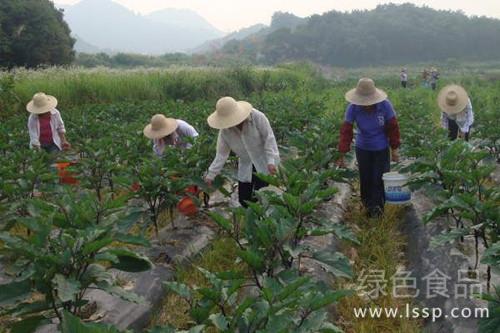
How to improve the fruit-setting rate of eggplant? Raising temperature, increasing light, reducing humidity, and foliar topdressing
Measures to improve the fruit-setting rate of eggplant by raising temperature, increasing light, reducing humidity, and foliar topdressing
-
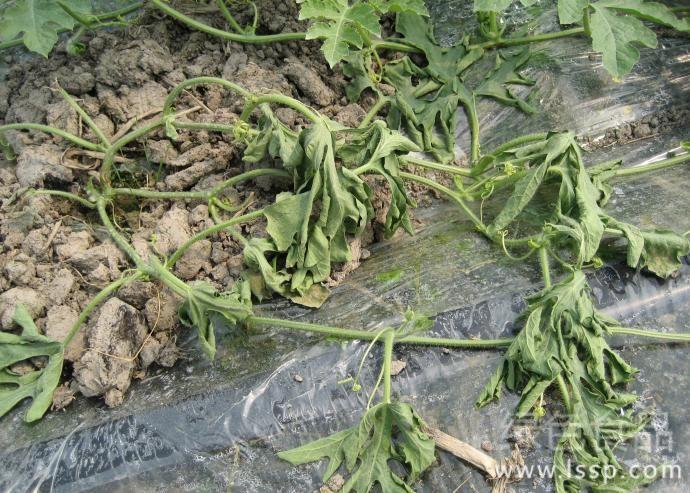
Watermelon is prone to Fusarium wilt during the fruit-setting stage; how can it be prevented and controlled?
Watermelon is prone to Fusarium wilt during the fruit-setting stage; how to prevent and control watermelon Fusarium wilt
-
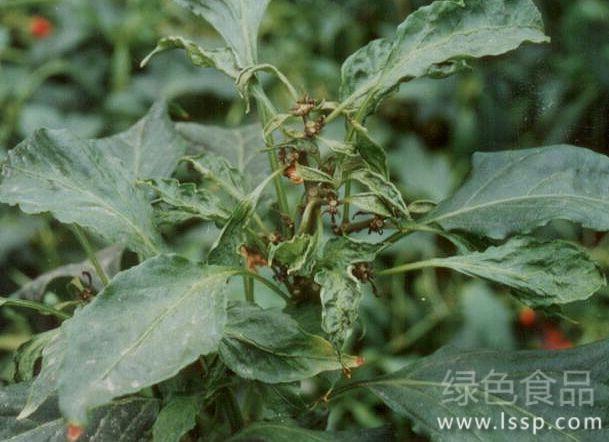
Control Methods for Pepper Not Setting Fruit Due to Broad Mites
How to Control Broad Mites on Peppers When They Cause Failure to Set Fruit
-
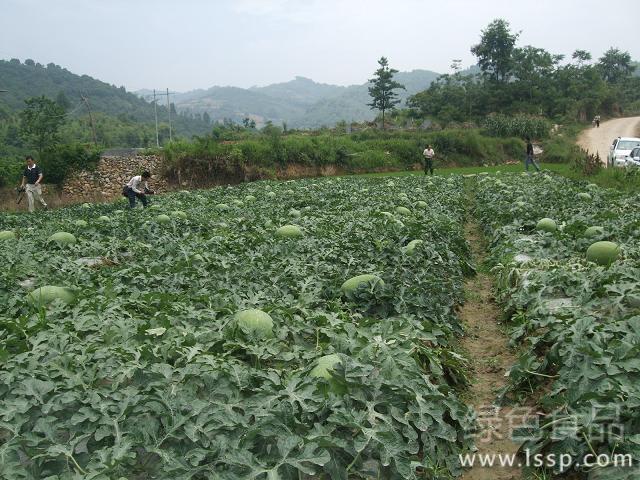
Watermelon failing to set fruit affects yield, how to improve the fruit-setting rate
Watermelon failing to set fruit affects yield, how to improve the watermelon fruit-setting rate
-
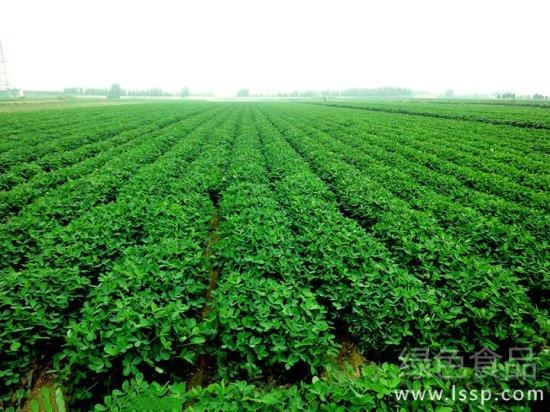
Peanut pod-setting stage management affects yield; these tasks must be done well
Peanut pod-setting stage: how yield is affected and how to do a good job of managing peanuts at the pod-setting stage
-
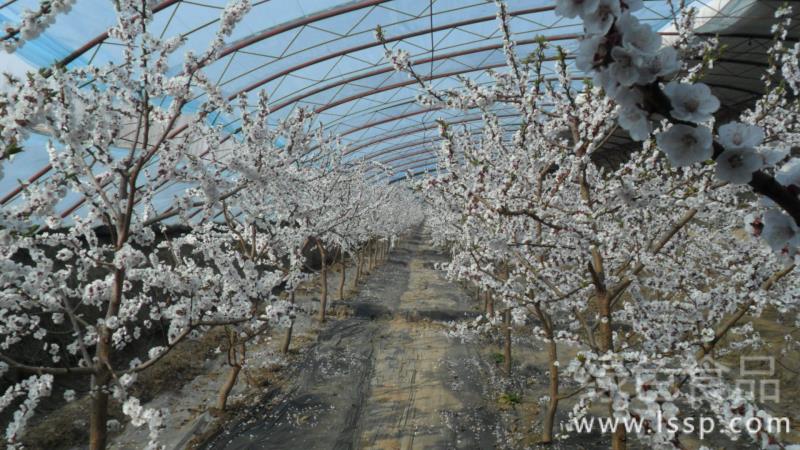
How to pollinate apricot trees in greenhouses? Master the correct method to increase the fruit-setting rate
Master the correct pollination method to increase the fruit-setting rate of apricot trees in greenhouses
-

What to do when a larch improved seed base does not flower and sets little seed? Techniques for flowering and seed setting
Fund project: Construction project of the larch and Chinese pine improved seed base at Houzhenzi Forest Farm, Zhouzhi County
-

How to manage cotton during the flowering and boll-setting stage? Jinnan District Agriculture and Forestry Bureau reminds cotton farmers to master the techniques
The flowering and boll-setting stage of cotton in Tianjin generally begins in early July and ends at the end of August, lasting 55 days. According to surveys, most of the cotton fields in our district have entered the flowering and boll-setting stage. Field management during the flowering and boll-setting stage is very important. This period is when cotton grows and develops most vigorously, and it is a period of intricate and complex contradictions among vegetative growth and reproductive growth, individuals and populations, and the cotton crop and the environment, so it is the period that determines yield. Cotton field management during this period should focus on doing the following key tasks well: 1. Increase potassium fertilizer application. Increasing
-
Technical Guidance on Cotton Management During the Flowering and Boll-setting Stage
The flowering and boll-setting stage of cotton is a critical period when vegetative growth and reproductive growth proceed together. During this stage, the plant gradually shifts from being dominated by vegetative growth to being dominated by reproductive growth. The plant grows vigorously with a large daily growth increment. It is the peak period of fertilizer and water demand in the plant's entire life cycle, and also the key period for forming economic yield. Timely and meticulous management is essential, adapted to local conditions and to the condition of the seedlings. Attention must be paid to pest and disease control, chemical regulation, pruning, and intertillage loosening of the soil, while at the same time rationally and scientifically formulating fertilizer and irrigating promptly and in appropriate amounts, so that individual plants grow steadily, the plant architecture and field population structure are reasonable, ventilation and light penetration are good,
-
What are the key measures for managing cotton during the flowering and boll-setting stage?
The main goals of cotton management during the flowering and boll-setting stage are: preserve bolls, increase boll weight, and prevent premature senescence. 1. Apply heavy flowering and boll fertilizer: The flowering and boll-setting stage is the period when cotton needs the most fertilizer throughout its entire growth period. For cotton fields with high soil fertility, abundant rain and good soil moisture, and vigorous cotton plant growth, topdressing can be done at the full flowering stage; for cotton fields with average soil fertility, drought and poor soil moisture, and weak cotton plant growth, early and heavy application should be done, with topdressing at the initial flowering stage. Generally, apply 15-20 kg of nitrogen-potassium compound fertilizer per mu. Continue to do a good job of intertillage and loosening the soil, following the principle of shallow rather than deep cultivation. 2. Water during drought, drain during waterlogging
条件筛选