-

What are the methods for selective breeding of superior varieties in gecko farming?
Once breeding stock is available, an excellent breeding population should be gradually established, so adult geckos and eggs should be further selected, with superior individuals forming the population, continuously increasing the body weight and egg production of breeding geckos, thereby improving the economic benefits of gecko farming. 1. Selection standards
-
Methods for Extending the Peak Egg-Laying Period in Pheasant Farming
Selective Breeding of Improved Breeds: Female pheasants should be robust in constitution, weighing 1 kg to 1.5 kg, well developed, docile in temperament, lively and active, with bright red wattles and combs, and large, spirited eyes. Male pheasants should have symmetrical body parts, good development, well-developed breast muscles, bright red combs, loud crowing, and full plumage
-
Which weeds can atrazine herbicide kill
Atrazine is a systemic selective pre-emergence and post-emergence soil-sealing herbicide, mainly absorbed by the roots of weeds, and after rain it can reach deeper soil layers. So, what weeds does atrazine kill? 1. What weeds does atrazine kill? It has a fairly broad weed-killing spectrum and can control many annual grasses
-
What are the application scope and suitable crops of alachlor?
Alachlor is a selective pre-emergence herbicide, and many people use alachlor to control weeds in their own farmland. What is the application scope of alachlor? Let's take a look! 1. Application scope of alachlor. Alachlor is suitable for cotton, rapeseed, corn, peanut,
-
Detailed Guide to Gamecock Breeding Techniques: Teaching You How to Raise Gamecocks Scientifically
The first step in gamecock breeding is selecting and breeding good stock, requiring a large body, strong bones, and well-developed breast muscles, with roosters weighing over 3.5 kg and hens over 2.5 kg; the second step is proper disease prevention, keeping the coop clean, and carrying out vaccination and disinfection; the third step is scientific feed formulation,
-
What are the common types of non-selective herbicides?
With the continuous development and progress of agricultural technology, it can be said that today's agricultural production has achieved many new results, including the research and development of many new herbicide varieties. At present, herbicides on the market are truly diverse, and ordinary farmers find it hard to fully
-
What are the basic principles for selective mating of cashmere goats?
Principles for selective mating of cashmere goats
-
How is the chloride ion-selective electrode method used to determine the mixing uniformity of compound feed?
May I ask how the chloride ion content is determined when using the chloride ion-selective electrode method to measure the mixing uniformity of compound feed
-
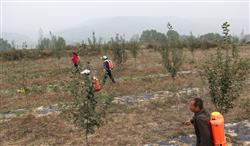
How to Use the Non-Selective Herbicide Paraquat
How is the non-selective herbicide paraquat used? What is the dosage? We ask netizens to help explain. Paraquat is a contact non-selective herbicide that can be used for weed control in orchards, mulberry fields, lawns and ditches. Zhongdi Network has compiled the usage methods, listed below for netizens' reference. Paraquat in orchards...
-
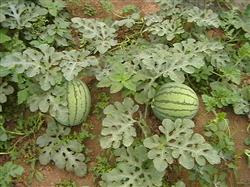
How to Cleverly Use Non-Selective Herbicides in Summer Sesame Fields
When watermelons are cultivated in greenhouses, small arched sheds and with plastic film mulch, the temperature and humidity conditions inside the protected area are suitable for weed growth, and manual weeding is inconvenient, resulting in vigorous weed growth and severe damage. Few herbicide products are registered for use in watermelon fields in China, and many farmers misuse herbicides in watermelon fields, leading to poor weed control results...
条件筛选