-

Branch selection and shaping methods for Chinese ash (Fraxinus hupehensis) bonsai stumps
Fraxinus hupehensis belongs to the Oleaceae family, genus Fraxinus. Native to Jingshan in western Hubei, it is a deciduous tree reaching over 30 m in height. Young and middle-aged trees have smooth, pale grayish-green bark, while middle-aged and old trees have vertical dark gray furrows. The new shoots that sprout in the first year should be handled according to the vigor of sprouting and branch growth of each stump. For vigorous trees
-
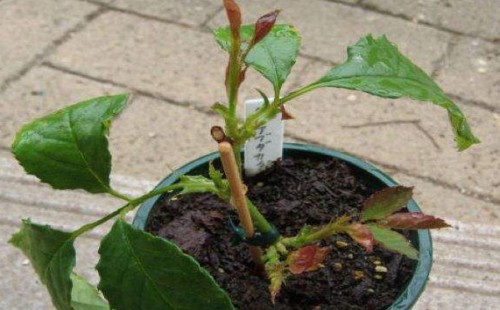
How to Choose Rose Cuttings? A Detailed Guide to Selection Methods
Rose seedlings are mostly propagated by means of cuttings, and whether the propagation of seedlings succeeds depends crucially on the choice of stems. The higher the quality of the stems, the higher the success rate after cutting will naturally be; conversely, the lower the quality of the stems, the lower the survival rate after cutting will be. So how do you choose rose cuttings?
-
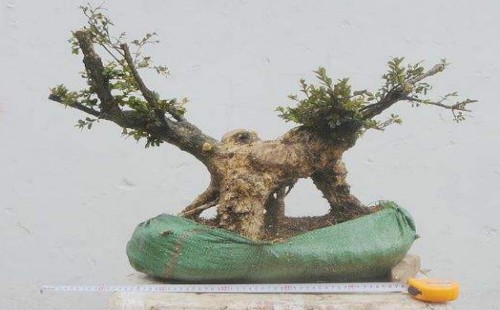
Methods and Techniques for Selecting and Removing Branches and Trunks in Boxwood Bonsai
Boxwood is a bonsai tree with strong sprouting ability and tolerance for pruning. As a bonsai, it requires regular pruning, especially the selection and removal of branches and trunks. As for which branches should be kept, which should be cut off, and to what extent certain branches should be pruned, we should have a clear and definite plan in mind
-
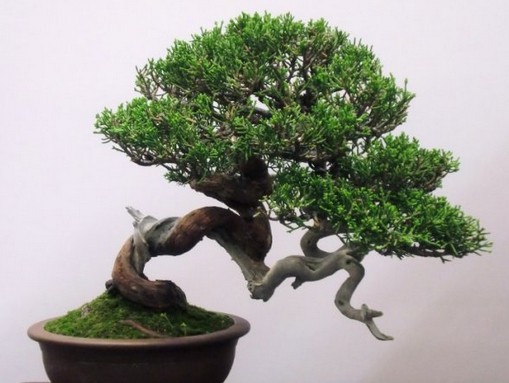
A Detailed Guide to Tree Species Selection and Styling Techniques of Suzhou-Style Bonsai
Suzhou-style bonsai is one of the five major schools of Chinese bonsai and consists of two parts: tree stump bonsai and water-and-stone bonsai. The most common varieties for tree stump bonsai include pines and cypresses, Chinese sweet plum (Sageretia thea), elm, boxwood, trident maple, Chinese fringeflower (Loropetalum chinense), crape myrtle, pomegranate, ginkgo, and others.
-
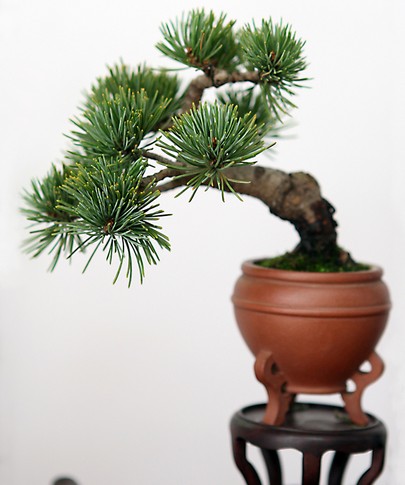
Material selection methods and techniques for making miniature bonsai
Miniature and small bonsai belong to the small-size category among bonsai artworks, with miniature bonsai being the smallest, generally under 10 cm, known as palm-top bonsai; small bonsai are 11 cm to 40 cm (Note: in this book, the first dimension given for a work is height, and the second is width). Precisely because they are known for being tiny, viewing the large within the small, and being small and exquisite
-
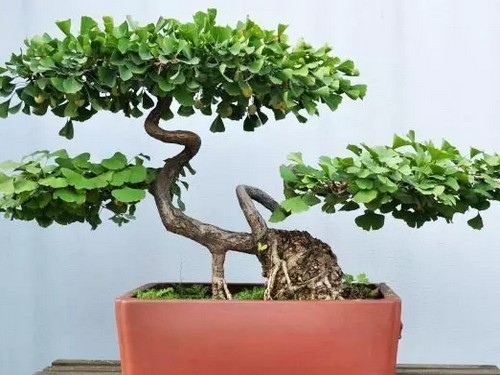
A Detailed Guide to Material Selection and Cultivation Methods for Ginkgo Bonsai
Ginkgo is a tree species with a remarkably long history of survival. Since ancient times in China, it has been regarded as an excellent material for bonsai. Ginkgo bonsai types can be divided into three kinds: foliage-appreciation, fruit-appreciation, and trunk-appreciation. To make ginkgo bonsai, one should select root-sucker seedlings from beneath large ginkgo trees and stalactite branches of ginkgo trees.
-
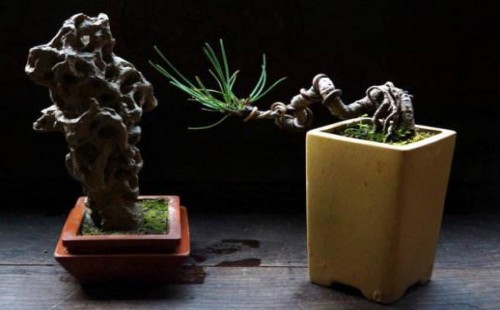
What Kind of Wire Is Best for Bonsai Shaping? A Full Breakdown of Material Selection Key Points
There are quite a few shaping techniques for bonsai trees, and different shaping techniques often need to be carried out with different tools or materials. Among them, the most commonly used is wire, but considering that ordinary wire wrapped around bark will oxidize, corrode and so on over time
-
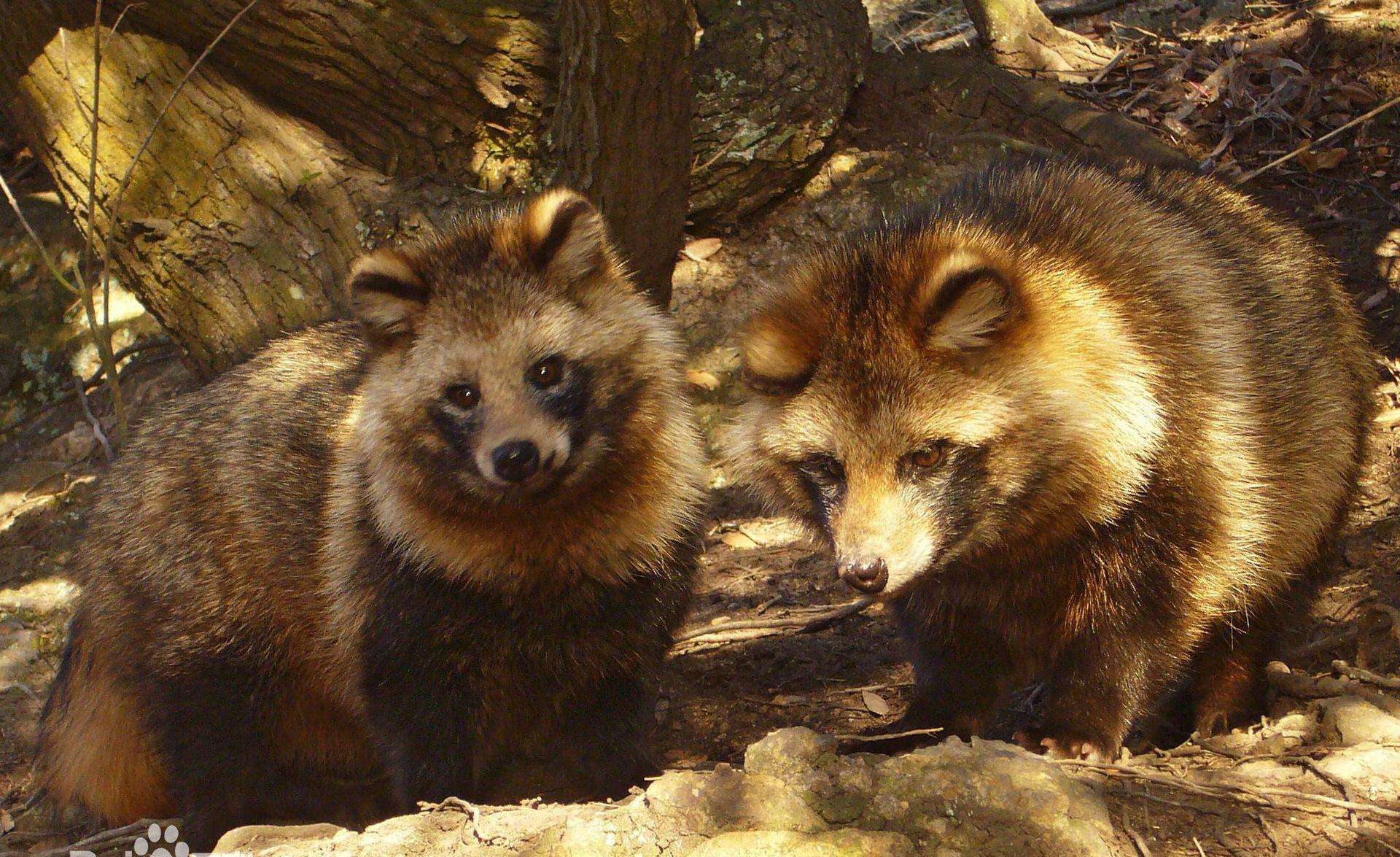
Raccoon dog breeding: breeding stock selection and feed combination video, plus 2018 prospect forecast
The raccoon dog, also known as the earth badger, bears some resemblance to the fox. Its meat is nutritious and rich, and its fur is one of China's traditional export commodities, often used to make coats, fur collars and other high-end clothing. China has many special breeding projects suitable for long-term development, and the raccoon dog, as a relatively rare animal
-
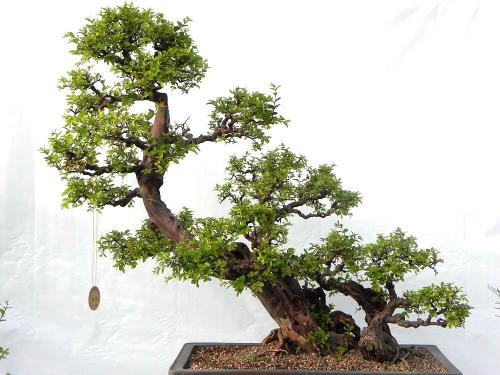
How to choose bonsai tree stumps? Detailed winter selection tips
Look at the type of tree stump. For wild stumps suitable for making bonsai, from a cultivation standpoint, they should tolerate pruning and be easy to wire; from an aesthetic standpoint, their appearance should basically satisfy the conditions of small leaves, curved branches, abundant flowers and bright fruit.
-
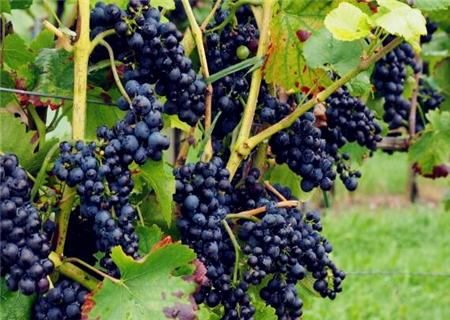
The Best Time to Plant Blueberries, Their Flowering and Fruiting Periods, and Variety Selection
Blueberry, also known as lanmei, dusi, dushi, dushi and so on, is a perennial shrub small-berry fruit tree of the genus Vaccinium in the family Ericaceae. The fruit has functions such as preventing cranial nerve aging, protecting eyesight, strengthening the heart, fighting cancer, softening blood vessels, and enhancing human immunity. So when is the best time to plant blueberries? When do they flower and fruit
条件筛选