-
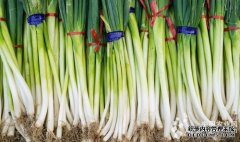
Scallion Prices Buck the Trend, Nicknamed "Forward Scallion"
Right now, prices for all kinds of winter vegetables are fairly stable, and only the scallion has bucked the trend, carving out a "Forward Scallion" path of soaring prices. As the weather gradually turns cold, the scallion is one of the indispensable side vegetables on the winter dining table, and in most parts of the north, people still keep
-
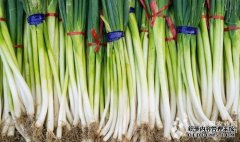
Scallion Prices Buck the Trend, Nicknamed "Forward Scallion"
Right now, prices of various winter vegetables are fairly stable, but scallions have stood out from the crowd, carving out a soaring path as the "forward scallion." As the weather gradually turns colder, scallions are one of the indispensable side vegetables on the winter dining table. In most parts of northern China, people still keep
-
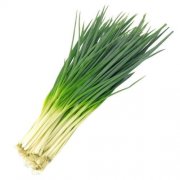
What nutritional value does scallion have? The difference between scallion and Welsh onion, and their nutritional components
Many people think scallion is Welsh onion, but actually it is not; there is a difference between the two. Do you know what nutritional value scallion has? Let's take a look together. Scallion contains nutrients such as calcium, vitamin C, carotene, and dietary fiber. 100 grams of scallion
-

How to Grow Scallions from Seed? Detailed Guide to Sowing Methods and Precautions
Scallion, also known as shallot, is a common vegetable in southern regions, mainly used for seasoning or removing fishy smells. Because it is cold-tolerant and heat-tolerant, it is very easy to grow. So how do you grow scallions from seed? 1. Planting time: Scallions are best planted in spring, and they can germinate normally at 13°C-20°C
-
How to Grow Scallions: Detailed Guide to Planting Methods and Timing
Summary Planting time: sow in spring from March to April, or in autumn from September to October. Site selection and soil preparation: plant in soil with good water and fertilizer retention; apply about 1500 jin of farmyard manure and about 120 jin of NPK compound fertilizer per mu. Seed selection and treatment: choose high-quality vari
-
What fertilizer makes small scallions grow fast? Planting methods and precautions
Surely everyone is familiar with small scallions; small scallions are a fairly common cooking ingredient at home. Many friends who like to eat small scallions do not want the hassle of running to the vegetable market or supermarket, so they started growing small scallions on their home balcony. Everyone says that doing it yourself brings abundant food and clothing.
-
How to Grow Scallions? Planting Methods and Precautions Explained at Once
Scallions look bright green and smell very fresh and fragrant. They can be bought in every season, so they are one of the more common seasoning ingredients in the kitchen. If you need to use some in daily life, going out to buy them is rather troublesome. It would be better to grow some at home, so how
-
What are the control methods for grub pests in Welsh onion?
Welsh onion is a type of scallion, belonging to the genus Allium in the lily family. It is the stem and leaves of the perennial herbaceous plant scallion, with green scallion leaves on the upper part and white scallion stalks on the lower part. It can be divided into four types: common Welsh onion, bunching onion, shallot, and proliferous onion. Zhangqiu in Shandong is China's largest Welsh onion planting, ⟦4 <p>Welsh onion is a type of scallion, belonging to the genus Allium in the lily family. It is the stem and leaves of the perennial herbaceous plant scallion, with green scallion leaves on the upper part and white scallion stalks on the lower part. It can be divided into four types: common Welsh onion, bunching onion, shallot, and proliferous onion. Zhangqiu in Shandong is China's largest base for Welsh onion planting, processing, and export, and currently mainly grows Japanese varieties of Welsh onion. Welsh onion is pungent in taste and slightly warm in nature, with the effects of inducing sweating and unblocking yang, and detoxifying and flavoring. It is mainly used for wind-cold common cold, aversion to cold with fever, headache and nasal congestion, cold pain in the abdomen, dysentery and diarrhea, internal obstruction from parasitic accumulation, insufficient lactation, and difficult urination and defecation. Welsh onion contains volatile oil, the main component of which is allicin, and also contains diallyl sulfide and calcium oxalate. In addition, it also contains fat, carbohydrates, carotene, vitamins B and C, niacin, calcium, magnesium, iron, and other components.</p><p></p><p>Scallion has the effects of benefiting the lungs and unblocking yang, inducing sweating and releasing the exterior, promoting lactation and stopping bleeding, and relieving pain and healing injuries. It is used for dysentery, abdominal pain, arthritis, constipation, and other conditions. Scallion has a unique spicy aroma, derived from the volatile sulfur compound scallionin, which can stimulate the secretion of saliva and gastric juice and increase appetite. The malic acid and phosphoric acid sugars contained in scallion can excite the nerves, improve and promote circulation, and release the exterior and clear heat. Eating scallion regularly can reduce the accumulation of cholesterol on blood vessel walls.</p><p>Its nutritional benefits cannot be fully described in just a few words. It can be said that Welsh onion has many dietary therapeutic effects. Eating Welsh onion or chives 3 times a week, whether stir-fried, served cold, or used as a seasoning, can achieve the effect of tonifying yang and nourishing yin. Tonifying yang and nourishing yin: the various vitamins in Welsh onion can ensure normal secretion of human hormones and can also effectively stimulate libido, thereby “tonifying yang and nourishing yin.”</p><p>Detoxifying and flavoring: Welsh onion is pungent in taste and slightly warm in nature, with the effects of inducing sweating and unblocking yang, and detoxifying and flavoring. It is mainly used for wind-cold common cold, cold pain in the abdomen, aversion to cold with fever, headache and nasal congestion, insufficient lactation, and difficult defecation. Welsh onion contains volatile oil, the main component of which is allicin, and also contains diallyl sulfide and calcium oxalate. In addition, it also contains fat, carbohydrates, carotene, vitamins, niacin, calcium, magnesium, iron, and other components.</p><p>Inducing sweating and inhibiting bacteria: Welsh onion can stimulate the body's sweat glands to achieve the effect of inducing sweating and dispersing heat; scallion oil can stimulate the upper respiratory tract and make sticky phlegm easier to cough up. The allicin contained in scallion has a clear effect against bacteria and viruses, especially stronger inhibitory effects on Shigella dysenteriae and skin fungi.</p><p>Preventing cancer: the pectin contained in chives can significantly reduce the occurrence of colon cancer and has an anti-cancer effect. The allicin in scallion can also inhibit the growth of cancer cells; scallion also contains the trace element selenium, which can reduce the nitrite content in gastric juice and has a certain effect on preventing gastric cancer and multiple types of cancer.</p><p>Control of the Welsh onion pest grubs</p><p>Grubs are important underground pests. They have large heads, brown or yellow, with a few black, so farmers call them big-head worms. Their bodies are smooth and wrinkled, generally white, with legs, and they can crawl, but they play dead; when touched, they curl into a “C” shape, commonly known as white soil silkworms. They live exclusively in the soil and damage the underground parts of plants. Grubs are the larvae of scarab beetles. In our province, the main species are the North China black scarab beetle and the copper-green scarab beetle, so grubs are a mixed population. From June to August each year, scarab beetles emerge from the soil to lay eggs. Because most grubs overwinter and survive, after years of accumulation, there is a peak of damage in autumn. When the winter temperature drops to about 8 degrees, grubs burrow deep into the ground, and rise again to cause damage the following spring.</p><p>In the face of severe pest outbreaks, comprehensive measures should be taken to control grubs:</p><p>1. Set up insect-killing lamps in concentrated planting areas, turn on the lamps at night from June to August to trap and kill scarab beetles and reduce egg-laying.</p><p>2. After harvesting Welsh onion, plow the soil deeply to mechanically kill some grubs.</p><p>3. Chemical control: use 500 milliliters of 48% Lorsban emulsifiable concentrate per mu, or use phoxim. Because 48% Lorsban remains in the soil for a relatively long time, it has good control efficacy against underground pests. It can be mixed into medicated soil and spread along the rows, then watered, or poured into the soil with irrigation water. Note: it is strictly prohibited to use highly toxic methamidophos, 1605, and others.</p>
-
Are onion and scallion head the same vegetable? Explained clearly in one go
Onion is an ingredient often eaten in everyday life, sweet with a slight pungency, so are onion and scallion head the same dish? 1. Are onion and scallion head the same dish? Onion and scallion head are one plant, and people in some regions also call onion "scallion head". Onion is a lily
-
What are the key points of Shandong scallion cultivation techniques?
Scallion, also known as green onion or shicai, is one of the ingredients commonly used in cooking. It is currently planted more in the north, and Shandong is where it is grown the most. Below is an introduction to the cultivation techniques for Shandong scallions. What are the Shandong scallion cultivation techniques? 1. Choosing the site and selecting seeds Choose a plot with good drainage
条件筛选